Why Prostate Health Matters After 40
Turning 40 is a milestone—careers flourish, families grow, and life often feels more settled. But it’s also when men need to start paying closer attention to their health, especially their prostate. The prostate, a small gland that plays a big role in male reproductive health, often becomes a source of concern as men age. Issues like benign prostatic hyperplasia (BPH), prostatitis, or even prostate cancer can arise, making proactive care essential.
What Happens to the Prostate After 40?
After 40, hormonal changes, particularly shifts in testosterone and dihydrotestosterone (DHT), can cause the prostate to enlarge. This is called benign prostatic hyperplasia (BPH), and while it’s non-cancerous, it can lead to frustrating symptoms like frequent urination, weak urine flow, or discomfort. Additionally, inflammation (prostatitis) or abnormal cell growth (prostate cancer) can develop, making early detection and prevention crucial.
5 Actionable Tips to Support Prostate Health
Taking charge of your prostate health doesn’t have to be complicated. Here are five practical steps to keep your prostate in top shape:
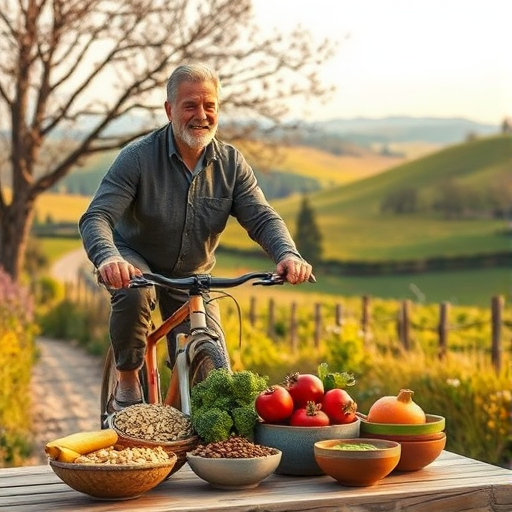
1. Eat a Prostate-Friendly Diet
What you eat directly impacts prostate health. Focus on:
- Tomatoes: Rich in lycopene, a powerful antioxidant linked to prostate protection.
- Leafy greens: Spinach, kale, and broccoli reduce inflammation.
- Healthy fats: Omega-3s from fish like salmon or flaxseeds support cellular health.
- Limit red meat and dairy: High consumption may increase prostate cancer risk.
2. Stay Active
Exercise isn’t just for your heart—it benefits your prostate too. Regular physical activity (even 30 minutes of walking daily) improves circulation, reduces inflammation, and helps maintain a healthy weight, lowering BPH risk.
3. Schedule Regular Check-Ups
Early detection saves lives. Men over 40 should discuss prostate screenings with their doctor, including:
- PSA blood tests (prostate-specific antigen)
- Digital rectal exams (DREs)
These tests can catch issues before symptoms appear.
4. Stay Hydrated (But Time It Right)
Drinking plenty of water flushes toxins, but avoid excessive fluids before bed if you experience nighttime urination. Cut back on caffeine and alcohol, which can irritate the bladder.
5. Consider Supplements
Certain supplements support prostate health, such as:
- Saw palmetto: May ease BPH symptoms.
- Zinc: Essential for prostate function.
- Vitamin D: Low levels are linked to higher prostate cancer risk.
Always consult your doctor before starting new supplements.
Common Prostate Problems to Watch For
Knowing the signs of prostate issues can help you act fast. Here’s what to look for:
Benign Prostatic Hyperplasia (BPH)
Symptoms: Frequent urination, weak stream, difficulty starting/stopping urine flow, feeling of incomplete bladder emptying.
Prostatitis
Symptoms: Pelvic pain, burning during urination, flu-like symptoms (if bacterial).
Prostate Cancer
Symptoms: Often silent early on, but advanced cases may cause blood in urine, bone pain, or erectile dysfunction. Screenings are critical.
Myths vs. Facts About Prostate Health
Let’s bust some common misconceptions:
Myth: “Only older men need to worry about their prostate.”
Fact: While risk increases with age, men in their 40s can develop prostate issues. Early prevention matters.
Myth: “Prostate problems always lead to cancer.”
Fact: BPH and prostatitis are common and non-cancerous. Regular check-ups help distinguish between conditions.
Myth: “If I feel fine, my prostate is healthy.”
Fact: Prostate cancer often has no early symptoms. Don’t wait for warning signs—get screened.
Take Charge of Your Prostate Health Today
Your 40s and beyond should be vibrant and active—not sidelined by preventable health issues. By adopting a prostate-friendly lifestyle, staying vigilant with screenings, and addressing concerns early, you can protect this vital gland and enjoy life to the fullest.
Ready to prioritize your health? Explore personalized wellness plans and expert guidance at FitLife Solutions. Your future self will thank you!