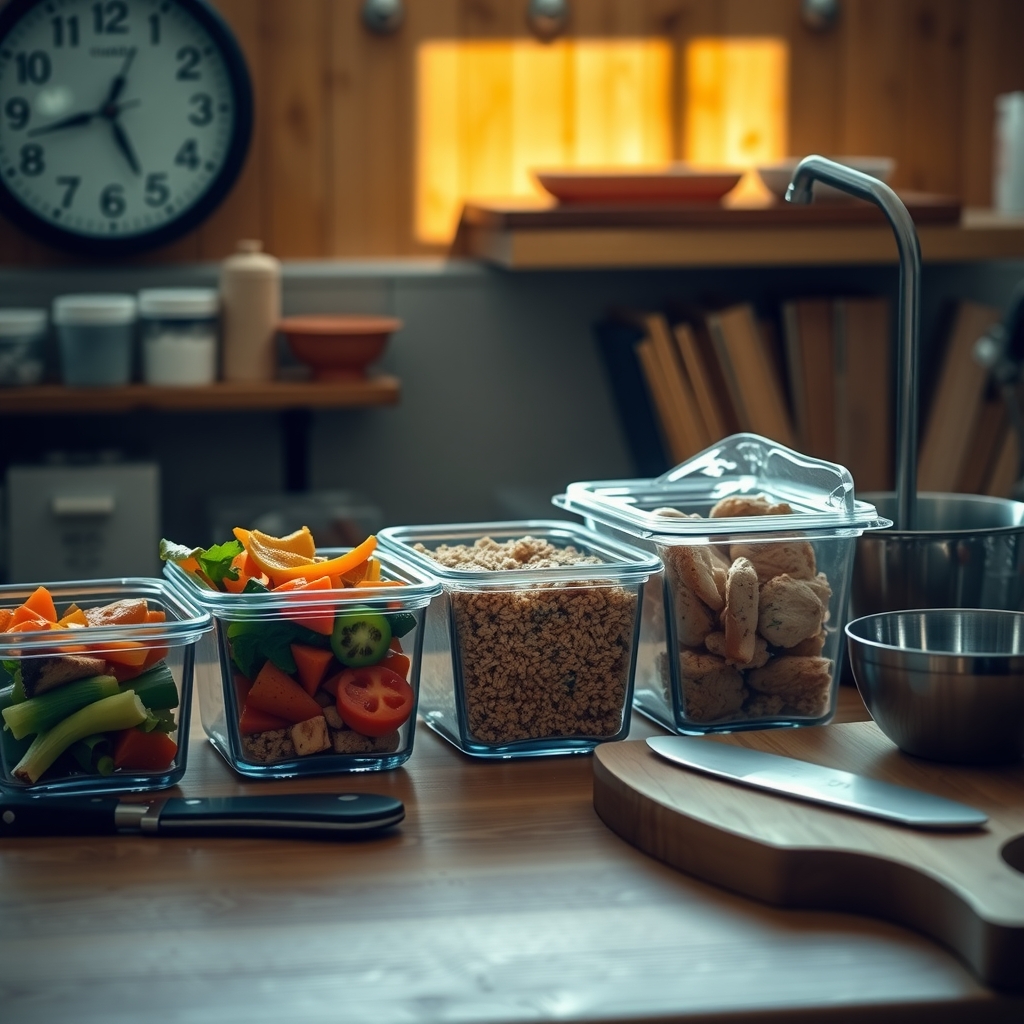
If you open the fridge on a Tuesday evening and wonder what to eat — or find yourself ordering takeout because nothing is ready — this guide is for you. It is written for busy professionals, parents, students, and anyone who wants home-cooked meals without spending every night at the stove. You do not need fancy equipment, advanced knife skills, or a pantry full of obscure ingredients.
By the end of this article you will be able to:
- Plan a week of balanced meals in about 15 minutes
- Shop once with a focused list that prevents waste
- Cook proteins, grains, and vegetables in parallel so the active work fits into a two-hour window
- Portion food into containers that keep flavors fresh and portions sensible
- Run a quick Sunday reset that keeps the system running smoothly week after week
The steps are modular, so you can adopt the whole routine or borrow the pieces that fit your schedule. Many people find that a small upfront investment of time pays off in calmer evenings and better meals all week. If you have specific dietary needs or health conditions, check with a doctor or registered dietitian before making major changes to your eating pattern.
Audit Your Kitchen Inventory Before Shopping
Before you write a grocery list, open the fridge, freezer, and pantry and take a real look at what is already there. This five-minute audit stops you from buying a third jar of tahini or letting a bag of spinach turn to slime in the crisper. Pull everything forward so you can see labels and dates. Toss anything that is clearly past its prime, then group the rest into loose categories: proteins, grains and starches, vegetables, fruits, sauces and condiments, and snacks. A notepad or the notes app on your phone works fine for capturing the snapshot.
- Proteins: canned beans, lentils, eggs, tofu, chicken breasts, ground turkey, frozen shrimp
- Grains and starches: rice, quinoa, oats, pasta, potatoes, tortillas
- Vegetables: onions, carrots, bell peppers, broccoli, frozen peas, salad greens
- Fruits: apples, berries, lemons, frozen mango
- Sauces and condiments: soy sauce, hot sauce, mustard, olive oil, vinegar, tomato paste
- Snacks and extras: nuts, seeds, hummus, cheese, yogurt
Note quantities that are running low and anything that needs to be used in the next day or two. Those soon-to-expire items become the anchor for your first few meals, which reduces waste and shrinks the shopping list. Many people find that seeing the full picture sparks meal ideas they would not have considered otherwise, like turning leftover roasted vegetables and a half-can of chickpeas into a quick frittata or grain bowl. Keep the list handy while you plan the menu; it is the reference point that keeps the rest of the routine grounded in reality rather than aspiration.
Design a Modular Menu Using Core Ingredients
Start by choosing three to four core ingredients that can stretch across multiple meals without feeling repetitive. A batch of brown rice, a tray of roasted chicken thighs, a pot of lentils, and a sheet pan of seasonal vegetables give you a foundation that works for grain bowls, wraps, salads, and stir-fries. Pick ingredients you genuinely enjoy and that store well for several days. Many people find that building around a neutral grain, a versatile protein, and two vegetable preparations keeps decision fatigue low while still offering variety.
Next, map each core ingredient to at least three distinct meal formats. The rice might become a burrito bowl base on Monday, a fried rice stir-fry on Wednesday, and a stuffed pepper filling on Friday. The chicken can be shredded for tacos, sliced over greens, or tossed into a quick curry sauce. Roasted vegetables serve as a side, get blended into a soup, or fold into a frittata. This modular approach means you cook once but eat differently each time.
- Choose one whole grain or starch that reheats well
- Select one animal or plant protein that holds texture
- Prep two vegetable methods: one roasted, one raw or quick-sauté
- Add a sauce or dressing that ties everything together
Keep a running list of flavor profiles you like — Mexican, Mediterranean, Asian-inspired — so you can rotate cuisines without new recipes. When you shop, buy ingredients that serve multiple profiles; cilantro, lime, garlic, and cumin work across several. This system reduces waste, shortens your grocery list, and makes assembly feel automatic rather than inventive every night.
Batch-Cook Proteins and Grains in Parallel
Start your timer the moment the first pot hits the stove. While a large pot of water comes to a boil for grains — rice, quinoa, farro, or barley — heat a sheet pan in a 425°F oven and arrange seasoned chicken thighs, tofu slabs, or salmon portions on parchment. Most proteins finish in 20 to 25 minutes, which aligns neatly with the simmer time for heartier grains. If you prefer stovetop proteins, sear ground turkey or tempeh in a wide skillet while the grains absorb their liquid; stir once, cover, and let both cook unattended.
Use the overlap to minimize active work. Rinse grains in a fine-mesh sieve before adding them to salted boiling water, then set a timer so you can walk away. Pat proteins dry before seasoning — moisture prevents browning. A simple rub of salt, pepper, garlic powder, and smoked paprika works across many cuisines. For plant-based options, press tofu first, then cube or slice for even roasting.
- Cook two grains at once in separate pots if your menu calls for variety; one can be a quick-cook like couscous or bulgur.
- Reserve a cup of grain cooking liquid to thin sauces or reheat portions later without drying out.
- Let proteins rest five minutes before slicing; this keeps juices inside and makes portioning cleaner.
While everything cooks, wipe counters, load the dishwasher, and pull out storage containers. The goal is zero idle minutes — when the timer chimes, you portion, cool, and move to the next step. Many people find this parallel rhythm cuts their active cooking time nearly in half compared to sequential methods.
Prep Vegetables for Raw, Roasted, and Stir-Fry Uses
Wash and dry all your produce in one go, then sort it by cooking method so you only handle each vegetable once. Start with the sturdy roots and crucifers — carrots, broccoli, cauliflower, sweet potatoes, Brussels sprouts — that will roast beautifully. Toss them with a little oil, salt, and any spices you like, spread them on two sheet pans, and slide them into the oven while your proteins and grains finish. They need almost no attention beyond a halfway stir.
While the oven runs, turn to the vegetables you’ll eat raw or barely cooked. Slice cucumbers, bell peppers, radishes, and cherry tomatoes into snack-ready pieces. Shred cabbage or kale for slaws that actually improve after a day in the fridge. Store these in airtight containers with a dry paper towel to absorb excess moisture; they’ll stay crisp for five to six days.
For stir-fry and quick sauté batches, julienne carrots, slice onions, cut snap peas on the bias, and dice zucchini into half-moons. Keep each shape in its own container or bag so you can grab exactly what a recipe calls for without re-chopping. Aromatics like garlic, ginger, and scallions can be minced in bulk and frozen in a thin layer inside a zip-top bag — break off what you need straight from the freezer.
Leafy greens deserve a separate rinse-and-spin cycle. Spinach, arugula, and mixed lettuces go into large containers lined with towels; they’ll be ready for salads, grain bowls, or a last-minute handful tossed into hot pasta.
- Roast tray: roots, crucifers, squash — high heat, hands-off
- Raw bin: cucumber, pepper, tomato, shredded slaw base — dry storage
- Stir-fry kit: julienne, dice, bias cuts — uniform size for even cooking
- Aromatics pack: minced garlic, ginger, scallions — frozen flat
- Greens tub: washed, spun, towel-lined — salad-ready all week
This three-track system means every vegetable has a clear destination, and you never wonder what to do with that half-head of cabbage on Wednesday.
Assemble Grab-and-Go Containers with Portion Logic
Start with clean containers laid out on the counter in a grid so you can see every compartment at once. Choose a base grain or starch for each meal — rice, quinoa, farro, or roasted sweet potato — and portion it first using a consistent measure like a half-cup scoop. This creates a visual anchor and keeps portions even without weighing. Next, add your cooked protein: shredded chicken, baked tofu, lentils, or ground turkey. Aim for a portion roughly the size of your palm, adjusting up or down based on your appetite and activity level. Many people find this hand-based method easier than counting grams and just as reliable for day-to-day consistency.
Now layer in vegetables. Reserve one compartment for raw crunch — sliced cucumber, bell pepper strips, or cherry tomatoes — and another for roasted or sautéed veg like broccoli, carrots, or zucchini. Keeping textures separate prevents sogginess and lets you reheat only what needs warmth. Drizzle a spoonful of sauce or dressing into a small leak-proof cup or the corner of the container: tahini-lemon, ginger-soy, or a simple vinaigrette. This keeps flavors bright and avoids dressing fatigue.
- Use identical containers so lids interchange and stacking stays neat
- Label with meal type or day if it helps your flow
- Leave one container partially empty for leftovers or a weekend flex meal
Seal, stack, and refrigerate. You’ve just turned a pile of components into a week of ready meals.
Create a 15-Minute Sunday Reset Ritual
Think of the Sunday reset as the hinge that keeps the whole week swinging smoothly. You have already cooked proteins, grains, and vegetables, and portioned them into containers. Now spend fifteen focused minutes turning those components into a system you can trust when Monday morning feels rushed. Start by pulling every container from the fridge and lining them up on the counter. Check each one for a tight seal, a clear label, and a logical pairing — protein beside grain, roasted vegetables next to raw snacks. If something looks low, move it to the front so it gets eaten first.
- Wipe the fridge shelves where the containers sit; a clean surface prevents mystery spills later.
- Review the calendar for the next five days and flag any late meetings, travel, or social meals that will change how many portions you actually need.
- Shift extra servings into the freezer in single-serve bags labeled with the date and contents.
- Set out breakfast jars or overnight oats for the first three mornings so the only decision at 6 a.m. is which spoon to grab.
- Place a sticky note on the fridge with the one dinner that needs fresh assembly — tacos, grain bowls, stir-fry — so the mental load stays light.
Finish by emptying the sink, starting the dishwasher, and taking a quick inventory of snacks, fruit, and condiments that might need restocking midweek. Many people find this short ritual reduces decision fatigue and food waste without adding pressure. Adjust the timing to fit your rhythm; the goal is a calm handoff to Monday, not another rigid rule.
Troubleshoot Common Time Traps and Adjust Weekly
Even a streamlined system hits snags. The most common trap is decision fatigue creeping in midweek when a planned meal no longer sounds appealing. Keep a short backup list of three no-cook assemblies — canned beans with pre-washed greens and a vinaigrette, hummus wraps with sliced cucumber, or yogurt bowls with frozen berries and nuts — so you can pivot without ordering takeout.
Another time sink is washing up as you go. If the sink fills fast, designate one large bowl for vegetable scraps and another for used utensils; empty both only once, right before the final container assembly. When roasting pans stack up, line them with parchment or foil to cut scrubbing to a quick rinse.
Over-prepping delicate items wastes effort. Dressed leafy greens, cut avocado, and fresh herbs degrade in two days. Prep those components on the day you’ll eat them, or store dressings and toppings in tiny separate jars and combine at meal time.
Portion drift happens when hunger levels shift. If containers consistently come back half-full or you’re raiding the pantry by 3 p.m., adjust the protein-to-vegetable ratio or add a denser carb like roasted sweet potato next week. Track the pattern for one cycle with a sticky note on the fridge; no app required.
- Swap a repetitive protein for a new marinade instead of a new recipe
- Consolidate two similar chopping tasks into one session
- Move the Sunday reset to Saturday evening if Sunday fills up
- Freeze extra cooked grains in portion bags for future weeks
Treat each week as a test batch. Small tweaks keep the routine sustainable without starting from scratch.
Putting It Together
Start your first week by picking a calm Sunday evening. Pull out the inventory list you made, choose three core ingredients you already have, and build a simple modular menu around them — maybe chicken, rice, and broccoli. Write the shopping list for only what is missing, keeping it under 20 items. Shop Monday after work or Tuesday morning when the store is quiet. When you get home, wash and chop vegetables for raw snacks, roasting trays, and stir-fry bags while the oven heats. Roast one tray of vegetables and cook a big pot of rice at the same time. While those finish, sear or bake your protein in two batches. Let everything cool on the counter for 20 minutes, then portion into containers using your hand as a guide: a palm of protein, a fist of grain, two handfuls of vegetables, a thumb of fat. Store sauces separately. Monday through Wednesday, grab a container and add fresh greens or fruit. Thursday, do a quick midweek check: toss anything limp, move a backup meal forward, and prep one fresh vegetable tray if needed. Friday, assess what worked and adjust next week's menu by swapping just one protein or grain. Many people find this rhythm settles in after two cycles.
More from the blog
- How to Structure a Weekly Walking Plan That Builds Endurance Safely
- How to Build a Balanced Weekly Workout Schedule Using Only Bodyweight Exercises
- How to Stretch Your Hamstrings Safely After Sitting All Day
From FitLife Solutions
Browse all our practical health and fitness guides at fitlifesolutions.site.
New practical health guides and articles on WhatsApp: follow our channel.
Earn by sharing our books with your audience: join our affiliate channel on Telegram for one ready-to-post book a day.
This article is for general information only and is not a substitute for professional medical advice. Talk to your doctor or another qualified health professional before changing your diet, exercise or health routine, especially if you have a medical condition or take medication.