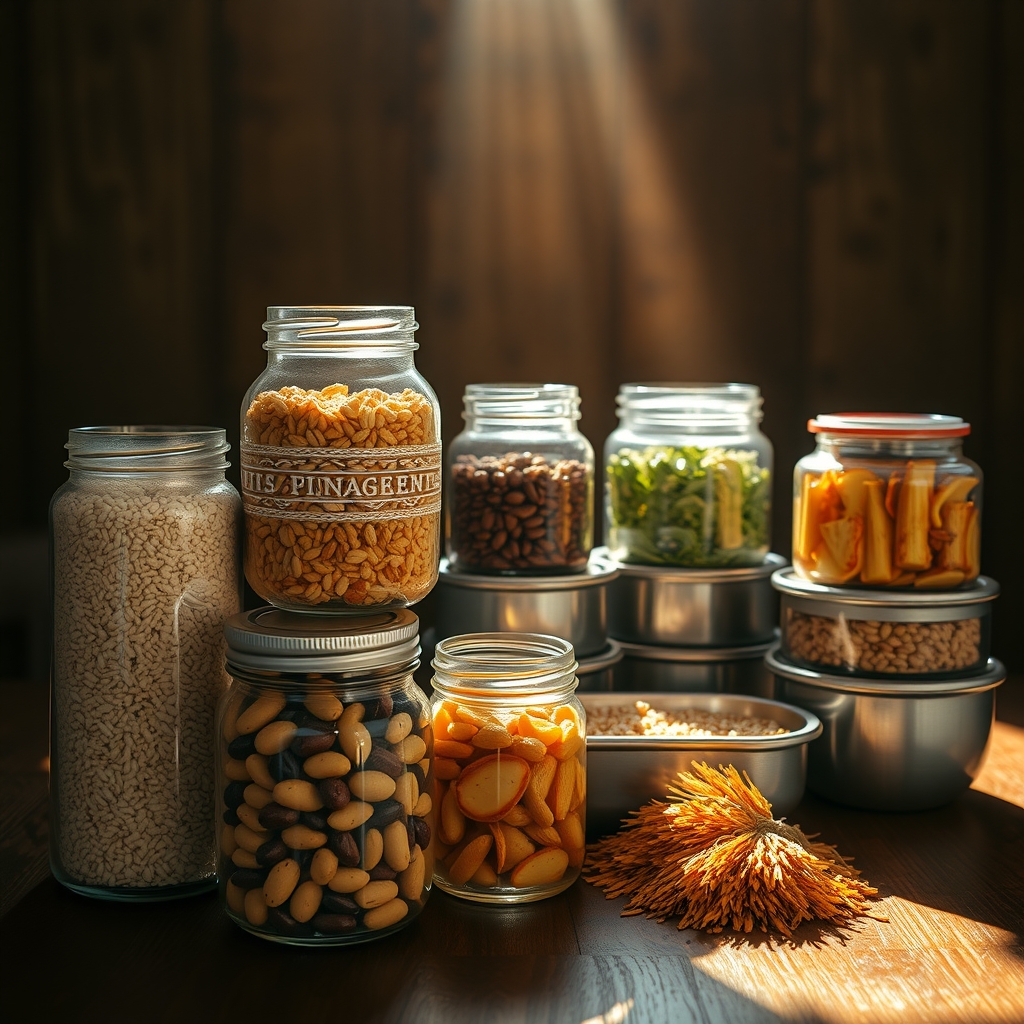
This guide is for anyone who wants weekday meals ready without spending every evening cooking or buying expensive specialty ingredients. It walks through planning a simple menu, prepping staples, storing food safely, and reheating it through the week.
By the end, you will be able to prep breakfast burritos, breakfast sandwiches, sweet potatoes, chicken breast, and smoothie components ahead of time, then assemble them into quick meals on busy mornings and evenings. You will also learn what to do if food tastes dry, containers leak, or your schedule changes midweek.
- Cook once and eat several times during the week
- Store prepped food so it stays safe and tastes good
- Swap ingredients based on what you already have
If you have a medical condition that affects what you can eat, check with a doctor before making big changes to your meals.
Meal Prep Basics: Planning, Storage, and Weekly Workflow
Start by writing down three dinners and three breakfasts you want to eat next week. Choose recipes that share ingredients so you buy less and waste less. For example, if you roast sweet potatoes on Sunday, you can use them in breakfast burritos and as a side for chicken dinners. Make a short grocery list organized by store section, then shop once.
Set aside one block of time, usually two to three hours on a weekend day, for cooking and packing. Begin with foods that take longest, such as chicken breasts or roasted vegetables, then move to quicker items while they cook. Cool cooked food before sealing containers, and store meals in the refrigerator if you will eat them within four days. Freeze anything meant for later in the week.
Use clear, airtight containers so you can see what is inside. Label lids with the dish name and date. Keep raw meat on the bottom shelf of the fridge to prevent drips onto other foods. Reheat leftovers until steaming hot throughout, and do not leave cooked food at room temperature for more than two hours.
If something goes wrong, stay flexible. Overcooked chicken can be chopped into salads or soups. Mushy sweet potatoes mash well for breakfast bowls. If you run out of time, prep just one component, such as cooked grains or chopped vegetables, and assemble meals fresh during the week. Many people find that a simple, repeatable routine makes weekday eating easier and less stressful. If you have food allergies, medical conditions, or concerns about safe food storage, check with a doctor or a qualified healthcare professional.
How to Meal Prep Breakfast Burritos for the Week
Cook breakfast burritos on Sunday so weekday mornings only require reheating. Start with eight large flour tortillas, twelve eggs, one cup of black beans rinsed and drained, one cup of cooked rice, and one cup of shredded cheese. Add any pantry vegetables you have, such as diced peppers, onions, or frozen corn.
Scramble the eggs in a large skillet over medium heat until just set, then remove them. Warm the beans and rice together in the same pan, seasoning with cumin, salt, and pepper if you like. Lay each tortilla flat and add a portion of eggs, bean and rice mixture, and cheese. Roll tightly, folding in the sides as you go.
Wrap each burrito in parchment paper, then place it in a freezer bag or airtight container. Label with the date and store in the freezer for up to three months or in the refrigerator for up to four days. To reheat, remove the parchment, wrap in a damp paper towel, and microwave for one to two minutes, flipping halfway. If the tortilla tears, roll it in a fresh tortilla or eat it open faced with a fork. Many people find that adding salsa or hot sauce after reheating keeps the flavor bright. Check with a doctor if you have concerns about egg or dairy intake.
How to Meal Prep Breakfast Sandwiches for the Week
Start with sturdy English muffins or whole grain toast because they hold up to reheating better than soft sandwich bread. Cook eggs in a large nonstick skillet or bake them in a muffin tin so you can portion them quickly. Add a slice of cheese and a precooked protein such as turkey sausage, ham, or a veggie patty if you want extra substance.
Assemble each sandwich on a cooling rack so the bottom does not get soggy. Wrap each one individually in parchment paper, then place the wrapped sandwiches in a freezer bag or airtight container. Label with the date and use within three months for best quality. In the morning, unwrap one sandwich, place it on a microwave-safe plate, and heat for about one to two minutes, flipping halfway. If the egg looks rubbery, reduce the time next time or lower the power setting.
If bread gets soggy, toast it lightly before assembling or store the toasted base separately and assemble fresh in the morning. If cheese sticks to the wrapper, let the sandwich cool completely before wrapping or use a slice of parchment between the cheese and the paper. Many people find that prepping a batch on Sunday makes weekday mornings feel less rushed, but check with a doctor if you have specific dietary concerns or food allergies.
How to Meal Prep Sweet Potatoes for the Week
Sweet potatoes keep well in the fridge for several days, which makes them a smart base for weekday breakfasts, lunches, and side dishes. Start by choosing firm sweet potatoes without soft spots or sprouts. Wash and dry them, then pierce each one a few times with a fork so steam can escape.
Roast them whole on a sheet pan at 400 degrees Fahrenheit until a knife slides in easily, usually 45 to 60 minutes depending on size. Let them cool completely before peeling and slicing into rounds, cubes, or wedges. Store in airtight containers in the refrigerator for up to five days. For faster reheating, cut them into uniform pieces before storing so they warm evenly in a skillet or microwave.
If you prefer mashed sweet potatoes, peel and boil cubed potatoes until tender, drain, mash with a little butter or oil, and cool before portioning into containers. Reheat with a splash of water or milk if the texture tightens in the fridge.
Use prepped sweet potatoes in breakfast hash with eggs, as a side for chicken or beans, or blended into oatmeal. If they taste dry after reheating, toss them with a teaspoon of oil or a squeeze of lemon juice before serving. If they develop an off smell or slimy texture, discard them. If you have any medical conditions that affect how you handle carbohydrates or food safety, check with a doctor before making major changes to your routine.
If you want this in more depth, our book Healthy Lunchbox Recipes: Practical Meal Prep for Busy Adults covers it step by step.
How to Meal Prep Chicken Breast for the Week
Cooking chicken breast in bulk is one of the easiest ways to have ready-to-eat protein for lunches and dinners. Start with two to three pounds of boneless skinless chicken breasts. Pat them dry with paper towels and season simply with salt, pepper, and any dried herbs you already have, such as garlic powder, paprika, or Italian seasoning.
Preheat your oven to 400 degrees Fahrenheit. Place the breasts on a rimmed baking sheet lined with parchment foil or a silicone mat, leaving space between pieces. Bake for 18 to 22 minutes, or until the thickest part reaches 165 degrees Fahrenheit on an instant-read thermometer. Let the chicken rest for five minutes before slicing or shredding.
If you prefer the stovetop, heat a skillet over medium heat with a little oil. Cook the breasts for about six to seven minutes per side, then cover and cook a few more minutes until done. Slicing breasts in half horizontally before cooking helps them cook faster and more evenly.
Store cooked chicken in airtight containers in the refrigerator for up to four days. For longer storage, portion cooled chicken into freezer bags or containers and freeze for up to three months. Thaw overnight in the refrigerator before reheating.
If the chicken turns out dry, slice it thin and toss with a little broth, olive oil, or your favorite sauce before reheating. Use prepped chicken in grain bowls, salads, wraps, tacos, or stirred into soups. Many people find that cooking once and eating several times makes weekday meals feel less rushed. Check with a doctor if you have questions about food safety or dietary needs.
How to Meal Prep Smoothies for the Week
Smoothies are one of the fastest ways to prep breakfast or snacks for several days. The trick is to prep the solid ingredients ahead of time rather than blending everything on Sunday, which can cause separation and off flavors by Thursday.
Start with freezer-safe bags or containers. For each smoothie, portion out one cup of frozen fruit such as berries, mango chunks, or sliced banana, plus a handful of spinach or kale if you like greens. Add a spoonful of nut butter, a few oats, or chia seeds if you want more staying power. Seal the bag, label it with the contents, and freeze flat. When you are ready to blend, dump one bag into the blender, add liquid to cover, and blend until smooth.
For liquid, keep shelf-stable options like almond, oat, or dairy milk in the pantry, and pour it fresh each morning. If you prefer to prep fully blended smoothies, fill airtight bottles leaving an inch of headspace, refrigerate for up to two days, and shake well before drinking. Separation is normal and not a sign of spoilage.
If your smoothie tastes bland, add a squeeze of lemon, a pinch of cinnamon, or a date. If it is too thick, add more liquid; too thin, add more frozen fruit or a spoonful of yogurt. Many people find that rotating two or three flavor combos keeps the week interesting without adding prep time. If you have any health conditions or take medication, check with a doctor before making major changes to your diet.
Building a Full Weekly Menu from Simple Pantry Staples
Start by choosing one protein, one starch, one vegetable, and one breakfast item you already have or can buy cheaply. Chicken breast, sweet potatoes, eggs, and a frozen vegetable make a reliable core. Cook the protein and starch in large batches on your prep day, then divide them into containers before adding sauces or toppings. This keeps textures from getting soggy and lets you change flavors through the week.
A simple weekly frame might look like this:
- Monday: breakfast burrito, chicken and sweet potato bowl with steamed broccoli
- Tuesday: breakfast sandwich, chicken and sweet potato bowl with frozen spinach
- Wednesday: smoothie, leftover chicken and sweet potato with canned beans
- Thursday: breakfast burrito, chicken and sweet potato with jarred salsa
- Friday: breakfast sandwich, chicken and sweet potato with a quick egg on top
Use pantry staples such as canned beans, jarred salsa, dried spices, rice, oats, and peanut butter to add variety without extra cooking. Rotate two or three sauces so the same base ingredients taste different each day. If a meal turns out too dry, stir in a spoonful of salsa, broth, or yogurt before reheating. If vegetables get soft, use them in a soup or mash them into the grain.
Keep breakfasts separate from lunches and dinners until you are ready to eat. Many people find that writing the menu on the fridge door removes decision fatigue on busy weeknights. If you have health conditions or take medication that affects your diet, check with a doctor before making major changes to what you eat regularly.
Putting It Together
Start with a Sunday afternoon block of about two hours. Cook your chicken breasts and roast your sweet potatoes while eggs and burrito fillings come together on the stove. Portion everything into containers while still warm, then let them cool before sealing and refrigerating. Blend smoothie packs into freezer bags so mornings only require a blender and liquid.
Keep the first week small. Prep breakfasts and lunches only, and leave dinners flexible. If chicken turns out dry, chop it and toss it with broth or salsa before reheating. If sweet potatoes get soft, mash them and use them as a base for bowls or burritos. If a container leaks or a bag tears, move the food to a clean container right away and use it within a day or two.
A simple first week might look like:
- Sunday: cook proteins and roast vegetables, assemble burritos and sandwiches, freeze smoothie packs
- Monday through Friday: grab breakfast and lunch from the fridge, blend a smoothie pack with water or milk
- Wednesday: check containers, eat anything nearing its date, and cook a fresh dinner if needed
Many people find that starting with just two or three repeat meals reduces decision fatigue without requiring a perfect system. If you have health conditions that affect what you can eat or store safely, check with a doctor before changing your routine. Adjust portions and timing to fit your own kitchen and schedule.
More from the blog
- How to Build a Weekly Meal Prep Routine That Takes Under Two Hours
- How to Build a Balanced Breakfast Bowl Using Oats, Yogurt, and Seasonal Fruit
- How to Build a Balanced Snack Plate Using Protein, Fiber, and Healthy Fats
From FitLife Solutions
Our book Healthy Lunchbox Recipes: Practical Meal Prep for Busy Adults goes further, as a digital eBook (PDF and EPUB) you can read on any device.
Browse all our practical health and fitness guides at fitlifesolutions.site.
New practical health guides and articles on WhatsApp: follow our channel.
Earn by sharing our books with your audience: join our affiliate channel on Telegram for one ready-to-post book a day.
This article is for general information only and is not a substitute for professional medical advice. Talk to your doctor or another qualified health professional before changing your diet, exercise or health routine, especially if you have a medical condition or take medication.