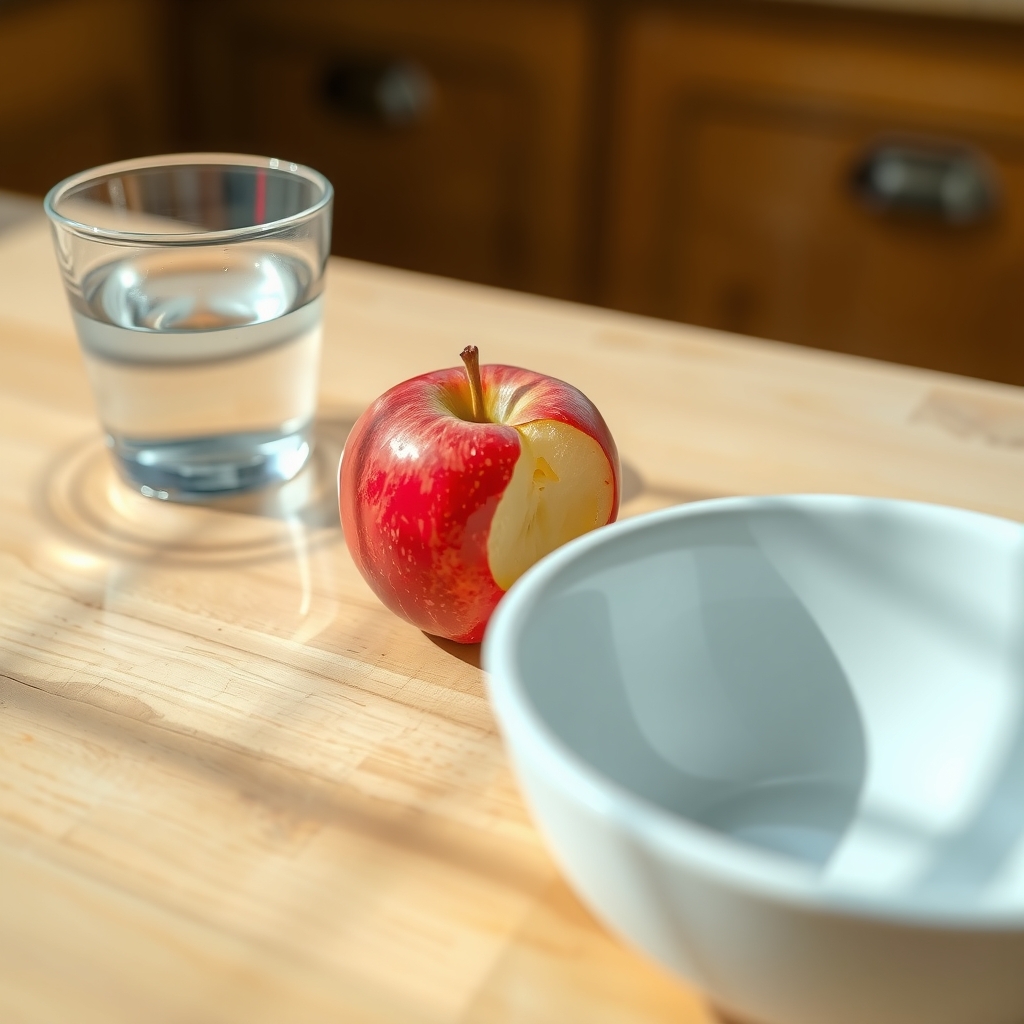
You finish dinner, clean the kitchen, and settle in for the evening. An hour later you are back in front of the fridge or pantry, not because your stomach is growling but because the habit feels automatic. This section is for anyone who recognizes that pattern — whether it shows up while scrolling on the couch, during a late work session, or in the quiet moments before bed — and wants practical ways to interrupt it without relying on willpower alone.
After reading, you will be able to:
- Spot the specific cues that launch your nighttime eating episodes
- Redesign your evening routine so the snacking loop has nowhere to hide
- Front-load nutrition earlier in the day so physical hunger isn’t masquerading as a craving
- Set up your kitchen and environment to make the unwanted choice harder and the better choice easier
- Use a simple pause technique when an urge hits so you can choose your response instead of reacting
- Address the emotions that often hide behind the reach for food
- Align sleep timing and light exposure to quiet the biological signals that mimic hunger
If an underlying medical condition or medication side effect could be driving appetite changes, check with your doctor before making major shifts.
Identify Your Nighttime Eating Triggers Beyond Physical Hunger
Start by treating the urge to snack after dinner as data, not a failure. For the next three to five evenings, keep a simple log on your phone or a notepad. Note the time, what you were doing, what you felt physically, and what you felt emotionally in the ten minutes before the craving hit. You are looking for patterns that have nothing to do with an empty stomach.
Common triggers hide in plain sight. Many people find they reach for food during specific transitions: closing the laptop, putting kids to bed, or starting a show. Others notice a pull toward the kitchen when they feel anxious about tomorrow’s to-do list, bored while scrolling, or lonely in a quiet house. Physical cues like dehydration or fatigue often masquerade as hunger. Write the context down without judgment.
- What activity were you doing? (watching TV, working, scrolling, reading)
- What emotion was present? (stress, boredom, loneliness, excitement, fatigue)
- What physical sensation did you notice? (tight chest, heavy eyelids, dry mouth, low energy)
- Where were you? (couch, desk, standing at the counter)
- What time was it?
After a few nights, review the log. Circle the two or three scenarios that show up most often. That shortlist becomes your target list for the strategies in the next sections. If you notice you only snack when you stay up past a certain hour or when you skip an afternoon snack, you have actionable information. If the log reveals you are eating large amounts rapidly, feeling out of control, or eating to numb intense distress, consider mentioning the pattern to a healthcare provider to rule out binge eating disorder or other medical factors.
Restructure Your Evening Routine to Break the Snacking Habit Loop
The habit loop of nighttime snacking usually follows a predictable cue: finishing dinner, settling on the couch, turning on a show, and reaching for food. To break it, you need a new routine that delivers a similar reward — relaxation or transition — without eating. Start by defining a clear "kitchen closed" ritual. After your last bite, put leftovers away, wash the dishes, wipe the counters, and turn off the kitchen light. This physical sequence signals to your brain that eating is done for the day.
Next, insert a deliberate buffer activity between the kitchen and the couch. Many people find that five to ten minutes of gentle stretching, a warm shower, or writing a quick to-do list for tomorrow creates enough separation to weaken the automatic urge to snack. If you typically watch TV, change your seat or your posture; sit on the floor with a cushion, use a blanket, or keep your hands busy with a fidget toy, knitting, or a puzzle app. The goal is to disrupt the motor memory of hand-to-mouth motion.
Set a specific "wind-down" alarm on your phone for 30 minutes before bed. When it goes off, dim the lights, put screens away, and do one calming thing: read a physical book, listen to a podcast, or practice box breathing. Consistency matters more than perfection. If you slip and snack one night, treat the next morning as a reset — drink a glass of water, eat a protein-rich breakfast, and recommit to the routine that evening.
Eat Balanced, Satisfying Meals During the Day to Prevent Night Cravings
Skipping meals or eating too little earlier in the day is one of the most common reasons cravings take over after dinner. When your body hasn’t received enough fuel — or the right mix of nutrients — it ramps up hunger signals in the evening to make up the deficit. Many people find that eating three balanced meals spaced roughly four to five hours apart keeps blood sugar steadier and reduces the urge to graze at night.
Aim to include protein, fiber, and healthy fat at each meal. Protein (eggs, Greek yogurt, tofu, chicken, beans) and fat (avocado, nuts, olive oil) slow digestion and increase satiety. Fiber from vegetables, fruit, whole grains, and legumes adds physical fullness and steadies glucose. A lunch of grilled salmon, quinoa, roasted broccoli, and a drizzle of tahini will likely keep you satisfied longer than a plain salad with low-fat dressing.
If you go more than five hours between meals, plan a purposeful snack — something with protein and fiber — rather than waiting until you’re ravenous. Examples: – Apple slices with two tablespoons of peanut butter – A hard-boiled egg and a handful of baby carrots – Plain cottage cheese with berries
Hydration matters too. Thirst can masquerade as hunger, so sip water throughout the day and have a glass with each meal. If you’ve been restricting calories aggressively, consider whether your intake is actually adequate for your activity level; many people find that a modest increase at breakfast and lunch eliminates nighttime urges entirely. If you have a medical condition that affects appetite or blood sugar, check with your doctor before making significant changes to your meal pattern.
Use Environmental Design to Make Nighttime Snacking Inconvenient
If you have to walk to the kitchen, open a cabinet, and unwrap something to snack, you have already made a series of small decisions that support the habit. Environmental design flips that script by adding friction to the unwanted behavior and removing friction from the alternative. Start with a quick audit: move trigger foods — chips, cookies, chocolate — to a high shelf, an opaque container in the back of the pantry, or out of the house entirely. Keep a bowl of washed fruit or pre-portioned nuts at eye level in the fridge instead. Many people find that simply not seeing the package reduces the urge before it starts.
Close the kitchen after dinner like a restaurant. Turn off the lights, push in the chairs, and put a physical barrier in place — a baby gate, a closed door, or even a "kitchen closed" sign on the counter. Brush your teeth immediately after your last bite; the mint flavor signals "done eating" to your brain and makes food taste less appealing. If you tend to graze while scrolling on the couch, charge your phone across the room and keep a book, knitting, or a puzzle where you usually sit. The goal is to make the old cue (couch + phone + hand free) lead to a new routine.
- Store tempting foods in opaque containers on high shelves or in a garage fridge
- Pre-portion allowed snacks into single servings so you cannot mindlessly eat the whole bag
- Keep a glass water bottle or herbal tea thermos on your nightstand to replace the hand-to-mouth motion
- Use a kitchen timer: set it for 20 minutes when a craving hits; often the urge passes while you wait
- Replace the snack bowl with a fidget object — stress ball, smooth stone, pen — during TV time
If you slip and eat anyway, note the specific cue (boredom at 9 p.m., leftovers visible on the counter) and adjust one barrier tomorrow. Small environmental tweaks compound over weeks.
If you want this in more depth, our book Healthy Snacking: Practical Choices for Everyday Nutrition covers it step by step.
Apply Urge Surfing and Mindful Pause Techniques When Cravings Hit
When a craving hits after dinner, the urge often feels like a command you must obey. Urge surfing changes that dynamic by treating the craving as a temporary wave you can watch rise and fall without acting on it. Start by noticing the physical sensation: tightness in your chest, a restless feeling in your hands, or a mental tug toward the kitchen. Name it silently — "urge present" — and set a timer for five minutes. During that window, stay where you are and breathe slowly, tracking the sensation as it shifts. Many people find the peak intensity passes well before the timer ends.
If five minutes feels too long, use a micro-pause instead. Put down your phone or remote, plant both feet on the floor, and take three deliberate breaths. Ask yourself, "What do I actually need right now?" The answer might be thirst, fatigue, or a need to transition out of work mode. Keep a glass of water or herbal tea within reach so hydration becomes the default first response.
- Notice the sensation without judgment
- Set a short timer or take three breaths
- Identify the underlying need
- Choose a non-food response: stretch, text a friend, write a quick to-do list for tomorrow
If you do snack after pausing, skip the guilt loop. Note what happened — "I ate while scrolling" — and use that data to adjust your environment or routine tomorrow. Consistency with the pause builds the muscle; perfection is not required. If nighttime eating feels compulsive or distressing, consider speaking with a healthcare provider or therapist who specializes in eating behaviors.
Address Emotional Drivers Like Stress, Boredom, and Loneliness Directly
Emotional eating at night often has little to do with food. When the day quiets down, unprocessed feelings — stress from work, the flatness of boredom, or the ache of loneliness — can surface quickly. Food becomes a reliable, immediate way to soothe or distract. The first step is naming the specific emotion before you reach for something to eat. Pause and ask: "What am I feeling right now?" If you can label it — "I'm anxious about tomorrow's meeting" or "I feel disconnected" — you create a gap between the urge and the action.
Build a small menu of non-food responses matched to each common driver. – For stress: a five-minute body scan, writing a quick priority list for tomorrow, or stepping outside for cold air. – For boredom: a puzzle app, a chapter of a book, stretching while listening to a podcast, or prepping clothes for the next day. – For loneliness: a voice note to a friend, writing a short journal entry, or playing a playlist that feels comforting.
Keep this list visible — on the fridge or your phone lock screen — so it’s easier to grab than a snack. Practice the alternative for just two minutes. Often the wave of urgency passes once you engage a different sensory channel.
If you still eat, skip the guilt spiral. Note what happened: "I felt lonely at 9:30 p.m. and ate cookies. Next time I’ll try the voice note first." Data beats shame. If emotional eating feels frequent, intense, or tied to past trauma, consider speaking with a therapist or your doctor; they can help you build deeper coping tools that food never could.
Align Sleep Hygiene and Circadian Rhythms to Reduce Late-Night Hunger Signals
Your body’s internal clock drives hunger hormones on a predictable rhythm, and when sleep timing drifts, those signals often show up as late‑night cravings rather than true energy needs. Aim to go to bed and wake up within the same 30‑minute window every day, even on weekends. This consistency keeps ghrelin and leptin — the hormones that tell you to eat and stop eating — on a steadier cycle, so the urge to snack after dinner may fade naturally.
Light exposure is the strongest cue for that clock. Get 10 to 15 minutes of bright outdoor light within an hour of waking; it anchors your circadian phase and supports melatonin release later. In the evening, dim overhead lights and switch screens to warm‑color modes at least 60 minutes before bed. If you must use a device, blue‑light‑blocking glasses can help, but the simplest fix is to put the phone in another room.
A wind‑down routine signals to your brain that eating time is over. Try a consistent sequence: herbal tea, gentle stretching or breathing, then reading a physical book under low light. Keep the bedroom cool (around 65‑68°F) and dark; blackout curtains or a sleep mask work well. Avoid caffeine after early afternoon and limit alcohol, since both fragment sleep and can trigger rebound hunger.
If you still wake hungry, a small protein‑rich bite — like a few almonds or a spoonful of Greek yogurt — can settle the stomach without derailing the routine. Persistent nighttime hunger despite these habits may warrant a conversation with a healthcare provider to rule out medical factors.
Putting It Together
Start with one small change each evening rather than overhauling everything at once. On night one, pick a consistent kitchen closing time and stick to it for seven days; brush your teeth right after to signal the shift. Night two, add a five-minute wind-down ritual — stretching, journaling, or a warm shower — before you sit on the couch. Night three, prep a balanced dinner with protein, fiber, and fat so you finish satisfied, not stuffed. Night four, move trigger foods to a high shelf or opaque container and place a glass water bottle at eye level. Night five, practice the pause: when an urge rises, set a timer for two minutes, notice the sensation, and decide whether you still want the snack. Night six, name the feeling underneath the craving — boredom, stress, loneliness — and try one non-food response: a short walk, a text to a friend, a few breaths. Night seven, review what felt doable and what didn’t, then keep the two or three habits that clicked. Progress is uneven; some nights you’ll snack anyway. That’s data, not failure. If sleep or mood stays disrupted, check in with a healthcare provider.
More from the blog
- How to Meal Prep for the Week Using Simple Pantry Staples
- How to Pack Nutritious Work Lunches Without a Microwave, Fridge, or Cooking
- How to Cook for One Without Food Waste
From FitLife Solutions
Our book Healthy Snacking: Practical Choices for Everyday Nutrition goes further, as a digital eBook (PDF and EPUB) you can read on any device.
Browse all our practical health and fitness guides at fitlifesolutions.site.
New practical health guides and articles on WhatsApp: follow our channel.
Earn by sharing our books with your audience: join our affiliate channel on Telegram for one ready-to-post book a day.
This article is for general information only and is not a substitute for professional medical advice. Talk to your doctor or another qualified health professional before changing your diet, exercise or health routine, especially if you have a medical condition or take medication.