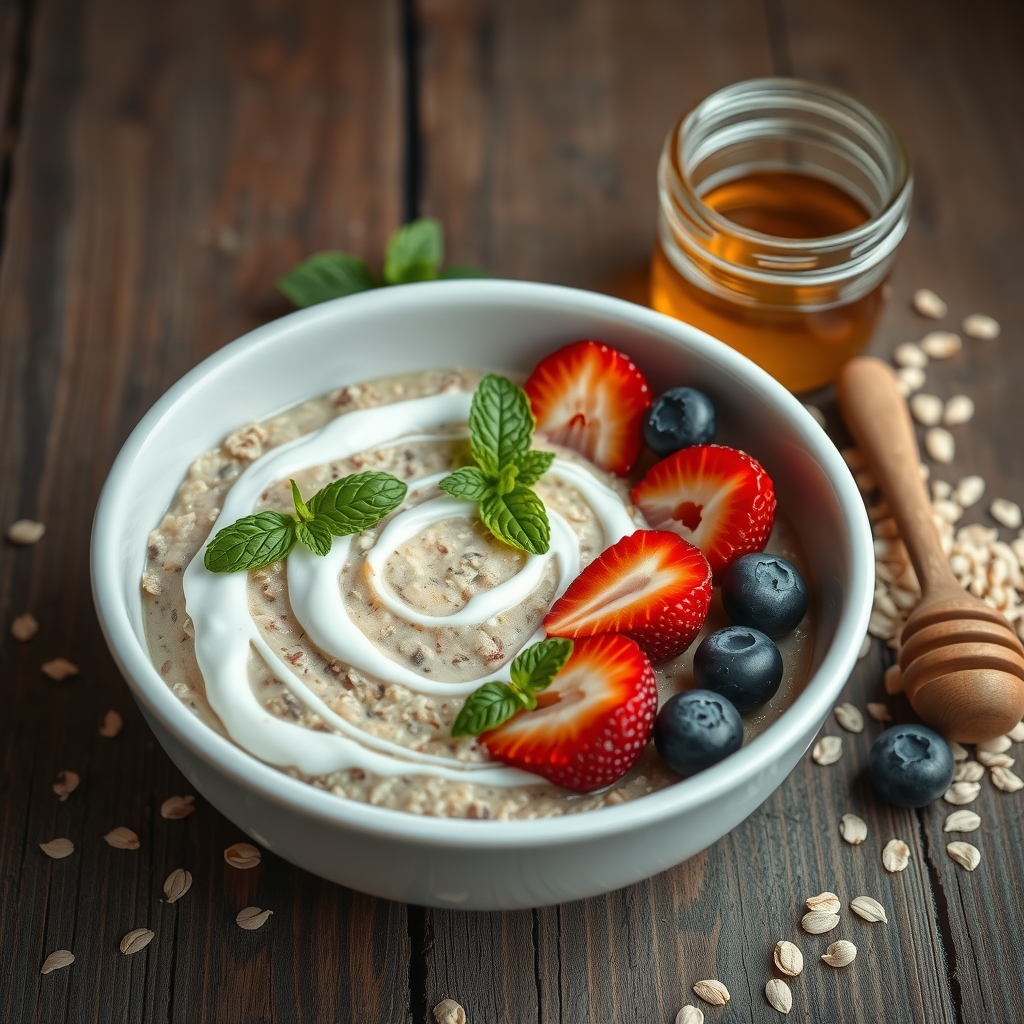
Mornings often feel rushed, and it can be tempting to grab something quick that leaves you hungry again by mid-morning. This guide is for anyone who wants a straightforward way to build a breakfast that actually holds you over until lunch — whether you are feeding a family, packing a jar for a commute, or just trying to eat more whole foods without a complicated recipe.
By the end, you will be able to:
- Choose oats that give you the texture and staying power you prefer
- Pick a yogurt that fits your dietary needs, from dairy to plant-based
- Select fruit at its peak for the best flavor and nutrition
- Layer ingredients so every bite delivers a balance of protein, fiber, and healthy fats
- Add crunch and natural sweetness without relying on refined sugar
- Assemble a bowl that looks appealing and eats well from the first spoonful to the last
No special equipment or obscure ingredients required — just a simple formula you can adapt to what you have on hand.
Choosing the Right Oats for Texture and Nutrition
The type of oats you choose sets the foundation for both the texture and the staying power of your bowl. Rolled oats, often labeled old-fashioned, are steamed and flattened, giving them a tender chew that softens quickly when mixed with yogurt. They hold their shape well enough to provide a pleasant bite but absorb moisture fast, making them ideal if you assemble your bowl just before eating. Steel-cut oats are simply chopped whole groats; they keep a distinct, nutty firmness even after soaking. Because they take longer to break down, they can help the breakfast feel more substantial for hours. If you prefer a creamy, almost pudding-like consistency, quick oats or instant varieties work well, though they tend to digest more rapidly and may leave you hungry sooner.
Nutritionally, all three forms start as whole grains and deliver similar amounts of fiber, protein, and micronutrients per dry weight. The main differences lie in processing and glycemic impact. Less processed options like steel-cut and thick rolled oats generally have a lower glycemic index, meaning they release energy more gradually. Many people find this helps maintain steady focus through the morning. Quick oats are still a wholesome choice, especially when paired with protein and fat from yogurt and nuts, which further slow digestion.
- Rolled oats: soft chew, ready in minutes, versatile for hot or cold prep
- Steel-cut oats: hearty texture, best soaked overnight or cooked ahead
- Quick oats: very soft, fastest to prepare, mild flavor
If you have specific blood-sugar concerns or digestive sensitivities, checking with a doctor or dietitian can help you decide which variety fits your needs best.
Selecting Yogurt Types to Match Dietary Goals
The yogurt layer does more than add creaminess — it anchors the bowl with protein that steadies blood sugar and keeps hunger at bay. Plain varieties let you control sweetness while delivering live cultures that support digestion. Greek and Icelandic skyr tend to be thicker and higher in protein per spoonful, which many people find helpful for staying full through a busy morning. Regular plain yogurt offers a lighter texture and often more calcium per serving, making it a solid choice if you prefer a looser consistency. For plant-based eaters, unsweetened soy yogurt usually comes closest to dairy in protein content, while almond, oat, and coconut versions vary widely — check the label for at least 5 to 6 grams of protein per cup and minimal added gums or starches.
Fat level is another lever you can pull. Full-fat yogurt carries fat-soluble vitamins and creates a richer mouthfeel that can reduce the urge to over-sweeten later. Low-fat and nonfat options cut calories but sometimes compensate with thickeners or extra sugar, so reading the ingredient list matters more than the front-of-package claim. If you’re managing cholesterol or following a specific medical plan, your doctor or dietitian can help you decide which fat level fits best.
A quick checklist when you’re standing in the dairy aisle: – Choose plain over flavored to avoid hidden sugars – Look for “live and active cultures” on the seal – Aim for at least 10 grams of protein per ¾-cup serving – Skip versions with artificial sweeteners if you prefer a clean label – Stir well before scooping — whey separation is normal and harmless
Taste a spoonful plain first; the tang tells you it’s fresh and gives you a baseline for how much fruit or drizzle of honey you’ll actually want.
Identifying Peak-Season Fruits for Flavor and Freshness
Choosing fruit at its seasonal peak means brighter flavor, better texture, and often a lower price tag. In spring, look for strawberries that smell sweet at the stem and rhubarb with crisp, glossy stalks. Summer brings juicy peaches, nectarines, and plums that yield slightly to gentle pressure, along with blueberries and raspberries that are plump and dry. Early fall offers figs that feel heavy for their size and apples with firm, unbruised skin. Winter citrus — oranges, mandarins, grapefruit — should feel dense and have smooth, brightly colored rinds.
When you shop, use your senses. Smell the stem end of melons and stone fruit; a fragrant aroma usually signals ripeness. Berries should move freely in the container, not clump together in juice. For apples and pears, press near the stem — a slight give means ready to eat, while firmer fruit can sit on the counter for a few days. If you buy slightly underripe fruit, store it at room temperature away from direct sunlight, then refrigerate once it softens.
- Spring: strawberries, rhubarb, early cherries
- Summer: peaches, nectarines, plums, blueberries, raspberries, blackberries
- Fall: figs, apples, pears, grapes, persimmons
- Winter: oranges, mandarins, grapefruit, pomegranates, kiwi
Many people find that mixing two textures — something soft like ripe peach slices and something firm like diced apple — keeps each bite interesting. If fresh options are limited, frozen fruit picked at peak ripeness works well; just thaw and drain excess liquid before layering. Wash all produce right before using, not before storing, to prevent mold. A quick rinse under cool water and a gentle pat dry is all most fruit needs.
Balancing Macronutrients in Every Layer
A satisfying breakfast bowl works because each layer contributes something different to the overall nutritional picture. Oats supply complex carbohydrates and soluble fiber that digest slowly, yogurt adds protein and calcium, and fruit brings natural sugars alongside vitamins and fiber. When these three components are present in roughly even visual proportions, the meal tends to deliver steady energy rather than a quick spike and crash. Many people find that aiming for about a half-cup of cooked oats, three-quarters of a cup of yogurt, and a cup of chopped fruit creates a balanced starting point, though individual needs vary.
Protein is especially useful for satiety. Greek yogurt or skyr typically provides more protein per spoonful than regular yogurt, which can help the bowl keep you full longer. If you prefer plant-based yogurts, check the label — some varieties are quite low in protein, so you might stir in a spoonful of nut butter or sprinkle hemp seeds to close the gap. The oats themselves contribute a modest amount of protein, and pairing them with a higher-protein yogurt makes the combination more complete.
Healthy fats round out the macronutrient profile and aid absorption of fat-soluble vitamins from the fruit. A tablespoon of chopped nuts, a sprinkle of ground flax, or a few pumpkin seeds adds richness without overwhelming the bowl. These additions also slow digestion slightly, which many people find extends the feeling of fullness.
- Carbohydrates: oats and fruit for energy and fiber
- Protein: yogurt, optionally boosted with nuts, seeds, or nut butter
- Fat: nuts, seeds, or a drizzle of nut butter for staying power
Adjust the ratios based on your appetite, activity level, and how the meal sits with you. If you have specific dietary goals or medical conditions, a registered dietitian or doctor can help fine-tune the proportions.
If you want this in more depth, our book Grain Bowl Recipes: Building Balanced Meals with Whole Grains, Vegetables, and Proteins covers it step by step.
Adding Crunch and Healthy Fats with Nuts and Seeds
A handful of nuts or a spoonful of seeds turns a soft bowl into something with staying power. The contrast in texture wakes up the palate, while the healthy fats slow digestion and help the meal last until lunch. Walnuts bring a gentle bitterness that pairs well with sweet fruit, almonds add a clean crunch, and pecans offer a buttery richness. Pumpkin seeds contribute a subtle earthiness and a boost of minerals like magnesium and zinc. Chia and flax seeds absorb liquid and create a slight gel, thickening the yogurt layer without any extra effort. Toasting nuts in a dry skillet for a few minutes deepens their flavor and makes them crispier; let them cool completely before sprinkling so they don’t steam into sogginess.
- Walnuts, almonds, pecans, or pistachios for crunch and omega-3s
- Pumpkin seeds or sunflower seeds for mineral density and a nutty snap
- Chia, ground flax, or hemp hearts for fiber and a creamy texture
A tablespoon or two is usually enough. Many people find that mixing a few types keeps each bite interesting. If you’re watching sodium, choose raw or dry-roasted unsalted varieties. Those with nut allergies can rely on seeds alone for similar benefits. As with any dietary change, it’s wise to check with a doctor if you have specific health conditions or concerns about fat intake. Store nuts and seeds in the fridge or freezer to preserve their oils and prevent rancidity. A small jar on the counter makes it easy to grab a spoonful every morning.
Sweetening Naturally Without Refined Sugar
A touch of sweetness ties the bowl together, but you don't need refined sugar to get there. Ripe seasonal fruit often provides enough natural sugar on its own, especially when macerated briefly with a squeeze of lemon juice to draw out juices and concentrate flavor. If you want a little more, reach for whole-food options that bring minerals and fiber along with their sweetness.
- A drizzle of raw honey or pure maple syrup adds floral or caramel notes; start with half a teaspoon and taste before adding more.
- Medjool dates, pitted and blended into the yogurt, create a thick, caramel-like swirl with potassium and magnesium.
- Unsweetened applesauce or mashed ripe banana can be stirred into the oats before soaking, distributing gentle sweetness through every bite.
- A pinch of cinnamon, nutmeg, or cardamom amplifies the perception of sweetness without adding any sugar at all.
Many people find that their palate adjusts quickly; after a week or two of less added sweetener, fruit tastes brighter and more satisfying. If you have specific health conditions such as diabetes, check with your doctor or a registered dietitian about the best natural sweeteners and portion sizes for your needs. The goal is a bowl that tastes delicious and supports steady energy, not a sugar spike.
Assembling for Visual Appeal and Optimal Eating Order
Start with a wide, shallow bowl so each layer stays visible and easy to reach. Spoon the cooked or soaked oats into the bottom, smoothing them gently with the back of the spoon to create an even base. Next, dollop the yogurt in the center and use a small offset spatula or the spoon's curve to spread it toward the edges, leaving a slight well in the middle for fruit juices to collect. This order — grains, then protein, then produce — helps the bowl hold its structure while you eat, so you get a bit of every component in each bite.
Arrange the seasonal fruit in a pattern that feels natural to you: concentric circles, a diagonal sweep, or small clusters grouped by color. Slice larger pieces like peaches or strawberries thin enough to lie flat; leave berries whole for pops of contrast. If you're using a mix of textures — juicy melon, firm apple, soft fig — place the firmer items at the bottom of the fruit layer so they don't crush the delicate ones.
Sprinkle nuts and seeds last, scattering them evenly across the surface so they stay crisp until the moment you eat. A drizzle of honey or maple syrup goes on just before serving, following the lines of your fruit design.
- Use a spoon with a thin edge for clean layering
- Chill the bowl briefly if the yogurt softens too quickly
- Eat from the outside in to maintain the fruit arrangement longer
- Keep extra toppings on the side for refreshing crunch mid-meal
Putting It Together
Start by picking one weekend morning to prep a batch of oats — overnight oats in jars or a pot of steel-cut oats that reheats well. Portion them into four containers so the base is ready on busy weekdays. While the oats cool, wash and slice enough seasonal fruit for three days; store berries unwashed in a paper-towel-lined container and keep stone fruit or melon in separate airtight boxes. Scoop yogurt into small jars or leave it in the original tub if you prefer spooning it fresh each morning. Toast a handful of nuts and seeds on a sheet pan, cool completely, then divide into snack-size bags.
- Monday through Wednesday: layer oats, yogurt, fruit, and a sprinkle of nuts in a bowl or jar. Drizzle a little honey or maple syrup if you like.
- Thursday and Friday: switch to a warm bowl — reheat oats with a splash of milk, top with yogurt, fresh fruit, and the remaining nuts.
- Saturday: use leftovers for a freestyle bowl; add a spoonful of nut butter or a few dark chocolate chips if the mood strikes.
- Sunday: reset. Wash containers, restock fruit, and make a new batch of oats for the coming week.
Many people find this rhythm keeps decision fatigue low and breakfast satisfying without extra effort. Adjust portions to your appetite and check with a doctor if you have specific dietary needs.
More from the blog
- How to Build a Balanced Snack Plate Using Protein, Fiber, and Healthy Fats
- How to Build a Balanced Weekly Workout Schedule Using Only Bodyweight Exercises
- How to Measure Exercise Intensity Using the Talk Test and RPE Scale
From FitLife Solutions
Our book Grain Bowl Recipes: Building Balanced Meals with Whole Grains, Vegetables, and Proteins goes further, as a digital eBook (PDF and EPUB) you can read on any device.
Browse all our practical health and fitness guides at fitlifesolutions.site.
New practical health guides and articles on WhatsApp: follow our channel.
Earn by sharing our books with your audience: join our affiliate channel on Telegram for one ready-to-post book a day.
This article is for general information only and is not a substitute for professional medical advice. Talk to your doctor or another qualified health professional before changing your diet, exercise or health routine, especially if you have a medical condition or take medication.