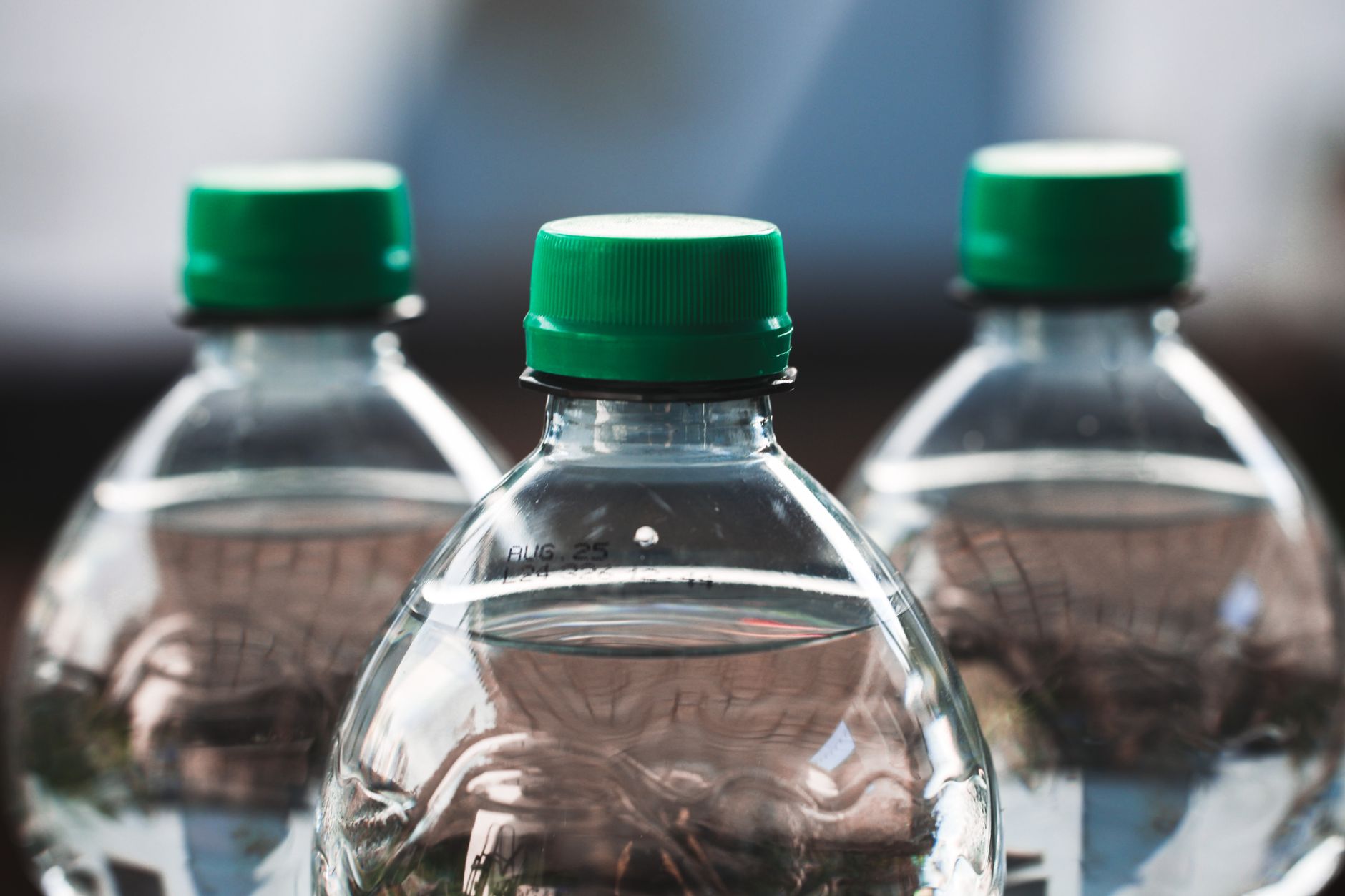
Choosing a water bottle seems simple until you stand in the aisle comparing a lightweight plastic squeeze bottle, a sleek stainless steel insulated flask, and a heavy glass option. This guide is for anyone who carries water daily — commuters, gym-goers, hikers, parents packing lunches, or office workers refilling at the cooler — and wants a bottle that actually fits their routine instead of complicating it.
After reading, you will be able to match bottle materials to your specific habits. You will understand how stainless steel, glass, and plastic compare across the factors that matter most in real life:
- Weight and portability for bags, cup holders, and bike cages
- Temperature retention for hot coffee in January or ice water in July
- Cleaning ease when you have two minutes at a sink or a dishwasher at home
- Taste neutrality so your water tastes like water, not yesterday's smoothie or a metallic tang
- Durability for drops on concrete, tosses in a gym bag, or rattling in a stroller
No single material wins every category. The goal is to help you pick the trade-offs that suit your days.
Matching Bottle Materials to Commute and Travel Demands
For daily commuters, the bottle that slides into a laptop bag or cup holder often matters as much as what it holds. Stainless steel tends to be the workhorse here. A single-wall model keeps the pack light, while a vacuum-insulated version can keep coffee hot through a delayed train or water cold during a summer drive. Many people find the narrow mouth of a steel bottle prevents spills when the vehicle brakes hard, and the material shrugs off the occasional drop onto concrete.
Glass appeals to riders who prioritize taste and don't mind a little extra care. A silicone sleeve adds grip and cushions minor bumps, making it viable for a subway commute where the bottle stays upright in a dedicated pocket. However, glass adds noticeable weight and can shatter if a bag is tossed into an overhead bin, so it suits routines where the bottle has a protected spot.
Plastic remains the lightest option and often the cheapest to replace if lost at a security checkpoint. Look for BPA-free, dishwasher-safe Tritan or similar copolymers that resist staining from sports drinks. The trade-off is that single-wall plastic offers no insulation, so ice melts fast in a hot car, and some users notice flavor carryover after a few weeks of daily use.
Quick checklist for transit: – Fits your bag's bottle pocket or car cup holder without forcing – Lid seals reliably when jostled in a backpack – Weight you barely notice after a 20-minute walk – Material you trust not to crack if the bag hits the floor
Evaluating Durability for Gym, Outdoor, and Active Use
When you are moving fast, dropping a bottle is almost inevitable. Stainless steel handles those impacts well; a dent might appear, but the wall rarely cracks or leaks. Many people find that a powder-coated finish adds grip when hands are sweaty and resists chipping better than bare metal. For gym sessions where the bottle gets tossed into a locker or knocked over on a bench, this resilience means you keep using the same bottle for years.
Glass feels premium and stays odor-free, yet it is the most fragile of the three. A silicone sleeve helps absorb shocks, but a hard fall onto tile or concrete can still shatter the body. If your routine involves crowded fitness classes or outdoor boot camps where space is tight, the risk of breakage rises. Some users accept that trade-off for taste purity, while others reserve glass for low-risk settings like a desk or yoga studio.
Plastic bottles, especially those made from copolyester or polypropylene, are lightweight and virtually unbreakable in normal drops. They survive being stepped on, thrown into a gear bag, or strapped to a bike frame. Over time, however, repeated impacts can create micro-scratches that harbor bacteria or cloud the walls. Choosing a bottle with a wide mouth makes it easier to scrub those surfaces clean.
- Stainless steel: best overall impact resistance, minor cosmetic dents only
- Glass: highest breakage risk, sleeves reduce but don't eliminate it
- Plastic: survives drops easily, watch for scratch buildup over months
Assessing Temperature Retention Needs Across Seasons
When the forecast swings from icy mornings to sweltering afternoons, the material of your bottle determines whether your drink stays enjoyable for hours or turns lukewarm before lunch. Stainless steel with vacuum insulation leads the pack for versatility. A double-wall construction can keep coffee piping hot through a long commute and ice water cold during a weekend hike, often maintaining usable temperatures for six to twelve hours depending on the starting temperature and how often you open the lid. Many people find this all-season reliability worth the slightly heavier carry.
Glass bottles generally lack built-in insulation, so liquids equilibrate with the surrounding air within an hour or two. Some brands offer silicone sleeves or neoprene covers that add a modest buffer, but they still fall short of metal for extreme conditions. If your routine stays mostly indoors or in mild climates, glass can work fine; just don’t expect it to defend against a July heatwave or a January freeze.
Single-wall plastic and metal bottles provide almost no temperature control. They’re fine for room-temperature water consumed quickly, but hot liquids can make the exterior uncomfortably warm to hold, and cold drinks sweat onto your bag. Insulated plastic models exist, yet they typically retain heat or cold for fewer hours than comparable steel versions.
Practical checks for your routine: – Morning coffee drinker facing a long transit? Prioritize vacuum-insulated steel. – Mostly sipping water at a desk or in a temperate car? Glass or single-wall options suffice. – Summer trail runs or winter ski days? Only double-wall steel reliably handles both extremes. – Frequent lid openings? Expect shorter retention across all materials; plan for a slightly larger volume to compensate.
Balancing Weight and Portability for Everyday Carry
When you carry a bottle from room to room, onto transit, or into a meeting, every ounce adds up. Stainless steel bottles tend to be the heaviest of the three, especially double-wall insulated models that can weigh 12 to 16 ounces empty. That weight brings durability and temperature performance, but it can feel noticeable in a small daypack or a purse you already load with a laptop. Many people find a lighter single-wall steel bottle works for short commutes, though it won’t keep drinks cold as long.
Glass sits in the middle. A typical 16-ounce glass bottle with a protective silicone sleeve weighs around 10 to 14 ounces. The sleeve adds grip and some impact protection, but the overall package is still denser than plastic. If you set your bottle on hard surfaces often, the sleeve helps prevent chips and reduces the clink against tables.
Plastic is the lightest option, often 3 to 6 ounces for the same capacity. That makes it easy to toss into a crowded bag or clip to a pack strap without thinking twice. The trade-off is less insulation and, over time, more visible wear.
A quick way to decide: – If your bag is already heavy, lean toward plastic or a slim single-wall steel bottle. – If you want a balance of weight and moderate temperature hold, a sleeved glass bottle fits well. – If you prioritize all-day cold water and can spare the weight, double-wall steel is hard to beat.
Try filling each type with your usual daily volume and carry it for a day. The one you forget is there is usually the right match.
Understanding Cleaning Requirements and Hygiene Factors
Cleaning habits often decide whether a bottle stays in daily rotation or gets pushed to the back of a cupboard. Stainless steel interiors are generally non-porous and resist lingering odors, so a quick rinse with warm, soapy water after each use is usually enough. For deeper cleaning, many people find that a bottle brush reaches the shoulder and bottom corners where residue can hide. Avoid bleach or harsh abrasives; they can damage the finish and leave a metallic aftertaste.
Glass bottles are the easiest to inspect visually — you can see every spot — and they handle high heat without warping. Most are dishwasher safe on the top rack, though narrow necks may still need a brush. Silicone sleeves should be removed periodically to wash underneath, since moisture trapped there can encourage mold.
Plastic bottles vary widely. Single-use styles aren't designed for repeated washing and can develop micro-scratches that harbor bacteria. Reusable Tritan or copolyester bottles tolerate dishwashers better, but many people find hand-washing extends their clarity and prevents clouding. Check the recycling code and manufacturer guidance; some plastics warp above 140°F.
Lids and straws deserve equal attention. Gaskets, flip-top hinges, and straw tubes collect residue fast. Disassemble them fully, soak in warm, soapy water, and use a small brush or pipe cleaner for narrow passages. Let every part air-dry completely before reassembling.
- Rinse immediately after sugary or protein drinks
- Deep-clean weekly with baking soda paste or vinegar soak
- Replace worn gaskets or cracked straws promptly
- Store uncapped to prevent trapped moisture
A clean bottle not only tastes better — it supports the hygiene habits that keep you reaching for water all day.
Considering Taste Neutrality and Material Reactivity
The flavor of your water should come from what you put in it, not the container itself. Stainless steel is widely regarded as the most neutral option; high-quality, food-grade 18/8 steel typically imparts no metallic taste, though a brand-new bottle can sometimes leave a faint mineral note that disappears after a few washes. Glass is equally inert — it neither absorbs nor releases flavors, making it a favorite for anyone sensitive to aftertastes or who switches between coffee, tea, and plain water throughout the day. Plastic varies the most. Bottles made from Tritan or similar copolyesters are designed to be taste-free, but lower-grade plastics or older bottles with scratched interiors can hold onto oils and aromas, especially from citrus or sports drinks.
Reactivity is another factor. Acidic beverages like lemon water or kombucha can interact with certain metals if the lining is damaged, and they may accelerate wear on some plastic surfaces over time. Glass eliminates this concern entirely. Stainless steel handles acidity well as long as the interior finish remains intact. If you notice a persistent off-taste, it often signals residue buildup rather than the material itself.
- Stainless steel: neutral when clean; inspect for dents or coating damage
- Glass: completely inert; ideal for flavor purity
- Tritan plastic: generally neutral; replace if scratches retain odors
- Avoid: single-use PET bottles for repeated use — they degrade and absorb flavors
Many people find that a quick soak with baking soda or diluted vinegar restores neutrality across all materials. If you have specific sensitivities or health conditions, checking with a doctor can help guide your choice.
Aligning Material Choice with Environmental Values
The environmental footprint of a water bottle extends far beyond the material itself, touching on production energy, lifespan, and end-of-life options. Stainless steel requires significant energy to mine and refine, but a single bottle can replace hundreds of disposable plastics over years of use. Many people find that keeping one high-quality steel bottle for a decade feels like the most straightforward way to reduce waste. Glass production also demands high heat, yet glass is infinitely recyclable without quality loss and contains no liners or coatings that complicate recycling streams. Plastic bottles, especially those made from recycled PET, start with a lower carbon footprint per unit, but they tend to degrade faster, leading to more frequent replacement and a higher chance of entering the waste stream as microplastics.
When weighing these factors, consider how the bottle fits into your local recycling reality. A material that is technically recyclable only helps if your municipality actually accepts it. Stainless steel and glass are widely accepted in curbside programs, while certain plastics may be excluded. Durability plays a quiet role here too — a bottle that survives drops and daily commutes stays out of the landfill longer.
- Choose a material you can realistically maintain and repair, such as replacing a silicone seal instead of the whole bottle.
- Support brands that offer take-back programs or use post-consumer recycled content.
- Avoid bottles with mixed materials that cannot be easily separated for recycling.
Aligning your choice with environmental values often means prioritizing longevity and simplicity over novelty. A bottle you love using and keep for years almost always outperforms a "greener" option that sits in a cupboard.
Putting It Together
Start by picking one bottle that matches your most common day — commute, desk work, or gym — and use it exclusively for a week. Notice how often you refill, whether the weight bothers you in your bag, and if the temperature holds long enough for your routine. Many people find that a single insulated stainless steel bottle covers most needs, but you might prefer glass for office sipping or a lightweight plastic option for short walks.
- Day 1–2: Carry your chosen bottle everywhere. Track how many times you refill and when the water feels too warm or too cold.
- Day 3: Wash it thoroughly — bottle, lid, straw — and note any lingering smells or residue.
- Day 4–5: Test it in a different setting (e.g., toss it in a backpack for a hike or leave it in a hot car) to see how it handles.
- Day 6: Compare taste by filling with the same tap water you usually drink. Note any metallic, plastic, or neutral flavor.
- Day 7: Decide if this bottle fits 80% of your days. If not, identify the gap — weight, cleaning, taste, or temperature — and shop for a second bottle to cover that specific use.
Adjust as needed. No single material works perfectly for every situation, and that’s okay.
More from the blog
- How to Choose a Supportive Mattress for Better Sleep and Back Health
- How to Choose the Right Running Shoes for Your Foot Type and Gait
- How to Set Up an Ergonomic Laptop Workstation at a Kitchen Table
From FitLife Solutions
Browse all our practical health and fitness guides at fitlifesolutions.site.
New practical health guides and articles on WhatsApp: follow our channel.
Earn by sharing our books with your audience: join our affiliate channel on Telegram for one ready-to-post book a day.
This article is for general information only and is not a substitute for professional medical advice. Talk to your doctor or another qualified health professional before changing your diet, exercise or health routine, especially if you have a medical condition or take medication.