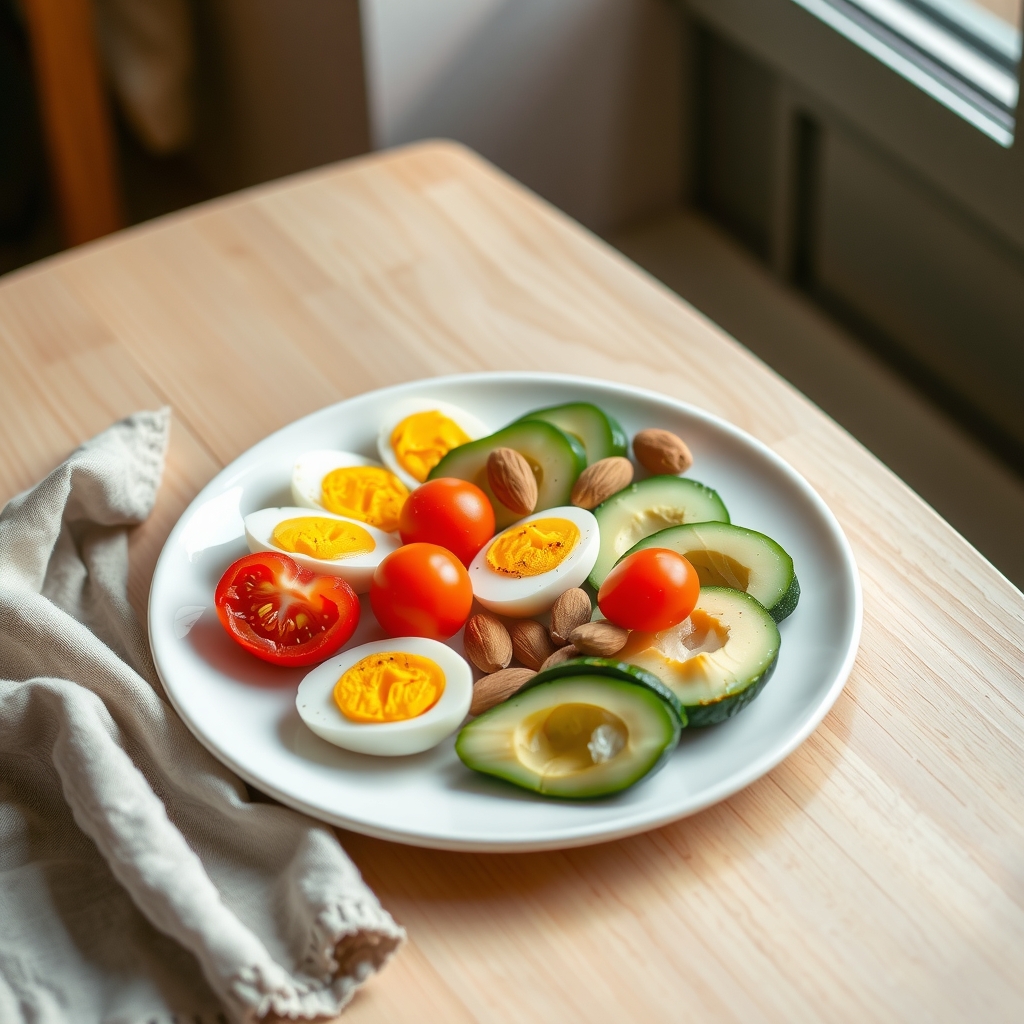
If you often find yourself hungry again an hour after snacking, or you experience an afternoon energy dip that sends you searching for something sweet, this guide is for you. It is written for anyone who wants a practical way to build snacks that actually last — whether you are packing a lunchbox, working through a long shift, or simply trying to bridge the gap between meals without overthinking it.
You do not need to count calories, weigh food, or follow a rigid plan. Instead, you will learn a simple three-part formula: pair a protein source with a high-fiber carbohydrate and a healthy fat. This combination helps slow digestion, steady blood sugar, and keep satisfaction going longer than a single-food snack typically does.
By the end of this article, you will be able to:
- Identify protein, fiber, and fat options that fit your preferences and budget
- Assemble a balanced snack plate in under a minute using your hand as a portion guide
- Mix and match flavors so the habit stays enjoyable, not repetitive
- Prep components ahead of time for grab-and-go convenience
As always, consider checking with a healthcare provider before making significant changes to your eating pattern, especially if you have specific medical conditions or dietary needs.
Why the Protein-Fiber-Fat Trio Stabilizes Blood Sugar
When you eat carbohydrates on their own, they break down into glucose and enter the bloodstream quickly, which can lead to a sharp rise in blood sugar followed by a sudden drop. That roller coaster often leaves you feeling tired, irritable, or hungry again within an hour. Adding protein, fiber, and healthy fats to the same snack changes the pace of digestion. Protein and fat slow the emptying of the stomach, while soluble fiber forms a gel-like matrix that delays glucose absorption. Together, they create a more gradual release of energy, helping you stay focused and satisfied until your next meal.
Many people find that this combination also reduces the urge to graze mindlessly. When blood sugar stays steadier, the hormonal signals that drive cravings — especially for sweet or salty processed foods — tend to quiet down. You may notice fewer mid-afternoon slumps and a more even mood throughout the day.
- Protein provides amino acids that support muscle repair and help regulate appetite hormones.
- Fiber feeds beneficial gut bacteria and adds bulk that physically slows digestion.
- Healthy fats aid in the absorption of fat-soluble vitamins and contribute to a feeling of fullness.
This trio does not require precise measuring or special products. A handful of nuts with an apple, Greek yogurt with berries and chia seeds, or hummus with vegetable sticks all deliver the three components in a single bite. If you have a medical condition that affects blood sugar, such as diabetes, it is wise to check with your doctor or a registered dietitian before making significant changes to your eating pattern.
Choosing Complete Proteins That Fit Any Eating Style
Protein is the anchor of a balanced snack because it digests slowly, helps preserve muscle, and signals fullness to the brain. The goal is to choose complete proteins — those that supply all nine essential amino acids — while honoring the way you like to eat. Many people find that rotating a few reliable sources keeps snacks interesting without requiring a nutrition degree.
If you eat animal products, hard-boiled eggs, Greek yogurt, cottage cheese, canned tuna or salmon, and sliced turkey or chicken breast are convenient staples. A single egg or a half-cup of cottage cheese delivers a solid protein boost with minimal prep. For plant-based eaters, soy stands out as a complete protein on its own; think edamame, tofu cubes, or tempeh strips. Quinoa, while technically a seed, also qualifies and works well chilled in a snack jar.
Most other plant proteins are incomplete, but pairing them across the day — not necessarily in the same bite — covers your bases. For a single snack plate, you can combine complementary sources to create a complete profile:
- Hummus with whole-grain pita or seed crackers
- Nut butter on sprouted-grain toast
- Black beans with a sprinkle of hemp seeds
- Lentil salad tossed with pumpkin seeds
Portion awareness matters more than precision. A serving roughly the size of your palm (or a half-cup of beans, a thumb of nut butter, one egg) is a practical starting point. If you have kidney concerns or follow a specialized diet, check with a doctor or registered dietitian before significantly increasing protein intake.
High-Fiber Carbohydrates That Digest Slowly
Fiber acts like a slow-release valve for the energy in carbohydrates, helping your blood sugar rise gradually instead of spiking and crashing. The best sources for a snack plate are whole or minimally processed foods that still contain their natural structure — think intact grains, legumes, starchy vegetables, and whole fruits. These take longer to chew and digest, which naturally extends fullness and gives your gut microbes something to ferment.
Start with a cooked grain like quinoa, farro, brown rice, or steel-cut oats. A half-cup portion adds substance without heaviness. Roasted sweet potato cubes, winter squash, or corn kernels bring natural sweetness and a creamy texture that pairs well with savory proteins. Canned beans — rinsed well — are a pantry staple; chickpeas, black beans, or cannellini beans each offer a different flavor and mouthfeel. For a no-cook option, try a small apple or pear with the skin on, a handful of berries, or a few dried figs or apricots (unsulfured, if possible).
- Quinoa, farro, brown rice, steel-cut oats
- Roasted sweet potato, squash, corn
- Rinsed canned beans: chickpeas, black beans, cannellini
- Whole fruit with skin: apple, pear, berries
- Unsulfured dried fruit: figs, apricots
Many people find that rotating these options keeps snacks interesting and supports digestive regularity. If you’re increasing fiber quickly, add an extra glass of water and go slowly — your system may need time to adjust. As always, check with your doctor if you have a digestive condition or specific dietary needs.
Selecting Healthy Fats for Satiety and Nutrient Absorption
Healthy fats round out the snack plate by slowing digestion, helping you feel full longer, and allowing your body to absorb fat-soluble vitamins from the other foods on the plate. A small portion goes a long way, so the goal is to choose sources you enjoy and keep the amount in check.
Whole-food fats tend to bring extra nutrients along for the ride. A quarter of an avocado adds creaminess plus potassium and fiber. A small handful of raw or dry-roasted nuts — almonds, walnuts, pistachios — delivers plant sterols and a satisfying crunch. Seeds such as chia, flax, pumpkin, or sunflower sprinkle easily onto yogurt or cottage cheese and contribute omega-3s and minerals. Olives offer a savory, salty option that pairs well with vegetables and cheese. If you prefer a spread, a thin layer of natural nut butter or tahini works nicely on whole-grain crackers or apple slices.
For cooking or drizzling, extra-virgin olive oil and avocado oil are versatile staples that many people find work well at moderate heat. A teaspoon tossed with roasted chickpeas or vegetables adds richness without overwhelming the snack.
- Avocado (about one-quarter fruit)
- Nuts (a small handful, roughly one ounce)
- Seeds (one to two tablespoons)
- Olives (five to eight pieces)
- Natural nut butter or tahini (one tablespoon)
- Extra-virgin olive oil or avocado oil (one teaspoon for drizzling)
Because fat is calorie-dense, using your thumb as a rough guide for spreads and oils, and a cupped hand for nuts and seeds, helps keep portions intuitive. If you have specific health conditions or take medications that affect fat digestion, check with your doctor or a registered dietitian for personalized guidance.
Portion Guidelines Using Your Hand as a Measure
Your hand is a portable, personalized portion tool that scales to your body size. No measuring cups or food scales required. Start with protein: a serving roughly the size and thickness of your palm (including fingers) works well for most adults. This could be a chicken breast, a block of tofu, a couple of eggs, or a scoop of Greek yogurt. For plant proteins like beans or lentils, a cupped handful is a closer match.
- Protein: one palm (animal) or one cupped hand (legumes, tofu, tempeh)
- Fiber-rich carbs: one cupped hand (cooked grains, roasted vegetables, fruit, beans if not counted as protein)
- Healthy fats: one thumb tip to base (nuts, seeds, nut butter, avocado, cheese, olive oil drizzle)
Vegetables that are low in starch — leafy greens, cucumber, peppers, snap peas — can fill the rest of the plate without strict limits. Many people find two open handfuls a comfortable visual cue.
If you are taller or more active, you may need slightly larger portions; if you are smaller or less active, slightly smaller. The hand method adjusts naturally. When building a snack plate, aim for one portion from each of the three categories rather than full meal sizes. A palm of turkey, a cupped hand of quinoa salad, and a thumb of hummus creates a balanced mini-meal.
Listen to hunger and fullness cues as you eat. If you finish and still feel hungry after 20 minutes, add another half portion of protein or fiber first. Checking with a doctor or registered dietitian can help tailor portions if you have specific health conditions or nutrient needs.
Assembling the Plate: Visual Layout and Flavor Pairings
Think of your plate as a simple clock face to keep the assembly intuitive. Place your protein portion at twelve o’clock, your high-fiber carbohydrate at four o’clock, and your healthy fat at eight o’clock. This spacing leaves a little open space in the center for a garnish of fresh herbs, a squeeze of citrus, or a sprinkle of seeds that ties everything together visually and flavor-wise.
Color contrast makes the snack more appealing and often signals a broader nutrient mix. Pair pale chicken or tofu with deep-green snap peas and a few orange bell pepper strips. If you’re using canned salmon, add bright cucumber ribbons and a spoonful of ruby-red sauerkraut. A hard-boiled egg sits nicely beside steamed edamame and a few olives for a Mediterranean feel.
Flavor pairings can turn a functional plate into something you genuinely look forward to. Consider these easy combos:
- Greek yogurt, berries, and a drizzle of almond butter with a pinch of cinnamon
- Turkey slices, whole-grain crackers, and hummus topped with smoked paprika
- Cottage cheese, diced pear, and toasted walnuts with a dash of black pepper
- Roasted chickpeas, cherry tomatoes, and feta crumbles finished with lemon zest
Texture matters as much as taste. Aim for at least one creamy element, one crunchy element, and one juicy or tender component. If your protein is soft, choose a crisp vegetable or a seedy cracker. If your fat is liquid like olive oil, toss it with the carbohydrate first so it coats evenly. Taste once before you walk away; a tiny pinch of flaky salt or a grind of pepper often wakes up the whole plate. Many people find this visual rhythm becomes second nature after a few tries.
Make-Ahead Strategies for Busy Weekdays
Spending an hour on Sunday prepping building blocks can turn chaotic weekday mornings into a simple assembly line. Cook a batch of hard-boiled eggs, roast a tray of chickpeas with a little olive oil and salt, and grill or bake chicken strips seasoned with herbs. While the oven is on, sheet-pan a mix of sweet potato cubes, broccoli florets, and bell pepper strips; they reheat well and hold texture for days. Portion cooked quinoa, farro, or brown rice into small containers so the fiber base is ready to grab. Wash and dry berries, slice cucumber and carrots, and store them in airtight jars lined with a paper towel to absorb excess moisture.
- Make mini snack boxes: one compartment protein, one fiber-rich carb or veggie, one healthy fat such as olives, nuts, or a dollop of hummus.
- Freeze smoothie packs with spinach, frozen fruit, and a scoop of protein powder; add liquid and blend in the morning.
- Portion nut butter into small ramekins or reusable pouches to pair with apple slices or whole-grain crackers.
- Keep a jar of mixed seeds and a container of Greek yogurt at eye level in the fridge for quick access.
Label containers with the date and eat within four days for best quality. If you have specific dietary needs or medical conditions, check with a doctor or registered dietitian before making large changes to your routine. Many people find that a little weekend effort reduces decision fatigue and keeps energy steadier through long workdays.
Putting It Together
Start by picking two proteins, two fiber-rich carbs, and two fats you already like. Shop for those six items this weekend so the kitchen is ready when Monday hits. Wash and chop vegetables, portion nuts into small containers, and cook a batch of beans or hard-boil eggs if they are on your list. Spend ten minutes Sunday evening arranging three snack boxes for Monday through Wednesday; the rest can be assembled the night before each day.
- Monday: Greek yogurt with berries and a sprinkle of chia seeds
- Tuesday: Hummus, cucumber slices, and a handful of almonds
- Wednesday: Cottage cheese, cherry tomatoes, and a drizzle of olive oil
- Thursday: Turkey roll-ups, snap peas, and a few olives
- Friday: Hard-boiled egg, apple slices, and peanut butter
Keep a small notebook or phone note to jot down what felt satisfying and what left you hungry an hour later. Adjust portions by adding a few more nuts or an extra spoonful of yogurt next week. Many people find that a quick check-in each Friday helps the routine settle without feeling rigid. If you have specific health conditions or take medication that affects blood sugar, check with your doctor before making consistent changes to snack timing or composition.
More from the blog
- How to Build a Balanced Weekly Workout Schedule Using Only Bodyweight Exercises
- How to Measure Exercise Intensity Using the Talk Test and RPE Scale
- How to Build a Simple Morning Mobility Routine for Stiff Joints
From FitLife Solutions
Browse all our practical health and fitness guides at fitlifesolutions.site.
New practical health guides and articles on WhatsApp: follow our channel.
Earn by sharing our books with your audience: join our affiliate channel on Telegram for one ready-to-post book a day.
This article is for general information only and is not a substitute for professional medical advice. Talk to your doctor or another qualified health professional before changing your diet, exercise or health routine, especially if you have a medical condition or take medication.