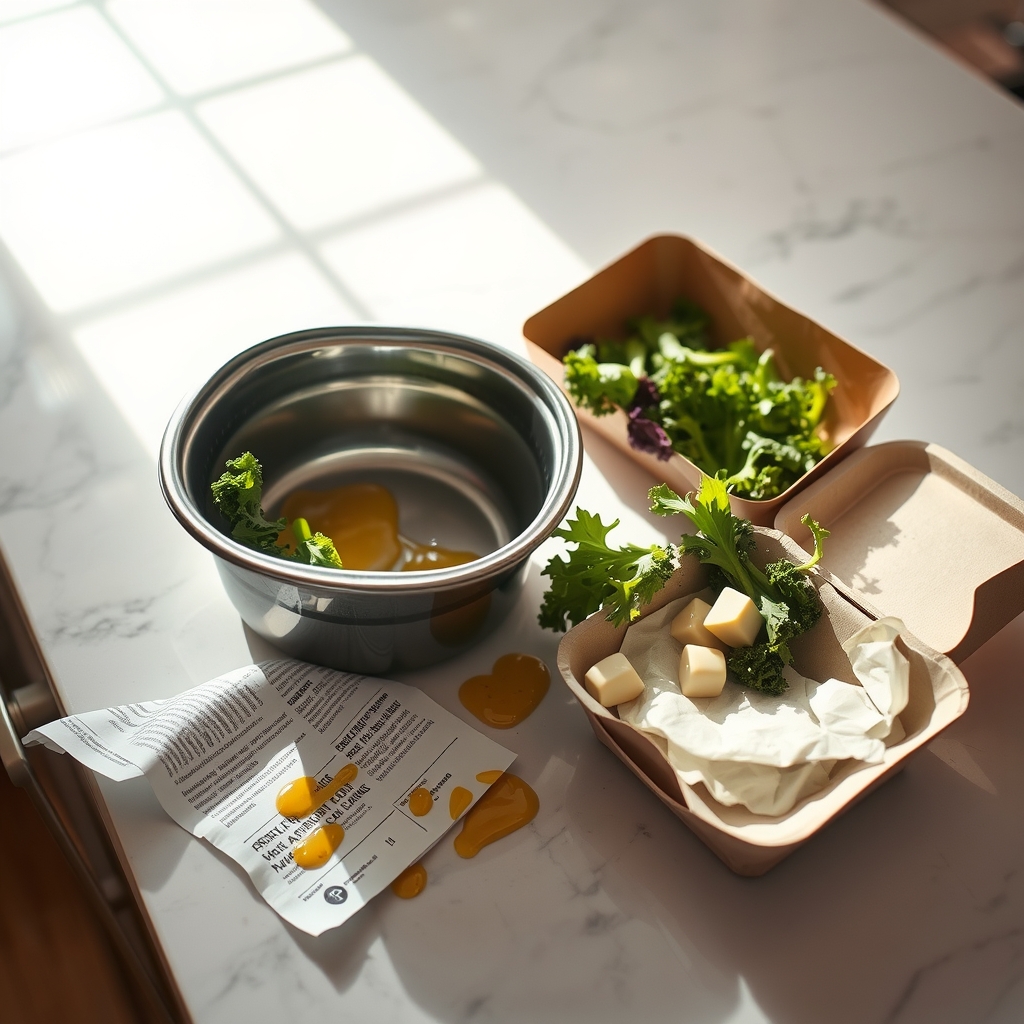
You spend Sunday chopping, portioning, and stacking containers, only to find yourself ordering takeout by Wednesday because the sight of that fifth chicken-and-rice box kills your appetite. If rigid meal prep has left you with wasted groceries, decision fatigue, and a fridge full of guilt, this article is for you. It is written for busy adults who need nourishment without a part-time job in food logistics.
We will look at why the standard cook-once-eat-all-week model often backfires, from hidden time costs to the psychology of palate fatigue. You will learn how to spot the friction points in your current routine and replace them with a flexible component-prep framework that adapts to shifting schedules and actual cravings.
After reading, you will be able to:
- Identify which prep habits are costing you time and mental energy
- Build a modular system of proteins, starches, and vegetables that mix into different meals
- Adjust your strategy when work runs late, appetite changes, or leftovers lose appeal
- Keep food waste down without eating the same thing on repeat
The Hidden Costs: Time, Waste, and Decision Fatigue
The Sunday ritual looks productive on paper: three hours, twenty containers, a color-coded spreadsheet. What the highlight reel skips is the hidden ledger. You spend forty minutes washing and chopping vegetables that wilt by Thursday. You buy bulk proteins because the per-pound price is lower, then toss half a package of freezer-burned chicken in March. The mental load is heavier than the grocery bags. By Wednesday you are negotiating with a container of mushy quinoa, deciding whether to force it down or order takeout and feel guilty. That negotiation is decision fatigue wearing a different outfit — you already made fifty choices at work; dinner shouldn't require a committee meeting.
The waste shows up in three forms. Food waste: the bag of spinach that turns to sludge, the sauce that separates, the rice that hardens into a brick. Time waste: the hour you spend portioning snacks you never eat because the texture is off. Energy waste: the resentment that builds when your carefully planned Tuesday lunch feels like a punishment instead of fuel. Many people find they spend more cognitive bandwidth managing the system than they save by having meals ready.
- Track what you actually throw out for two weeks; the pattern usually points to one or two ingredients you keep buying "just in case."
- Limit active prep to ninety minutes max; beyond that, accuracy drops and shortcuts creep in.
- Build in one "flex night" per week where the plan is deliberately empty — leftovers, eggs on toast, or a sandwich — so the system has a pressure valve.
Why the Standard Approach Fails Real-Life Schedules
The standard meal prep model assumes your week follows a predictable script. You shop Sunday, cook for three hours, portion into identical containers, and eat on schedule. Real life rarely cooperates. A Tuesday meeting runs late, a child gets sick, or you simply finish work too exhausted to reheat the chicken and rice you packed. When the plan breaks, the food often sits until it spoils, and you end up ordering takeout anyway — wasting both the prep effort and the money spent on groceries.
Rigid batching also ignores how energy fluctuates. You might have bandwidth for a complex recipe on Sunday but need zero-cook meals by Thursday. Standard prep locks you into the same labor level all week. It also assumes your appetite stays constant. Eating the same portion of the same macro split five days straight ignores hunger cues that shift with sleep, stress, and activity. Many people find they overeat on low-activity days just to "finish the container" or under-eat on high-activity days because the portion was set on Sunday.
Common friction points: – Fixed portions that don't match daily hunger – No buffer for schedule changes or social meals – All cooking front-loaded when energy is highest – No system for using up partial ingredients mid-week – Mental guilt when you deviate from the plan
A flexible system builds in slack. It separates components so you can assemble different meals in minutes, swap portions based on actual hunger, and pivot when plans change without throwing out food or abandoning the effort entirely.
The Psychology of Food Boredom and Palate Fatigue
Eating the same reheated chicken, rice, and broccoli for five straight days sounds efficient on paper, but your brain and taste buds often rebel by Wednesday. This phenomenon, often called palate fatigue, is a survival mechanism, not a character flaw. When flavors and textures repeat without variation, dopamine response drops, meals stop feeling satisfying, and the urge to order takeout spikes — not because you lack discipline, but because your sensory system is begging for novelty.
Many people find that boredom shows up first as mindless snacking after the "healthy" meal, then as resentment toward the containers staring back from the fridge. The fix isn't forcing yourself to finish the batch. It’s building in deliberate variation at the component level so the base ingredients stay the same but the eating experience shifts.
- Cook a neutral protein (shredded chicken, lentils, ground turkey) and rotate sauces: chimichurri Monday, teriyaki Tuesday, harissa Wednesday, lemon-herb yogurt Thursday.
- Prep two vegetable bases instead of one — roasted root vegetables and a raw slaw — then mix and match.
- Keep texture contrast handy: toasted nuts, quick-pickled onions, crispy chickpeas, or a handful of fresh herbs added at serving time.
- Designate one "wild card" dinner slot midweek for leftovers remixed into a wrap, frittata, or grain bowl with a fried egg.
If you notice dread creeping in when you open a container, treat it as data. Swap the sauce, change the temperature (cold salad vs. hot bowl), or repurpose the protein into a soup. Flexibility protects the habit better than rigidity ever could.
When Batch Cooking Sabotages Weight Loss Goals
Batch cooking often promises portion control, but the reality can work against weight goals in subtle ways. When you cook five identical lunches on Sunday, you lock in calorie density and macro ratios before you know how hungry you will actually be on Wednesday. A 600-calorie container feels fine after a morning workout but excessive after a sedentary day of meetings, yet you eat it anyway because it’s already packed. That rigidity overrides fullness cues and trains you to finish the portion rather than stop when satisfied.
Large-batch recipes also tend to rely on calorie-dense binders — oil, cheese, heavy sauces — to keep food palatable after days in the fridge. A stir-fry that tastes bright on day one often needs extra sodium or fat by day four to mask texture changes. Those additions add up quietly across the week.
- Weigh or measure the protein and starch once, then keep vegetables separate so you can increase volume without adding calories when hunger is higher.
- Pack sauces and dressings in small containers; add them at the table to control the final amount.
- Build one “flex meal” slot into the week — a salad bar, omelet, or grain bowl — where you assemble fresh ingredients to match that day’s appetite.
- If a pre-portioned meal feels too large, immediately move half to a second container before you start eating; the visual cue of a full plate stays intact while intake drops.
These small adjustments keep the convenience of advance cooking while restoring the feedback loop that supports sustainable weight management.
If you want this in more depth, our book Healthy Lunchbox Recipes: Practical Meal Prep for Busy Adults covers it step by step.
What Reddit Communities Get Right About Flexible Systems
Reddit threads about meal prep often reveal what polished guides leave out: the gap between a perfect Sunday cook-up and a chaotic Tuesday. Communities like r/MealPrepSunday and r/EatCheapAndHealthy consistently highlight that rigid menus collapse when work runs late, kids get sick, or appetite simply shifts. What users there get right is treating prep as a set of modular habits rather than a fixed menu.
Many people find success with a "cook once, eat differently" mindset. Instead of portioning five identical containers, they batch neutral bases — rice, roasted vegetables, shredded chicken, beans — and keep sauces, dressings, and fresh toppings separate. A single tray of roasted broccoli and sweet potato becomes a grain bowl Monday, a frittata filling Tuesday, and a taco topping Wednesday. This reduces palate fatigue without adding cook time.
- Prep proteins plain, season at reheating
- Store wet and dry components in separate containers
- Keep a "flavor kit" of three sauces that rotate weekly
- Freeze single portions of cooked grains for quick thawing
Another practical takeaway: plan for the "zero-energy" night. Redditors often suggest keeping two emergency meals that require zero chopping — frozen dumplings plus bagged slaw, or canned beans over microwave rice with a spoonful of pesto. It prevents the takeout spiral without demanding willpower.
The most sustainable systems shared in these threads are the ones that assume life will interrupt. They build in slack, not perfection.
Building a 'Component Prep' Framework That Adapts
Instead of cooking five identical lunches on Sunday, prep building blocks that recombine in minutes. Start with two neutral bases — think brown rice, quinoa, roasted sweet potato cubes, or a big batch of lentils. Cook them plain with salt and a bay leaf so they pair with anything. While those simmer, roast two sheet pans of vegetables: one hearty (broccoli, cauliflower, carrots) and one quick-cooking (zucchini, peppers, cherry tomatoes). Toss each with oil, salt, and a different spice blend — cumin-chili on one, lemon-herb on the other — so the flavor profile shifts without extra work.
Proteins stay flexible. Grill or bake chicken thighs, pan-sear tofu, and hard-boil a dozen eggs. Store each in its own container, unseasoned or lightly salted. Sauces do the heavy lifting: whisk together a tahini-lemon drizzle, a quick salsa verde, and a soy-ginger glaze. These three sauces turn the same rice-chicken-broccoli combo into three distinct meals.
– Assemble just before eating: base + veg + protein + sauce + crunch (toasted nuts, seeds, or crispy chickpeas). – Keep a "rescue shelf" of canned beans, tuna, frozen edamame, and microwaveable grain pouches for days when components run low. – Prep fresh elements — washed greens, sliced cucumber, chopped herbs — in a single container so they’re ready to fold in.
If a work lunch gets canceled, the components hold for another day. If you’re ravenous, double the protein and sauce. The system bends without breaking.
Matching Your Prep Strategy to Your Actual Lifestyle
If you work rotating shifts, your "Sunday prep" might need to happen on a Tuesday. If you travel two weeks a month, a fridge full of cooked chicken becomes a liability, not an asset. Start by auditing the next fourteen days as they actually look, not as you wish they looked. Mark every meal you will eat at home versus on the go, every night you get home after eight, and every morning you leave before six. That calendar dictates the strategy, not a template from a blog.
- High-variability weeks: default to component prep. Wash and chop sturdy vegetables, cook a neutral grain, and portion a protein that reheats well. Assemble different meals in five minutes using sauces or dressings you keep on hand.
- Low-variability weeks: batch two full recipes you genuinely enjoy and rotate them. This saves maximum time when your schedule is predictable.
- Travel-heavy months: prep freezer-friendly components like burrito fillings, soup bases, or marinated proteins you can pull the night before. Skip fresh salads that wilt in three days.
- Household with mixed preferences: build a "toppings bar" — roasted vegetables, grains, beans, proteins, and three distinct sauces. Everyone assembles their own bowl, taco, or wrap without extra cooking.
When the week derails — sick kid, last-minute deadline, power outage — have a designated "emergency meal" that requires zero prep: canned beans with microwave rice and salsa, frozen dumplings with steamed bagged broccoli, or eggs scrambled with whatever cheese is left. Keep those ingredients stocked permanently. The goal is not a perfect system; it is a system that bends without breaking.
Putting It Together
Start Sunday by washing and storing greens, roasting two trays of vegetables with different spices, and cooking a single large pot of grains or beans. Grill or bake one protein that reheats well, such as chicken thighs or tofu, and portion it separately. Make one sauce or dressing you genuinely like. This takes about ninety minutes and gives you building blocks, not finished meals.
Monday through Wednesday, assemble lunch in two minutes: greens, a scoop of grains, roasted vegetables, protein, and sauce. Keep dinner simple — tacos with leftover fillings, a quick stir-fry using prepped veg, or grain bowls with a fried egg. If plans change, components hold in the fridge for four to five days or freeze in portion bags.
- Check inventory Thursday morning; roast one more vegetable tray or boil eggs if running low.
- Use Friday for "kitchen sink" meals: frittatas, fried rice, or loaded potatoes that absorb odds and ends.
- Saturday stays open — eat out, order in, or cook something fresh if you want.
Adjust quantities next week based on what you actually ate. Many people find the system settles after two cycles. If you have specific health conditions, check with a doctor or dietitian before making major changes to your eating pattern.
More from the blog
- How to Meal Prep for the Week Using Simple Pantry Staples
- How to Build a Weekly Meal Prep Routine That Takes Under Two Hours
- How to Stop Nighttime Snacking When You're Not Hungry
From FitLife Solutions
Our book Healthy Lunchbox Recipes: Practical Meal Prep for Busy Adults goes further, as a digital eBook (PDF and EPUB) you can read on any device.
Browse all our practical health and fitness guides at fitlifesolutions.site.
New practical health guides and articles on WhatsApp: follow our channel.
Earn by sharing our books with your audience: join our affiliate channel on Telegram for one ready-to-post book a day.
This article is for general information only and is not a substitute for professional medical advice. Talk to your doctor or another qualified health professional before changing your diet, exercise or health routine, especially if you have a medical condition or take medication.