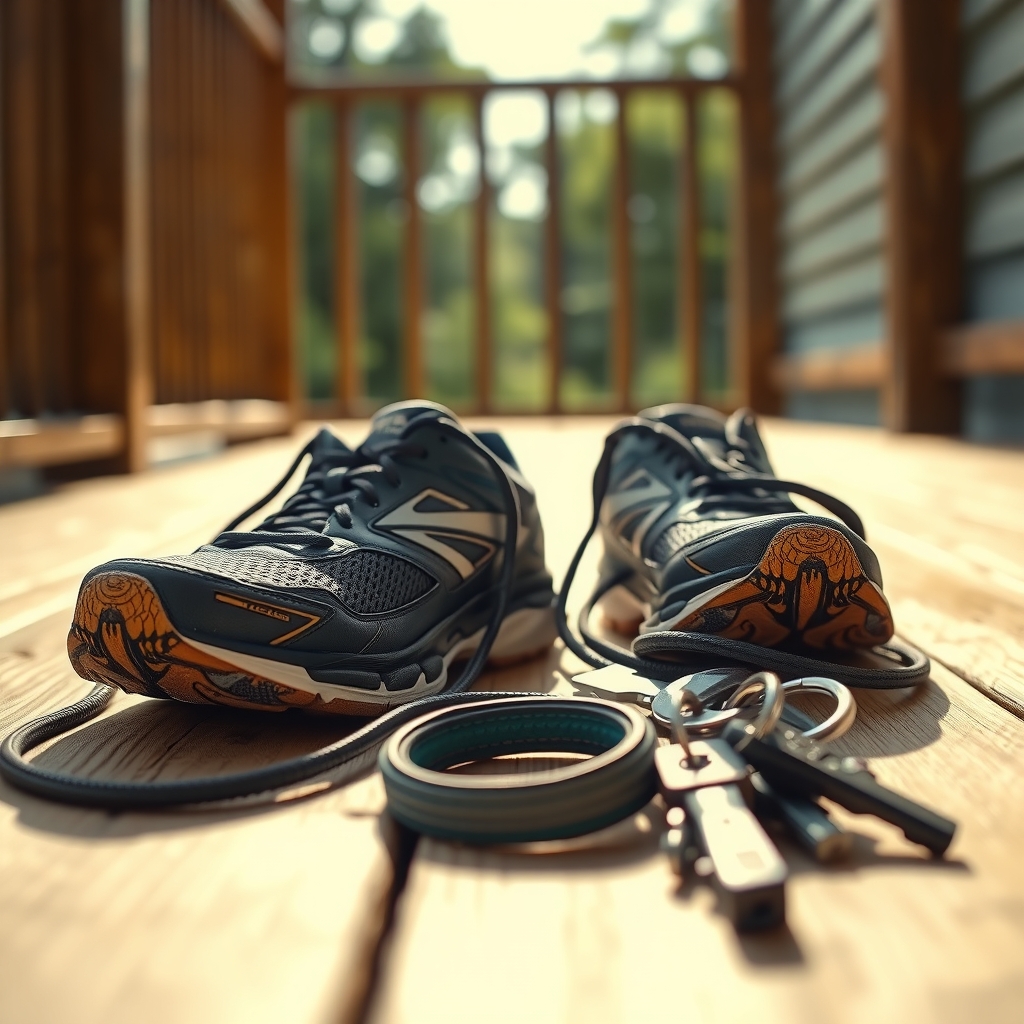
You open your phone at the end of the day and see a step count that barely moved. Between desk work, commuting, and evening fatigue, the idea of hitting a high target feels like another chore you don't have time for. This guide is for anyone who wants to move more without restructuring their whole life around a workout plan.
You will learn how to measure where you are right now and set a daily number that actually fits your schedule. From there, we show how to attach short walks to things you already do — coffee breaks, phone calls, school pickups — so the steps pile up without a separate "exercise" block. You will also get practical adjustments for walking more quietly on hard floors, carrying yourself with more presence, and moving in a way that feels natural and expressive.
- Know your real baseline and pick a target you can hit most days
- Fold walking into existing routines instead of adding new ones
- Tweak footwear, stride, and posture for comfort and confidence
- Build volume through five- to ten-minute micro-walks
If you have joint pain, dizziness, or a recent injury, check with a clinician before increasing daily walking volume.
Build a Baseline: Track Current Steps and Set a Realistic Daily Target
Start by wearing a phone or simple pedometer for three typical days without changing anything. Note the total at bedtime each night and write it down. The average of those three days is your true baseline — not a guess, not a goal, just data. Many people find they sit thousands of steps below where they assumed they were.
Next, pick a daily target that feels like a stretch but not a leap. A common approach is adding 500 to 1,000 steps to your baseline for the first week. If your average is 3,200, aim for 4,000. If it is 6,800, aim for 7,500. The number should be specific, measurable, and reachable on a normal weekday without heroic effort. Write it on a sticky note or set it as your device goal.
Track every day for two weeks. Use the same device in the same pocket or wrist position. Mark each day as hit or miss on a calendar or app. Do not judge the misses; just notice patterns. Most days under target? Drop the goal by 500 steps. Hitting it easily five days out of seven? Add 500 more for the next week.
- Keep the tracker charged and on your body before you get out of bed.
- Log the number before you brush your teeth at night.
- Adjust the target only on Sundays, never midweek.
If you have a health condition that affects mobility or balance, check with your doctor before setting a step goal. The aim is consistency, not a personal best.
Stack Walking onto Existing Routines: Commute, Chores, and Breaks
Look at your current schedule and spot the fixed anchors: the commute, household chores, and scheduled breaks. These are reliable hooks for extra steps because they already happen. For the commute, park at the far end of the lot or get off the bus one stop early. If you work from home, walk around the block before you sit down and again when you log off to simulate a transition. During phone calls that don’t require a screen, stand and pace. Even a slow wander around the room adds up over an hour.
Chores are hidden step opportunities. Carry groceries in one bag at a time. Fold laundry standing at a counter, then walk each stack to its room separately. While waiting for the microwave or the kettle, do laps of the kitchen or hallway. Take the trash out to the curb instead of the garage can. Sweep the porch or garage floor with a push broom; the back-and-forth motion covers surprising ground.
Scheduled breaks — coffee, lunch, the afternoon stretch — are ideal for micro-walks. Keep a pair of supportive shoes under your desk or by the door so there’s no friction to start. Walk for the first five minutes of your lunch break before you eat. Use the restroom on a different floor. Walk to a colleague’s desk instead of messaging.
If a day goes sideways and you miss a walk anchor, don’t discard the rest. Pick the next routine — maybe the evening dog walk or the post-dinner cleanup — and add two extra minutes there. Consistency across the week matters more than perfection on any single day.
Design Your Environment for Effortless Extra Steps Indoors and Out
Small changes to your surroundings can make extra steps happen without willpower. At home, place frequently used items just far enough to require movement. Keep the phone charger in the kitchen so you walk to check messages. Store the TV remote on a shelf in the hallway instead of the coffee table. Put a laundry basket at the top of the stairs so each load adds a climb. In the kitchen, set a timer across the room; when it beeps, you walk to turn it off. A standing desk or high counter lets you pace during calls without planning a workout.
Outdoors, park at the far end of the lot every time. Choose the entrance farthest from your destination at the mall or office park. If you take transit, get off one stop early and walk the rest. Walk around the block before checking the mailbox. Circle the playground while the kids play instead of sitting on the bench.
- Keep a pair of supportive slip-on shoes by the most used door so stepping out takes seconds.
- Set a recurring calendar reminder labeled "perimeter walk" for a two-minute lap of the building or yard.
- Use a water bottle that holds only a cup; refilling it forces regular trips to the kitchen.
- Arrange furniture to create clear walking paths rather than dead-end corners.
When weather or schedule blocks outdoor time, walk laps around the largest room or up and down a hallway. If a step goal feels out of reach on a chaotic day, aim for three five-minute indoor walks instead. Many people find that reducing friction works better than adding motivation. Consult a healthcare professional before significantly increasing activity if you have mobility concerns or chronic conditions.
Use Micro-Walks to Accumulate Volume Without Dedicated Workout Time
Micro-walks are short, intentional bouts of walking that last anywhere from one to five minutes. They require no special clothing, no travel to a gym, and no block of uninterrupted time. The goal is to sprinkle these tiny doses throughout the day so they add up to a meaningful step total without ever feeling like a workout.
Start by identifying natural transition points. When you finish a phone call, stand and pace the room for two minutes. While waiting for the kettle to boil, walk a figure-eight pattern through the kitchen and hallway. If you drive to work, park in the farthest spot and walk the lot before and after your shift. Parents can circle the playground perimeter while watching practice instead of sitting on the bench. Office workers can take the long route to the restroom or walk to a colleague’s desk instead of sending a message.
Keep a mental or written checklist of your personal micro-walk triggers: – Post-meal: walk for three minutes to aid digestion – Top of the hour: stand, stretch, walk one lap of the floor – Commercial break or episode credits: pace the living room – Waiting for a child, partner, or ride: walk circles nearby
If you miss a trigger, don’t try to make it up all at once. Just catch the next one. On days when pain, fatigue, or schedule chaos derail the plan, aim for a single five-minute walk at lunch or after dinner. Consistency over weeks matters more than perfection on any single day. If you have a heart condition, joint issue, or are new to regular movement, check with a doctor before increasing daily activity significantly.
If you want this in more depth, our book Vegetarian Protein Recipes: Complete Meals for Every Day covers it step by step.
Walk Quietly: Footwear, Stride Mechanics, and Surface Awareness
Walking quietly often comes down to three adjustable factors: what is on your feet, how your foot meets the ground, and what surface you choose. Start with footwear. A flexible sole that lets you feel the floor encourages a lighter landing. Thin rubber or leather outsoles transmit more sensory feedback than thick foam, so you naturally shorten your stride and reduce impact. If your shoes squeak, sprinkle a little baby powder or cornstarch under the insole to stop the friction noise. Replace worn heels promptly; an angled wear pattern forces a heavier heel strike.
Adjust your stride mechanics next. Aim to land with your foot under your hip rather than reaching far ahead. A shorter step reduces the braking force that creates a loud slap. Let your heel kiss the ground first, then roll smoothly through the midfoot to the toes. Keep your knees soft — locked knees transmit shock straight up the skeleton and amplify sound. Many people find that imagining they are walking on eggshells cues a quieter, more controlled gait.
Surface awareness completes the picture. Indoors, carpet, cork, or rubber flooring absorbs sound better than tile or hardwood. Outdoors, packed dirt, grass, or a running track is quieter than concrete or gravel. When you must cross a noisy surface, slow down and increase your step frequency; quicker, lighter steps generate less peak force per footfall.
- Choose shoes with flexible, thin soles and minimal tread noise.
- Shorten your stride so the foot lands under your center of mass.
- Roll from heel to toe with relaxed knees.
- Prefer softer surfaces when possible; adjust pace on hard ones.
If joint pain appears when you change your gait, check with a doctor or physical therapist before continuing.
Walk Confidently: Posture Cues, Gaze Direction, and Pace Control
Confidence in walking starts with a stable base. Stand tall with your feet about hip-width apart and imagine a string gently pulling the crown of your head toward the ceiling. Let your shoulders drop away from your ears and engage your core just enough to support your lower back without stiffening. This alignment reduces unnecessary tension and projects presence. Many people find that practicing this posture while waiting for the kettle to boil or standing in a checkout line builds the habit so it feels automatic on the move.
Your gaze directs your path and your mindset. Keep your chin parallel to the ground and look toward the horizon rather than down at your feet or your phone. Scanning the environment 10 to 15 feet ahead gives you time to navigate obstacles smoothly. If you need to check a message, stop completely, handle it, then reset your posture before moving again. This pause prevents the slumped, hurried look that comes from walking while distracted.
Pace control signals intention. Aim for a rhythm that feels purposeful but not rushed — roughly the speed you would use crossing a street before the light changes. Let your arms swing naturally from the shoulders, opposing your legs. If you notice yourself speeding up when stressed, deliberately slow your next ten steps and exhale fully. A metronome app set to a comfortable beats-per-minute can help you internalize a steady cadence during practice walks.
- Roll through each step from heel to toe rather than landing flat-footed.
- Keep hands relaxed, not clenched, to avoid radiating tension upward.
- Breathe in for three steps, out for three steps to calm the nervous system.
If you have balance concerns, joint pain, or dizziness, check with a doctor before making significant changes to your gait.
Walk with Feminine Expression: Hip Mobility, Arm Swing, and Rhythm Choices
Feminine walking expression often comes from subtle coordination between the hips, arms, and rhythm rather than any single exaggerated movement. Start with hip mobility. Tight hip flexors and glutes restrict the natural figure‑eight motion of the pelvis. A simple daily routine — standing hip circles, a kneeling lunge with a gentle side lean, and a supine knee‑to‑chest hold — can free that range in a few minutes. Do these after a walk when the tissues are warm; if you feel pinching in the front of the hip, shorten the stance or skip the deep lunge and check with a physical therapist if discomfort persists.
Arm swing shapes the overall silhouette. Let the arms hang loose, elbows bent roughly ninety degrees, and allow a relaxed front‑to‑back swing that counters the leg motion. Avoid crossing the midline or clamping the elbows to the ribs. If shoulders creep up, shake the arms out at a stoplight and reset. Many people find that holding a light object — a water bottle or phone — in one hand naturally encourages a more fluid, asymmetrical swing without forcing it.
Rhythm choices tie it together. A slightly shorter, quicker cadence tends to read as lighter and more graceful than long, loping strides. Try matching steps to a playlist around 110–120 beats per minute, then let the music fade and keep the tempo internally. If the pace feels rushed, lengthen the stride by an inch and slow the count; if it feels sluggish, quicken the turnover. Experiment on different surfaces — carpet, pavement, grass — to feel how ground feedback changes the rhythm. Small adjustments, repeated daily, build a walk that feels both efficient and expressive.
Putting It Together
Start Monday by wearing your tracker without changing anything. Note the average by Sunday night. Pick a daily target 500 to 1,000 steps above that number. Choose two anchor habits from earlier sections — parking farther away, a five-minute kitchen lap while coffee brews, a hallway walk after each bathroom break — and do only those for the first three days. Add one micro-walk on day four: a ten-minute loop after lunch or before dinner. Keep footwear consistent so quiet-stride practice stays familiar. On day five, layer in the posture cue you liked best — chin level, shoulders relaxed, eyes forward — during every walk longer than two minutes. Day six, experiment with a slightly wider arm swing or softer hip motion on one short walk to see what feels natural. Day seven, review the tracker. If you hit the target four of seven days, raise it by another 500 steps next week. If not, keep the target and swap one anchor habit for a different one. Adjust only one variable at a time. Check with a doctor before increasing activity if you have health concerns.
More from the blog
- How to Drink More Water Throughout the Day
- How to Stretch Your Hamstrings Safely After Sitting All Day
- How to Manage Sugar Cravings With Everyday Habits
From FitLife Solutions
Our book Vegetarian Protein Recipes: Complete Meals for Every Day goes further, as a digital eBook (PDF and EPUB) you can read on any device.
Browse all our practical health and fitness guides at fitlifesolutions.site.
New practical health guides and articles on WhatsApp: follow our channel.
This article is for general information only and is not a substitute for professional medical advice. Talk to your doctor or another qualified health professional before changing your diet, exercise or health routine, especially if you have a medical condition or take medication.