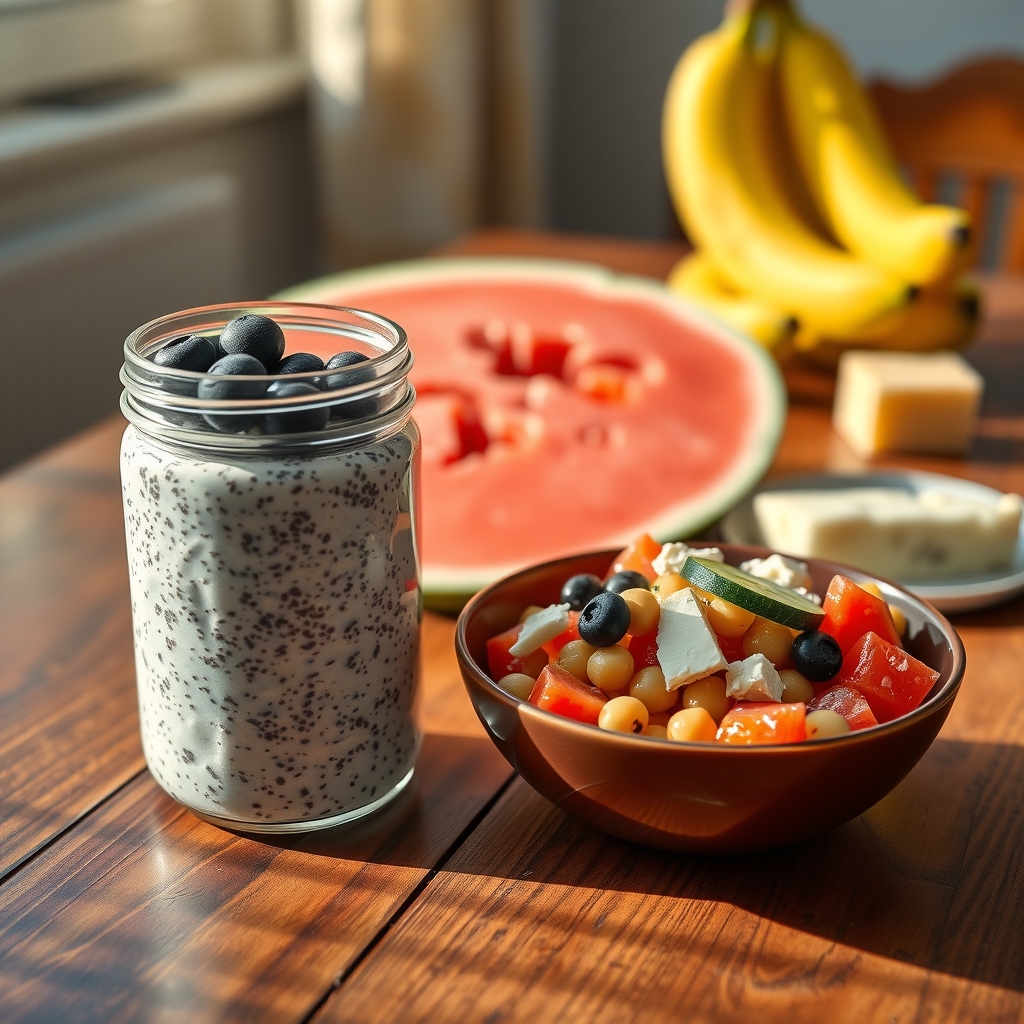
You open the fridge after a long shift or a late study session and the last thing you want is a stove. Maybe your kitchen is a hot plate and a mini-fridge, maybe the power is out, or maybe you just refuse to heat the apartment in July. This guide is for anyone who needs real meals — protein, fiber, color, crunch — without turning on a burner, spending a fortune, or living on protein bars.
After reading, you will be able to:
- Stock a no-cook pantry for roughly $50 that covers breakfast, lunch, and snacks for a week
- Pick ready-to-eat proteins that cost less per gram than takeout chicken
- Assemble five repeatable meal formulas that keep calories in check without counting
- Adapt the same framework whether you shop at Aldi, Tesco, a Manila wet market, or a campus convenience store
- Prep seven days of grab-and-go containers in half an hour on Sunday
No meal is perfect for every body. If you have specific health conditions or dietary restrictions, check with a doctor or registered dietitian before making big changes.
Smart Grocery Staples: Building a No-Cook Pantry for Under $50
Start by scanning your cupboards for what you already own — half a bag of oats, a jar of peanut butter, a few cans of beans — so you only buy what fills gaps. Aim to spend roughly thirty to forty dollars on shelf-stable basics and save the rest for fresh items like bananas, carrots, or a block of tofu that week. Shop the bulk bins or store-brand aisles for the lowest unit price on oats, brown rice, lentils, and sunflower seeds; a pound of each often costs under two dollars total. Canned fish, beans, and tomatoes are protein and flavor anchors — grab four to six cans when they are on sale. Add a large tub of plain yogurt or a shelf-stable carton of soy milk for calcium and creaminess in cold dishes. Round out the pantry with a jar of tahini or peanut butter, a bottle of vinegar, soy sauce, olive oil, and a shaker of dried herbs; these turn plain ingredients into meals without heat.
- Rolled oats (2 lb)
- Brown rice or quinoa (1 lb)
- Dry lentils or split peas (1 lb)
- Canned chickpeas, black beans, tuna, sardines (4–6 cans)
- Peanut butter or tahini (16 oz)
- Sunflower seeds or peanuts (1 lb)
- Canned diced tomatoes (2 cans)
- Olive oil, vinegar, soy sauce, dried oregano or cumin
- Plain yogurt or shelf-stable soy milk (32 oz)
- Fresh: bananas, carrots, cabbage, apples (rotate weekly)
If a can dents or a bag tears, transfer contents to a clean jar immediately to avoid waste. When prices spike, swap lentils for split peas or peanut butter for sunflower seed butter — similar nutrition, often cheaper. Many people find this core list covers breakfasts, lunches, and snacks for a week; adjust quantities to your appetite and check with a doctor if you have specific dietary needs.
Protein Without the Pan: Affordable Ready-to-Eat Sources That Keep You Full
Canned fish is one of the highest-protein, lowest-effort staples you can keep on hand. A standard 5-ounce can of chunk light tuna in water delivers around 20 grams of protein for well under a dollar in most US stores; sardines and mackerel often cost even less per gram and bring calcium and omega-3s with them. Look for sales on 4- or 12-packs and rinse briefly if sodium is a concern. Rotisserie chicken from the grocery deli works out to roughly $2 to $3 per pound of edible meat once you strip the skin and bones — shred it into containers for salads, wraps, or cold grain bowls. Hard-boiled eggs are another workhorse: a dozen large eggs often sell for $2 to $4, and you can buy them pre-cooked and peeled if your budget allows the markup. Cottage cheese and Greek yogurt (plain, large tubs) hit 12 to 20 grams of protein per cup; portion them into single-serve jars with a spoonful of peanut butter or a drizzle of honey to balance the tang.
- Canned beans and lentils: drain, rinse, toss with vinegar and oil for an instant 7 to 9 gram protein base.
- Smoked tofu or vacuum-packed firm tofu: cube straight into noodle salads; 10 to 14 grams per 3-ounce block.
- Jerky or biltong: watch sugar and sodium, but 9 to 12 grams per ounce makes it a shelf-stable backup.
- Edamame (frozen, shelled): thaw under running water for 9 grams per half-cup.
- Cheese sticks or mini Babybel rounds: 5 to 7 grams each, portion-controlled.
If a protein source feels repetitive, rotate two or three each week rather than buying ten kinds at once. Many people find that keeping three "grab bins" in the fridge — one for fish, one for dairy, one for plant — makes assembly automatic. Check with a doctor if you have specific sodium or cholesterol restrictions before relying heavily on cured or canned items.
Assembly-Only Meals: 5 No-Heat Formulas for Weight-Loss Friendly Lunches
Start with a base of pre-washed salad greens or shredded cabbage; they cost less per serving than bagged mixes and last longer. Add a ready-to-eat protein such as canned light tuna, drained canned chicken, hard-boiled eggs from the deli case, or a scoop of cottage cheese. Layer in a fiber-rich carbohydrate like canned beans rinsed well, pre-cooked lentils from the vacuum pouch, or a handful of microwaveable rice you let cool. Finish with a healthy fat — a quarter avocado, a sprinkle of sunflower seeds, or a drizzle of olive oil — and a no-sugar dressing such as lemon juice with mustard or a tablespoon of Greek yogurt thinned with water. Many people find this ratio keeps them full through the afternoon without the crash that follows refined carbs.
- Mexican bowl: black beans, corn, salsa, rotisserie chicken, cabbage slaw, lime
- Mediterranean jar: chickpeas, cucumber, tomato, feta, olives, oregano, red-wine vinegar
- Asian slaw: shredded carrots, edamame, shelled peanuts, pre-cooked shrimp, ginger-soy drizzle
- Italian antipasto: white beans, pepperoncini, artichoke hearts, salami slices, basil, balsamic
- Curried lentil salad: vacuum-pack lentils, raisins, celery, cashews, curry powder, yogurt dressing
If a can tastes metallic, rinse the contents under cold water for thirty seconds. When greens wilt early, toss them into the next day’s smoothie or stir into hot oatmeal. Portion each formula into wide-mouth jars with dressing at the bottom; they stay crisp for four days. Adjust salt after assembling, not before, because canned items vary. Check with a doctor if you need to limit sodium or potassium for medical reasons.
Dorm-Room & Tiny Kitchen Hacks: Eating Well in College Without a Stove
Living in a dorm or a tiny apartment often means sharing one microwave or having zero counter space, but you can still build satisfying meals with a few compact tools and smart habits. Start with a sturdy 1.5-quart food storage container that doubles as a mixing bowl — use it to combine canned beans, pre-washed greens, and a squeeze pouch of tuna or chicken, then eat straight from it to skip dishes. A small insulated lunch bag with a slim ice pack keeps Greek yogurt, string cheese, or hummus safe all day between classes, and a collapsible silicone bowl stores flat in a drawer but expands for hearty salads or grain bowls.
Keep a "pantry bin" under your bed or on a high shelf: stock single-serve olive oil packets, shelf-stable tofu, vacuum-sealed beets, instant oatmeal cups, and nut butter jars. These survive temperature swings and don’t need refrigeration until opened. For flavor without bulk, carry a mini spice kit — salt, pepper, red pepper flakes, and garlic powder in tiny screw-top containers from the travel aisle.
- Wash produce in a colander in the bathroom sink; spin dry in a clean pillowcase if there’s no salad spinner.
- Use a manual can opener (the $2 metal kind) — electric ones break and take outlets.
- Prep three days of lunches at once: layer dressing, sturdy veg, protein, and greens in jars so nothing gets soggy.
- If the shared fridge is unreliable, freeze a water bottle overnight; it chills your lunch bag and becomes drinking water by noon.
Many people find a $15 electric kettle (if allowed) invaluable for instant oats, couscous, or rehydrating dried mushrooms — check your housing rules first. When space is truly tight, prioritize calorie-dense, nutrient-rich items like peanut butter, canned mackerel, and sunflower seeds over bulky low-calorie fillers. If you have dietary restrictions or health conditions, check with a doctor or campus dietitian before relying heavily on shelf-stable proteins.
If you want this in more depth, our book Vegetable-Forward Cooking: Simple Methods for Everyday Meals covers it step by step.
Regional Price Hacks: Adapting No-Cook Strategies for UK, Philippines & US Markets
Prices and product availability shift dramatically between countries, so a no-cook pantry that works in Ohio needs tweaking for London or Manila. In the US, canned beans, rotisserie chicken, and Greek yogurt are often the cheapest ready-to-eat proteins per gram; store brands at Aldi, Walmart, or Costco keep the bill low. Canned tuna or salmon packed in water is a staple, but watch sodium if you're eating it daily. Frozen edamame thaws in the fridge and adds plant protein without cooking. For produce, bagged coleslaw mix, baby carrots, and frozen berries offer the most nutrition per dollar with zero prep.
In the UK, tinned pulses (baked beans, butter beans, chickpeas) are pantry gold — often under £0.50 a tin at supermarkets like Lidl, Aldi, or Tesco value lines. Reduced-fat hummus, quark, and cottage cheese provide high protein for £1–£1.50 per pot. Look for "wonky veg" boxes or frozen chopped onions, peppers, and spinach to skip chopping. Tinned mackerel in tomato sauce delivers omega-3s cheaper than fresh fish. Oatcakes or wholemeal wraps store well and need no toasting.
In the Philippines, sardines in tomato sauce (like Mega or Ligo) and canned tuna flakes in oil are affordable protein anchors at ₱15–₱25 per can. Pair with instant brown rice or microwaveable plain rice packs (₱20–₱30) if you have a kettle or microwave. Fresh options: boiled eggs from the corner store (₱8–₱10 each), tokwa (firm tofu) eaten cold with vinegar-soy dip, and unripe mango or guava for vitamin C. Wet markets often sell pre-shredded green papaya or carrots for ensalada cheaper than supermarkets. Shelf-stable UHT milk or soy milk boxes (₱25–₱35) work for overnight oats.
- US: Rotisserie chicken, canned beans, Greek yogurt, frozen edamame, bagged slaw
- UK: Tinned pulses, quark, cottage cheese, tinned mackerel, frozen veg mixes
- Philippines: Canned sardines/tuna, boiled eggs, tokwa, UHT milk, wet-market pre-cut veg
Always compare unit prices (per 100g or per serving) rather than shelf price. Many people find that shopping late for markdowns on ready-to-eat proteins — rotisserie chicken, pre-cooked prawns, tofu packs — cuts costs 30–50%. If a staple spikes in price, swap to another protein in the same category (e.g., canned salmon for tuna, lentils for chickpeas) rather than dropping the meal format. Check with a doctor if you have sodium restrictions or specific dietary needs before relying heavily on canned or processed items.
Reddit-Tested Shopping Lists: Community-Vetted Buys That Maximize Nutrition per Dollar
Reddit communities like r/EatCheapAndHealthy and r/MealPrepSunday consistently highlight a handful of items that deliver maximum nutrition for minimal spend without ever touching a stove. The consensus centers on canned fish, legumes, eggs, and strategic produce choices that stay fresh for days. A typical "starter haul" discussed in weekly threads often looks like this:
- Canned light tuna or sardines in water (watch for sales at $0.80–$1.20 per can)
- Canned chickpeas, black beans, and lentils ($0.60–$0.90 per can; dry bags are cheaper if you can soak overnight)
- Dozen large eggs (often the cheapest complete protein per gram)
- Bulk rolled oats and peanut butter for breakfasts and calorie density
- Carrots, cabbage, onions, and apples — the produce that lasts two weeks in a crisper drawer
- Frozen spinach or mixed vegetables (cheaper than fresh, zero waste)
- Block cheddar or mozzarella (grate yourself; pre-shredded costs more and dries out)
- Greek yogurt tubs (plain, 32 oz) for protein, probiotics, and sauces
- Whole-wheat tortillas or pita (freeze extra packs)
Many people find that buying store brands for the canned and pantry items cuts 20–30% off the bill with no noticeable quality drop. A common failure point is grabbing "healthy" labeled snacks — roasted chickpea packets, protein bars, veggie straws — which inflate cost per calorie. If your cart exceeds budget, swap the snacks for an extra can of beans and a banana. Shoppers in high-cost areas report success splitting bulk warehouse trips with a friend to hit unit prices without storage issues. Always compare price per ounce on the shelf tag; the larger jar isn't always the better deal. If you have specific dietary restrictions or health conditions, check with a doctor or dietitian before making major shifts.
Cold Meal Prep Systems: Batch-Assembling 7 Days of Healthy Meals in 30 Minutes
Spend thirty minutes on Sunday and you can walk away with a week of grab-and-go meals that never touch a stove. Start by clearing a clean surface and lining up seven identical containers — wide-mouth jars or rectangular boxes work best for stacking. Choose two base formulas from the earlier section (for example, the bean-and-grain bowl and the tuna-and-veggie salad) so you only prep two component sets but get variety through different toppings.
Batch the shelf-stable bases first. Drain and rinse three cans of beans, mix with two cups of pre-cooked microwaveable rice or quinoa pouches, and portion into four containers. In the other three, flake two cans of tuna or chicken, stir in a spoonful of mayo or Greek yogurt, and fold in a bag of pre-shredded coleslaw mix for crunch. Keep wet ingredients separate: pack cherry tomatoes, cucumber chunks, and berries in small zip-top bags or silicone cups so they stay crisp until lunch.
Add flavor layers last. Divide a bulk tub of hummus, a jar of salsa, and a squeeze bottle of vinaigrette into tiny condiment containers. Sprinkle nuts, seeds, or shelf-stable cheese crisps into snack-size bags. Seal everything, stack in the fridge, and label lids with a dry-erase marker if you share space.
When a container leaks or greens wilt early, swap the wet veg into a fresh bag and eat that meal first. If appetite shifts, remix tomorrow’s base with a different sauce or add a hard-boiled egg from the store-bought pack. The system flexes — you stay fed.
Putting It Together
Start with a single grocery trip using the pantry staples and proteins that fit your local prices. Spend the first evening washing and portioning produce — rinse canned beans, chop cabbage or carrots, divide nuts and seeds into small containers. Assemble three lunch jars using the grain-plus-bean-plus-vegetable formula; keep dressing separate until you eat. Make two breakfast jars with oats, milk or water, chia, and whatever fruit is cheapest this week. For dinners, plan three no-cook plates: canned fish with pre-washed greens and a spoonful of hummus, cottage cheese with cucumber and whole-grain crackers, and a bean salad with corn, peppers, and a squeeze of lime. Keep the remaining proteins and produce visible at eye level in the fridge so they get used first.
- Day 1–2: Eat the assembled lunches and breakfasts; adjust portion sizes if you feel hungry or overly full.
- Day 3: Swap one lunch for a peanut-butter wrap with banana if you need variety.
- Day 4–5: Use leftover chopped vegetables in a quick tuna or chickpea salad; add a hard-boiled egg if you have access to a kettle.
- Day 6–7: Finish open jars, then note what ran out and what you barely touched.
If something spoils or you tire of a combination, replace just that component next week rather than overhauling the whole system. Many people find a 15-minute Sunday reset keeps the rhythm going. Check with a doctor before making major dietary changes if you have health conditions.
More from the blog
- How to Pack Nutritious Work Lunches Without a Microwave, Fridge, or Cooking
- Why Restaurant Meals Often Undermine Health Goals
- How to Stop Eating Out of Boredom and Make Intentional Food Choices
From FitLife Solutions
Our book Vegetable-Forward Cooking: Simple Methods for Everyday Meals goes further, as a digital eBook (PDF and EPUB) you can read on any device.
Browse all our practical health and fitness guides at fitlifesolutions.site.
New practical health guides and articles on WhatsApp: follow our channel.
This article is for general information only and is not a substitute for professional medical advice. Talk to your doctor or another qualified health professional before changing your diet, exercise or health routine, especially if you have a medical condition or take medication.