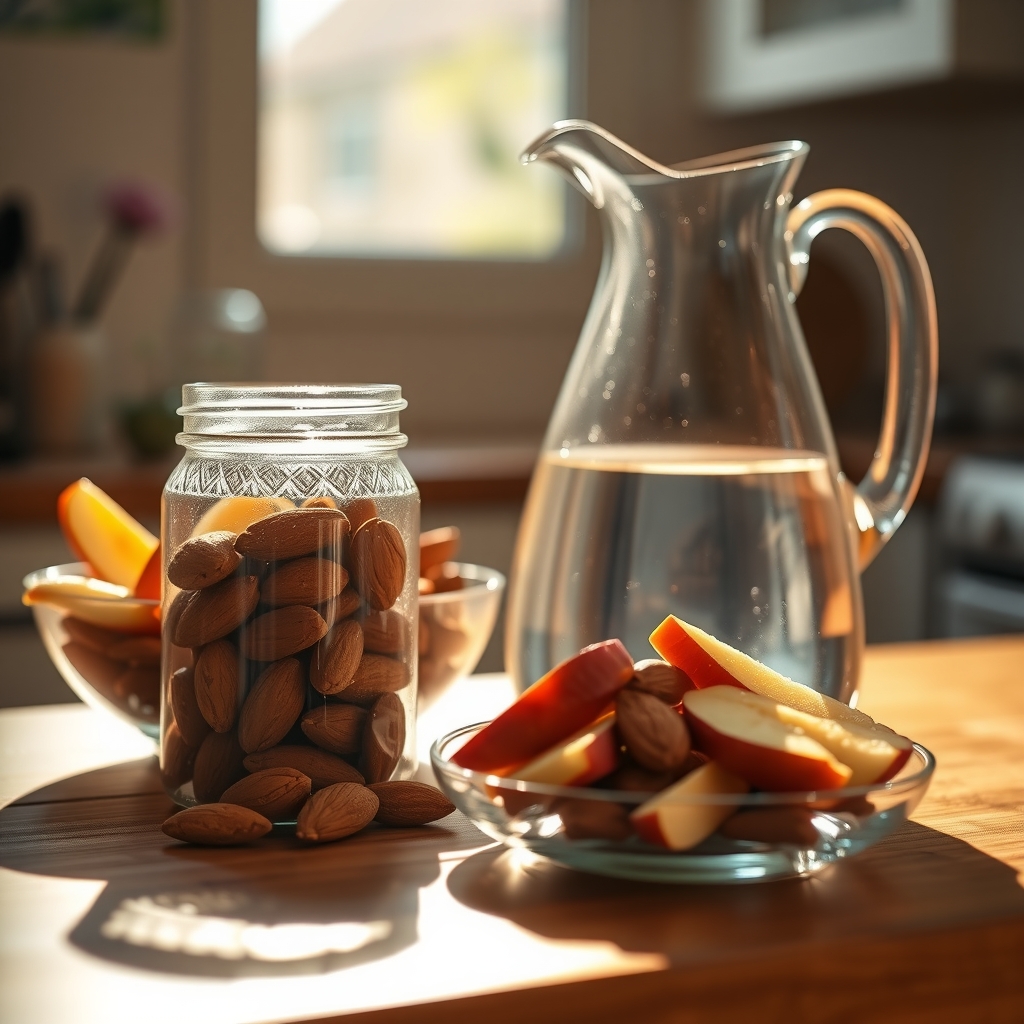
You reach for something sweet at 3 p.m., after dinner, or whenever stress hits, and it feels automatic rather than enjoyable. This article is for anyone who wants to understand those urges and respond with choices that actually stick, without relying on willpower alone or cutting out every treat forever.
After reading, you will be able to:
- Recognize the common physical and emotional triggers that drive the desire for sugar
- Build meals and snacks that keep blood sugar steadier throughout the day
- Use hydration, sleep, and stress tools to lower the baseline intensity of cravings
- Swap high-sugar foods for satisfying alternatives that do not spike and crash your energy
- Create an evening routine that quiets the late-night pull toward dessert
- Set up your kitchen and shopping habits so the easier choice is the one that serves you
These are practical, everyday adjustments. If you have a medical condition or take medication that affects blood sugar, check with your doctor before making significant dietary changes.
Why Your Body Signals for Sugar and What It Actually Needs
A craving for something sweet often feels like a simple desire for pleasure, but it is frequently a biological signal that something else is missing. When blood glucose drops after a meal high in refined carbohydrates, the brain pushes for the fastest energy source available: sugar. That urge can also mask dehydration, since thirst signals are often misread as hunger. In other cases, the body is asking for specific nutrients — magnesium, chromium, or B vitamins — that play roles in energy metabolism and neurotransmitter balance. Chronic stress amplifies the drive by raising cortisol, which increases appetite for quick fuel. Poor sleep disrupts ghrelin and leptin, the hormones that regulate hunger and fullness, making sweet foods feel disproportionately rewarding.
Many people find it helpful to pause and run a quick internal checklist before reaching for a treat:
- Drink a glass of water and wait ten minutes; the urge often fades if thirst was the driver.
- Ask whether the last meal included adequate protein, fiber, and healthy fat to stabilize glucose.
- Consider whether stress, boredom, or fatigue is the real trigger rather than physical hunger.
- Note if cravings follow a predictable pattern, such as mid-afternoon or late evening, which points to a rhythm issue rather than a nutrient gap.
If intense cravings persist despite balanced meals, hydration, and rest, it may be worth discussing blood work with a doctor to rule out deficiencies or insulin resistance. Understanding the signal lets you address the root cause instead of repeatedly silencing it with sugar.
Balancing Blood Sugar With Regular Protein-Rich Meals
Eating at regular intervals with a solid protein source at each meal helps keep blood sugar steady, which in turn quiets the loud demands for something sweet. When meals are skipped or built mostly around refined carbs, glucose rises quickly and then drops just as fast. That crash is often what your brain interprets as an urgent need for sugar. Protein slows digestion, blunts the spike, and stretches the time before hunger returns.
Aim to eat within an hour of waking and then every four to five hours after that. Breakfast might be Greek yogurt with nuts and berries, eggs with sautéed greens, or a smoothie blended with protein powder, chia seeds, and a handful of spinach. Lunch and dinner follow the same pattern: a palm-sized portion of chicken, fish, tofu, beans, or lentils paired with fiber-rich vegetables and a modest serving of whole grains or starchy veg. Snacks work best when they pair protein with fiber — think cottage cheese with cucumber, a hard-boiled egg with an apple, or hummus with carrot sticks.
- Keep hard-boiled eggs, roasted chickpeas, or single-serve nut packets visible in the fridge or pantry so they’re the easiest grab.
- Prep a batch of grilled chicken, baked tofu, or cooked lentils on Sunday to drop into meals all week.
- If you’re vegetarian or vegan, combine legumes with grains or seeds across the day to cover essential amino acids.
If a craving still hits 30 minutes after a balanced meal, drink a glass of water and wait ten minutes; thirst often masks as hunger. Many people find that consistent protein timing reduces the intensity of sweet urges within a week or two. If you have kidney concerns or other medical conditions, check with your doctor before significantly increasing protein intake.
Hydration and Sleep Habits That Reduce Sweet Urges
Even mild dehydration can feel like hunger or a specific urge for something sweet. Many people find that drinking a glass of water first thing in the morning and then sipping steadily throughout the day takes the edge off afternoon cravings. A practical rhythm is a full glass upon waking, one with each meal, and one between meals. If plain water feels boring, add a slice of cucumber, a few berries, or a sprig of mint without adding sugar. Herbal teas — especially peppermint, rooibos, or cinnamon — can satisfy the desire for a "treat" flavor without affecting blood glucose. Keep a visible bottle or mug on your desk or counter as a visual cue; out of sight often means out of mind.
Sleep deprivation disrupts the hormones that regulate appetite, typically raising ghrelin (hunger) and lowering leptin (fullness). This biological shift makes high-sugar, high-fat foods significantly more appealing the next day. Aim for a consistent bedtime and wake time, even on weekends. An hour before bed, dim the lights and put screens away or use a blue-light filter. A cool, dark room and a short wind-down routine — reading, gentle stretching, a warm shower — signal to your body that it is time to rest. If you wake in the night, avoid checking the time, which can spike cortisol and make it harder to fall back asleep.
- Drink 16–20 ounces of water within 30 minutes of waking.
- Set a phone reminder for a mid-morning and mid-afternoon water break.
- Choose herbal tea over a sweetened latte for the 3 p.m. slump.
- Stop caffeine by early afternoon to protect sleep quality.
- Keep the bedroom for sleep and intimacy only; no work or scrolling.
If you have a medical condition that restricts fluid intake or affects sleep, check with your doctor before making major changes to hydration or sleep schedules.
Smart Food Swaps That Satisfy Without the Sugar Spike
When a sweet urge hits, the goal is not to white-knuckle through it but to meet the craving with something that steadies blood sugar instead of spiking it. A good swap keeps the texture or flavor you want while adding protein, fiber, or healthy fat to slow absorption.
If you reach for candy, try a square of 70 percent dark chocolate with a few almonds. The fat from the nuts blunts the glucose rise, and the richer chocolate satisfies with less sugar. For a cookie habit, spread a tablespoon of peanut butter on a rice cake and top with thin banana slices; you get crunch, creaminess, and natural sweetness without the refined flour bomb. When ice cream calls, blend frozen berries with half a frozen banana and a splash of unsweetened soy milk — thick, cold, and naturally sweet. Many people find that a cup of plain Greek yogurt stirred with cinnamon and a drizzle of tahini hits the same dessert note while delivering 15-plus grams of protein.
- Swap soda for sparkling water with a squeeze of lime and a dash of bitters (non-alcoholic).
- Replace sweetened granola with toasted oats, pumpkin seeds, and a pinch of salt.
- Trade jam on toast for smashed raspberries mixed with chia seeds.
- Choose a date stuffed with walnut halves instead of a caramel.
If you overdo a swap — say, three dates become ten — don’t spiral. Drink a large glass of water, move your body for five minutes, and make the next meal protein-forward. If cravings feel unmanageable daily, consider checking with a doctor or dietitian to rule out nutrient gaps or blood sugar dysregulation.
Managing Stress and Emotional Triggers Without Dessert
Stress and emotions often drive the urge for something sweet more than physical hunger does. When cortisol rises, the brain looks for a quick energy source, and sugar fits the bill. The habit forms because the relief feels immediate, even if it lasts only minutes. Breaking that loop starts with noticing the difference between a craving that builds slowly and one that hits suddenly after a difficult email, argument, or long day.
Pause for thirty seconds before you reach for a treat. Ask yourself what you are actually feeling — bored, anxious, lonely, tired — and name it. That small gap weakens the automatic response. Keep a short list of non-food ways to shift your state so you don’t have to improvise in the moment:
- Step outside for five minutes of fresh air and slow breathing
- Write three lines in a notebook about what’s bothering you
- Drink a glass of cold water or herbal tea
- Stretch or do ten bodyweight squats
- Text a friend or play a favorite song
If you still want something sweet after trying one of these, have a planned portion — a square of dark chocolate, a few berries, a spoonful of nut butter — and eat it slowly without distraction. This keeps you in control rather than reacting on autopilot.
When the pattern feels stuck or the urge feels compulsive, consider talking with a therapist or a registered dietitian who works with emotional eating. They can help you map triggers and build replacement behaviors that fit your life. Many people find that consistent sleep, regular meals, and a brief daily walk lower the baseline stress that fuels the cravings in the first place.
A Practical Evening Routine to Stop Nighttime Cravings
Nighttime cravings often show up when the day winds down and willpower runs low. A consistent evening routine can interrupt the autopilot walk to the kitchen. Start by setting a firm "kitchen closed" time, ideally two to three hours before bed. After that point, brush your teeth or rinse with a strong mint mouthwash; the clean-mouth signal helps many people decide eating is done for the day.
If hunger feels genuine, keep a pre-portioned option ready: a small Greek yogurt with a few berries, a tablespoon of nut butter on a celery stick, or a hard-boiled egg. Put it on a plate, sit at the table, and eat without screens. This pause lets you check whether you are physically hungry or just bored, anxious, or tired.
Build a wind-down ritual that replaces the dopamine hit of sweets. Try: – A caffeine-free herbal tea such as chamomile, rooibos, or peppermint, sipped slowly. – Five minutes of gentle stretching or breathing exercises to lower cortisol. – Reading a physical book or listening to a calm podcast instead of scrolling, since blue light and stimulating content can spike cravings.
If you slip and eat something sweet, avoid the "ruined evening" spiral. Drink a glass of water, note what triggered the urge, and return to your wind-down steps. One choice does not erase the routine. If nighttime hunger persists despite balanced daytime meals, consider discussing it with a healthcare provider to rule out blood-sugar regulation issues or medication effects.
Building a Sustainable Low-Sugar Environment at Home
Start by auditing what sits on your counters, in your fridge, and at eye level in the pantry. If the first thing you see is a cookie jar or a box of granola bars, that becomes the default choice when hunger or boredom hits. Move those items to a high shelf or an opaque container in the back. Replace the visible spots with a bowl of washed fruit, a jar of raw nuts, or pre-portioned cheese and whole-grain crackers. The goal is not to ban treats but to add a small pause between impulse and action.
Next, set up a "prep once, eat all week" habit. Spend twenty minutes on Sunday washing berries, slicing cucumbers, boiling eggs, and portioning hummus into small containers. When a craving strikes at 3 p.m., you can grab a ready-made snack instead of deciding what to make. Keep a pitcher of water with lemon or cucumber slices front and center in the fridge so it competes visually with juice or soda.
- Store baking supplies (chocolate chips, sprinkles, frosting) in a separate bin on a high shelf rather than mixed with everyday cooking ingredients.
- Keep a small "treat drawer" for planned desserts — one or two single-serve items you genuinely enjoy — so you don't feel deprived and then overdo it later.
- Use clear containers for healthy staples (oats, lentils, roasted chickpeas) and opaque ones for sweets.
- If other household members want different foods, ask them to keep their snacks in a designated cupboard you don't open daily.
Finally, build a simple checkout rule: nothing goes into the cart that isn't on your list. Shop after a meal, not when hungry, and stick to the perimeter aisles first. If a craving-driven purchase slips in, don't scold yourself — just note it and adjust the environment next week. Many people find that reducing visual cues and decision fatigue does more than willpower alone. If you have a health condition affected by diet, check with your doctor before making major changes.
Putting It Together
Start with one small anchor habit you can repeat daily. Many people find that eating a protein-rich breakfast within an hour of waking sets a steadier tone for the day. Pair it with a full glass of water before coffee. Keep lunch and dinner on a loose schedule — roughly every four to five hours — so hunger doesn’t ambush you. If afternoons are your danger zone, prep a satisfying swap the night before: Greek yogurt with berries, a handful of almonds with an apple, or hummus and veggie sticks. When a craving hits, pause for two minutes. Drink water. Breathe. Ask whether you’re hungry, tired, bored, or stressed. If you’re still hungry, eat the planned snack. If it’s emotional, try a five-minute walk, a text to a friend, or writing three lines in a notebook.
- Set a consistent bedtime and dim lights 30 minutes before sleep.
- Keep trigger foods off the counter and out of eye level.
- Review each evening: what worked, what felt hard, what to adjust tomorrow.
If cravings feel unmanageable or you suspect blood sugar issues, check with a doctor. Progress builds from repetition, not perfection.
More from the blog
- How to Stop Eating Out of Boredom and Make Intentional Food Choices
- How to Strength Train at Home With and Without Equipment
- How to Drink More Water Throughout the Day
From FitLife Solutions
Browse all our practical health and fitness guides at fitlifesolutions.site.
New practical health guides and articles on WhatsApp: follow our channel.
This article is for general information only and is not a substitute for professional medical advice. Talk to your doctor or another qualified health professional before changing your diet, exercise or health routine, especially if you have a medical condition or take medication.