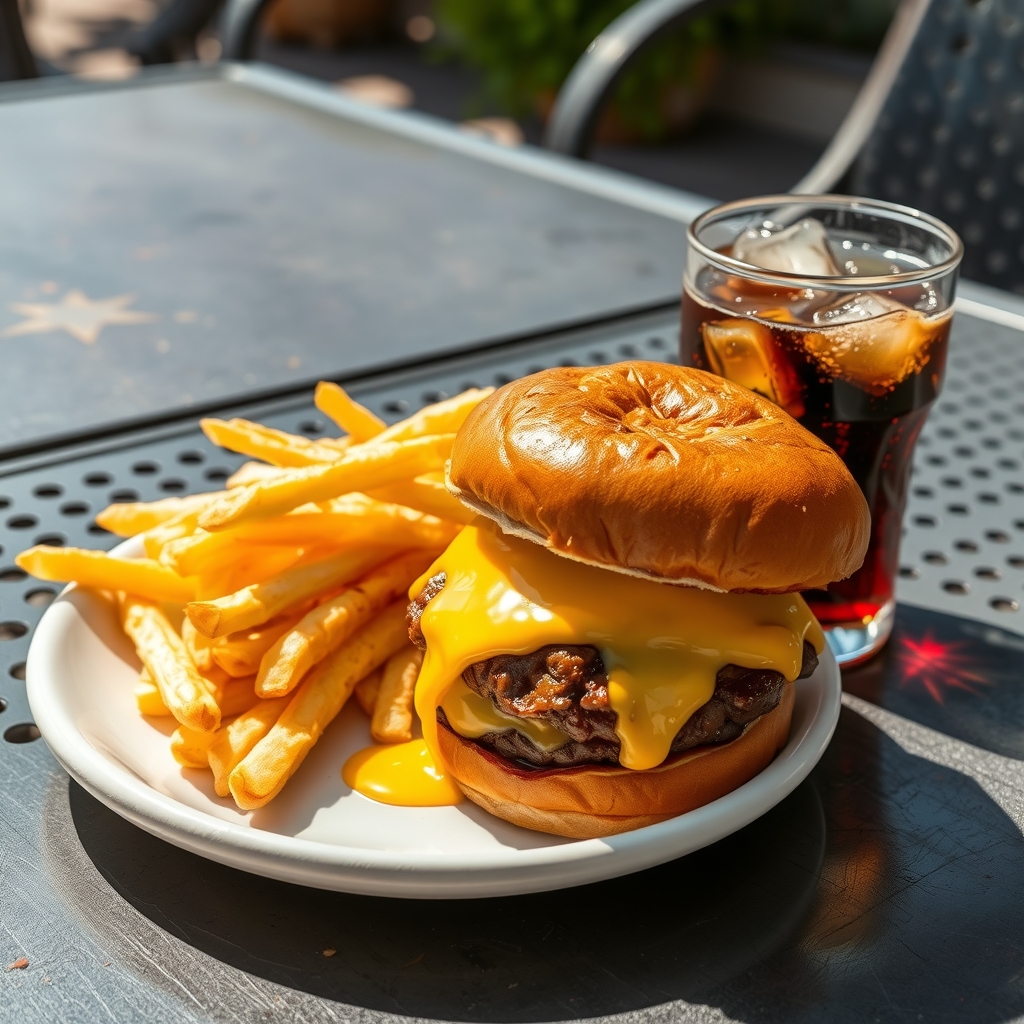
You sit down at a restaurant intending to order something light, and thirty minutes later you realize the "healthy" salad arrived drenched in dressing, the portion could feed two people, and you have no real idea what went into the sauce. This section is for anyone who wants to enjoy meals out without routinely undoing the eating habits they maintain at home. It speaks to people managing weight, blood pressure, blood sugar, or simply trying to feel better after dinner.
After reading, you will be able to:
- Spot the menu language and preparation cues that signal extra calories, sodium, and saturated fat
- Ask specific, polite questions that get you useful information without slowing down service
- Adjust portion size in real time using simple plate strategies
- Navigate social pressure and "clean plate" habits without awkwardness
- Build a personal fallback plan for the nights when the menu offers nothing that fits your goals
You will finish with a practical toolkit you can use at your very next meal out.
Hidden Calories and Portion Distortion in Restaurant Meals
Restaurant kitchens are built for consistency and speed, not for your personal nutrition targets. A "serving" of pasta on a menu often weighs two to three times what a standard reference portion looks like, and the plate arrives already sauced, buttered, or finished with oil. Many people find they eat everything in front of them simply because it is there, especially when conversation distracts from fullness cues. Appetizers, bread baskets, and "shareable" sides add another layer of calories before the main course even lands.
- Ask for a to-go box when the food arrives and set aside half the portion immediately.
- Order an appetizer as your main dish and add a side of steamed vegetables or a simple salad.
- Request sauces, dressings, and butter on the side so you control how much gets used.
- Split an entrée with a dining companion and order an extra vegetable side to fill the gap.
- Skip the bread basket or ask the server not to bring it; out of sight makes it easier to skip.
If you overeat at one meal, the next step is not restriction but a return to your normal pattern: hydrate, move a little, and eat the next meal when you are actually hungry. Checking in with a registered dietitian can help you translate restaurant portions into your daily needs without guesswork.
Excessive Sodium, Sugar, and Unhealthy Fats in Prepared Foods
Restaurant kitchens rely on sodium, sugar, and certain fats to deliver consistent flavor quickly and to extend shelf life. A single entrée can contain more than a day’s worth of sodium, often coming from broths, marinades, cured meats, cheese, and the heavy hand on the salt shaker during every cooking step. Added sugars appear not just in desserts but in salad dressings, glazes, barbecue sauces, and even tomato-based pasta sauces to balance acidity. Unhealthy fats show up in the oil used for deep frying, the butter finished on steaks and vegetables, and the partially hydrogenated oils still found in some shelf-stable bakery items and fryer shortenings.
These ingredients are rarely listed on the menu, and servers may not know the exact amounts. You can reduce exposure with a few specific habits:
- Ask for sauces, dressings, and gravies on the side so you control the quantity.
- Request that vegetables and proteins be prepared without added butter or oil; many kitchens will steam or dry-grill on request.
- Choose grilled, roasted, or poached items over fried, breaded, or "crispy" descriptions.
- Skip the free bread basket or ask the server to remove it after one piece.
- Opt for oil and vinegar instead of creamy house dressings.
- Share a dessert or order a fruit-based option if you want something sweet.
If you have high blood pressure, diabetes, or lipid concerns, check with your doctor about daily sodium, sugar, and fat targets so you have concrete numbers to guide your choices.
Lack of Ingredient Transparency and Cooking Method Control
When you cook at home, you decide exactly what goes into the pan. At a restaurant, that control largely disappears. Menus rarely list the type of oil used for sautéing, whether a sauce base contains added thickeners or preservatives, or if vegetables were blanched in salted water before hitting the plate. A dish described as "grilled" may still be finished with a heavy brush of butter or oil, and "roasted" items are often tossed in more fat than you would use at home. Even simple-sounding proteins can be pre-marinated in solutions high in sodium or sugar that the menu does not disclose.
Cooking methods also change the nutritional profile in ways you cannot see. Deep-frying is obvious, but pan-frying often uses far more oil than a home cook would add. High-heat searing can create compounds some people prefer to limit, while long braises may concentrate sugars from reduced sauces. Cross-contact is another factor; grills and fryers handle many different proteins and allergens, making it difficult to avoid specific ingredients if you have sensitivities.
You can regain some footing by asking direct questions: – Ask what oil the kitchen uses for cooking and finishing. – Request sauces, dressings, and marinades on the side. – Confirm whether vegetables are steamed, boiled, or sautéed, and ask for "dry" preparation if possible. – Inquire about pre-marinades or brines on meats and fish.
Many people find that servers are willing to check with the chef when questions are specific and polite. If the staff cannot answer, choosing simply prepared items — like a plain grilled fish or steamed vegetables — reduces the unknowns. People managing specific health conditions should check with a doctor or dietitian about which hidden ingredients matter most for their situation.
The Psychology of Menu Design and Overordering Triggers
Restaurants design menus to guide your eyes and wallet toward high-margin items, often the ones least aligned with health goals. Descriptive language like "crispy," "smothered," or "artisan" triggers cravings, while strategic placement — top right corner, highlighted boxes, or a separate "chef's specials" insert — draws attention first. Photos of indulgent dishes increase order rates, and removing dollar signs or using rounded numbers ($14 vs $13.99) reduces the pain of paying. Decoy pricing makes a $28 entrée look reasonable next to a $42 one, pushing you toward the middle option rather than a lighter choice.
Portion framing works similarly. "Half portions" or "lunch sizes" often appear only on request, while the default plate is calibrated for value perception, not satiety. Free bread, chips, or amuse-bouche arrive before you decide, stimulating appetite and committing you to the meal. Servers trained to upsell — "Would you like truffle oil on that?" — add calories and cost with minimal friction.
Common triggers to recognize: – Bolded, boxed, or photographed items – Flowery adjectives that signal added fat, sugar, or salt – "Shareable" platters sized for four but ordered for two – Bundled combos that include a drink, side, and dessert – Limited-time offers that create urgency
Awareness neutralizes the nudge. Scan the whole menu before looking at specials. Decide on a protein and vegetable base first, then see what fits. Ask for sauces on the side and whether a half portion is available — even if unlisted. If the table orders multiple apps, suggest one shared starter and skip the basket. You stay in control when you treat the menu as information, not instruction.
If you want this in more depth, our book Vegetable-Forward Cooking: Simple Methods for Everyday Meals covers it step by step.
Breaking Down the True Cost: Markups, Fees, and Hidden Expenses
The price on the menu is rarely the price you pay. A dish listed at $18 often lands on your credit card statement closer to $28 once tax, a standard 20 percent tip, and increasingly common service fees are added. Many restaurants now include a three to five percent "kitchen appreciation" or "wellness" surcharge that appears only at the bottom of the receipt. If you order a $14 cocktail and a $8 appetizer to share, the baseline cost jumps before the main course arrives. Delivery apps compound this: the same meal can cost 30 percent more than dining in due to menu markups, delivery fees, service fees, and a tip calculated on the inflated subtotal.
These markups reflect real overhead — rent, labor, insurance — but they also mean you are paying a premium for ingredients that cost a fraction at the grocery store. A pasta dish with $2 of flour, eggs, and canned tomatoes might be priced at $24. A glass of house wine often covers the wholesale cost of the entire bottle. When health goals push you toward "cleaner" menu items like grilled fish or grain bowls, the markup frequently climbs higher because those proteins and fresh vegetables carry steeper wholesale prices for the kitchen.
Hidden expenses also show up in decision fatigue. You may add a side salad "to be healthy" and a bread basket "for the table," turning a $22 intention into a $45 reality. The financial pressure can then trigger a "get my money's worth" mindset, encouraging you to finish oversized portions or order dessert you didn't want.
Ways to see the real cost before you commit: – Add tax, tip, and any listed surcharges to the menu price in your head before deciding if the meal fits your budget. – Check the restaurant’s website or call ahead to ask about automatic fees so there are no surprises at the table. – Set a hard ceiling — including all fees — before you open the menu, and order only what fits that number. – If you are picking up takeout, skip the delivery app and order directly; you avoid menu markups and extra fees instantly.
Social and Environmental Pressures That Derail Health Intentions
The atmosphere of a restaurant is engineered to keep you comfortable and ordering. Lighting is often dimmed to relax inhibitions, music tempo may slow your eating pace just enough to linger over another drink, and the scent of butter or fried oil primes appetite before you even open the menu. These cues bypass fullness signals that would normally stop you at home.
Social dynamics add another layer. When a group shares appetizers or splits the check evenly, the cost of an extra side or dessert feels negligible, so you say yes to things you would skip alone. Celebrations create a "special occasion" mindset that frames overindulgence as mandatory rather than optional. Even well-meaning companions can apply subtle pressure — "just taste this" or "you're no fun tonight" — that makes declining feel awkward.
Environmental friction works against you, too. Long waits for a table leave you hungry and more likely to overorder. Large tables encourage family-style service where portions blur. Free refills on soda or bottomless bread baskets turn a single choice into repeated decisions without a natural stopping point.
Practical ways to stay grounded: – Eat a protein-rich snack 30 minutes before you leave so hunger doesn't drive the first order. – Decide on your "one treat" — a glass of wine, a shared dessert, the bread — before you sit down. – Order first when possible; it reduces the cascade of copying others' choices. – Keep a water glass full and sip between bites to pace yourself. – If pressure builds, a simple "I'm good, thanks" with a smile usually ends the push without explanation.
Practical Strategies for Healthier Choices When Dining Out
Before you arrive, spend two minutes looking at the menu online. Pick one main dish and decide on a simple modification — sauce on the side, double vegetables instead of starch, or grilled instead of fried. Having a plan reduces the pull of impulsive ordering when you are hungry and distracted.
At the table, order water first and sip it while you decide. Ask the server how the protein is cooked and what comes in the sauce; many kitchens use butter, oil, or heavy cream by default. Request that vegetables be steamed or roasted dry, and ask for dressings, condiments, and cheese to be served separately. If the portion looks large, ask for a to-go box when the food arrives and put half away before you start eating. This single habit turns one meal into two and keeps calories in check.
- Choose appetizers that are vegetable- or broth-based rather than fried or cheese-heavy.
- Share an entrée or order two appetizers as your main course to control portion size.
- Limit alcohol to one drink, then switch to sparkling water with lime; liquid calories add up fast and lower inhibition around food.
- Eat slowly, put your fork down between bites, and check in with your fullness cues halfway through.
If the meal goes off track — bread basket emptied, extra sides ordered, dessert pressed on you — pause. Acknowledge it without judgment, drink water, and reset at the next meal. One heavy dinner does not undo weeks of consistent choices. If you have specific medical conditions such as hypertension or diabetes, check with your doctor or a registered dietitian for personalized sodium, carbohydrate, or fat targets before you dine out.
Putting It Together
Start by picking two meals this week where you will cook at home instead of ordering. Choose recipes that reheat well so leftovers cover a third meal. Before any planned restaurant visit, spend five minutes reading the menu online and decide on one main dish and one vegetable side; this reduces impulse additions when you arrive. At the restaurant, ask for sauces and dressings on the side and box half the portion before eating. Drink a full glass of water before the bread basket arrives. If a social event pushes you toward a heavier meal, eat a protein-rich snack beforehand so you are not ravenous. Track what you spend on dining out for seven days; the total often clarifies priorities faster than calorie counts.
- Cook two meals, plan leftovers for a third.
- Pre-select orders from online menus.
- Sauces on the side, box half immediately.
- Water first, bread later.
- Protein snack before social pressure.
- Log dining spend for one week.
Adjust the plan next week based on what felt sustainable, not perfect. Many people find that consistency with a few habits matters more than a flawless streak. Check with a doctor if you have specific dietary restrictions or health conditions that require tailored guidance.
More from the blog
- How to Build a Weekly Grocery List That Matches Your Meal Plan
- When Meal Prep Doesn't Work and What to Do Instead
- How to Meal Prep for the Week Using Simple Pantry Staples
From FitLife Solutions
Our book Vegetable-Forward Cooking: Simple Methods for Everyday Meals goes further, as a digital eBook (PDF and EPUB) you can read on any device.
Browse all our practical health and fitness guides at fitlifesolutions.site.
New practical health guides and articles on WhatsApp: follow our channel.
This article is for general information only and is not a substitute for professional medical advice. Talk to your doctor or another qualified health professional before changing your diet, exercise or health routine, especially if you have a medical condition or take medication.