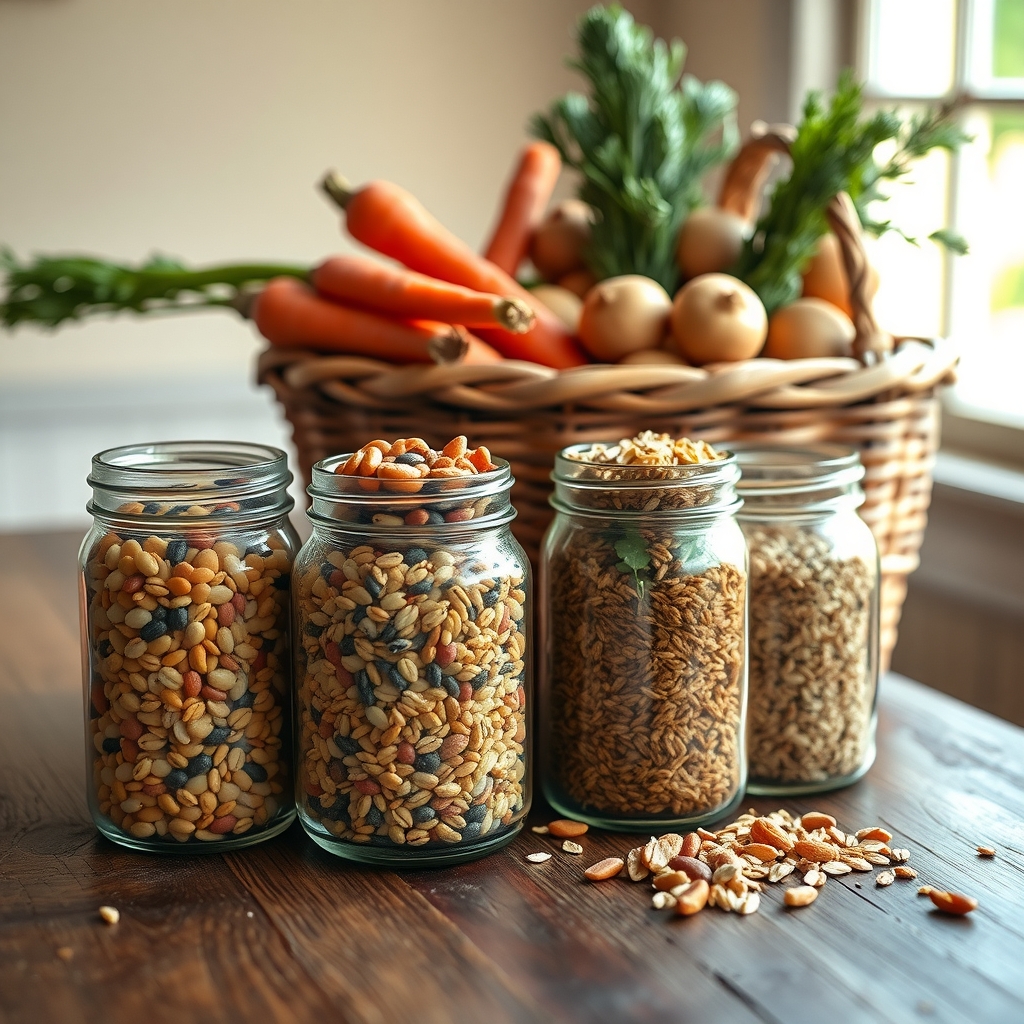
Eating well when money is tight often feels like a choice between nutrition and the rent, but it does not have to be. This guide is for anyone who opens the fridge wondering how to make a decent meal without resorting to instant noodles or expensive takeout — whether you are a student stretching a loan, a parent feeding a family on a single income, or someone simply trying to lower grocery bills while eating real food. It covers practical steps that work in a UK supermarket, a Philippine wet market, or a US discount aisle.
After reading, you will be able to:
- Calculate a weekly food budget that reflects what you actually spend, not what you hope to spend
- Plan meals around cheap staples like beans, oats, and seasonal vegetables so nothing goes to waste
- Shop smarter by comparing unit prices, choosing store brands, and using loyalty schemes
- Assemble healthy meals with little or no cooking when time and energy are low
- Adjust portions and ingredients to support weight goals without buying specialty products
These are habits you can start this week, using the kitchen and budget you already have.
Audit Your Spending and Set a Realistic Weekly Food Budget
Before you change a single grocery habit, you need a clear picture of where your money actually goes. For one week, track every food-related expense: the big weekly shop, the coffee on the way to work, the late-night delivery, the vending machine snacks. Use your banking app, a notes file, or a paper receipt jar — whatever you will actually stick with. Do not judge the numbers yet; just capture them.
At the end of the week, sort the list into categories: groceries, takeout or restaurants, work or school lunches, drinks and snacks, and alcohol if applicable. Many people find that 30 to 40 percent of their food spend sits outside the main grocery trip. That is your leverage point.
Next, set a realistic weekly grocery budget. A common starting framework many people find useful is the USDA "thrifty" or "low-cost" plan ranges for your household size, adjusted for your local prices. If you currently spend far above that, drop your target by 10 to 15 percent for the first month rather than slashing it in half. A budget you can actually hit builds momentum; an impossible one leads to a rebound splurge.
Build in a small buffer of five to ten dollars for price spikes or a forgotten ingredient so you do not have to raid the emergency fund or put dinner on a credit card. Decide on a tracking method for the month ahead: a spreadsheet, a budgeting app envelope, or cash in a physical envelope. Pick the one with the lowest friction for you.
If you overspend in week one, do not scrap the system. Review the receipts, spot the one or two decisions that pushed you over — usually an unplanned shop while hungry or a premium brand swap — and adjust for week two. The goal is a sustainable ceiling you can hit most weeks, not a perfect score every time.
Master Low-Cost Meal Planning With Batch Cooking and Leftovers
Start by picking two or three versatile proteins and a handful of vegetables that work across multiple cuisines. A pot of brown lentils, a tray of roasted carrots and onions, and a batch of brown rice can become burrito bowls on Monday, a stir-fry with soy sauce and frozen peas on Tuesday, and a hearty soup with canned tomatoes and stock on Wednesday. Cook the base ingredients in large quantities on a single afternoon, then portion them into containers so assembling a meal takes five minutes. Keep sauces and fresh toppings like herbs, lime, or yogurt separate until serving to prevent sogginess.
Treat leftovers as planned ingredients rather than afterthoughts. Extra roasted vegetables blend into frittatas or pasta sauce. Cooked grains turn into fried rice with an egg and whatever vegetables are wilting in the crisper. Shredded chicken or tofu stretches across tacos, salads, and grain bowls. Designate one "clean-out-the-fridge" night each week where the goal is to combine odds and ends into a frittata, soup, or sheet-pan hash. This habit alone can save a full grocery trip every month.
- Label containers with the date and contents using masking tape and a marker.
- Freeze portions you will not eat within four days; most cooked beans, grains, and sauces freeze well.
- Repurpose stale bread into breadcrumbs, croutons, or strata.
- Save vegetable trimmings and bones in a freezer bag for homemade stock.
If a batch tastes bland, adjust with acid (vinegar, citrus) or salt after reheating rather than during the big cook. If texture suffers — mushy rice, overcooked broccoli — fold the ingredient into a soup, casserole, or blended sauce where texture matters less. Many people find that building this rhythm takes two weeks; start with just one double-batch cook per weekend and expand from there.
Build a Pantry of Cheap Nutrient-Dense Staples Like Beans and Oats
A well-stocked pantry of inexpensive staples is the backbone of healthy budget eating. Start with dry beans and lentils; a one-pound bag costs little and yields six to eight cups cooked. Soak beans overnight to cut cooking time, or use a pressure cooker for unsoaked beans in about an hour. Cook a big batch, portion into containers, and freeze what you won't use in four days. Canned beans are fine when time is short — rinse them to remove excess sodium.
Whole oats are another powerhouse. Buy plain rolled or steel-cut oats in bulk bins or large canisters; avoid flavored packets loaded with sugar. Oats work for breakfast, but also stretch meatloaf, bind veggie burgers, or thicken soups. Brown rice, barley, and whole-wheat pasta round out the grain shelf. Store grains in airtight containers to keep pests out and freshness in.
Canned tomatoes, tomato paste, and low-sodium broth form the base for countless sauces and stews. Keep onions, garlic, potatoes, sweet potatoes, carrots, and cabbage on hand — they last weeks stored cool and dark. Frozen vegetables like spinach, peas, and mixed blends are flash-frozen at peak nutrition and often cheaper than fresh.
For protein, stock canned tuna, sardines, and eggs (which keep three to five weeks refrigerated). Peanut butter, sunflower seeds, and peanuts add healthy fats and calories. Dried herbs, spices, vinegar, soy sauce, and hot sauce make simple ingredients taste different every night.
- Dry beans and lentils (soak and batch-cook)
- Whole oats, brown rice, barley, whole-wheat pasta
- Canned tomatoes, tomato paste, low-sodium broth
- Long-keeping produce: onions, garlic, potatoes, cabbage, carrots
- Frozen vegetables: spinach, peas, mixed blends
- Canned fish, eggs, peanut butter, seeds, nuts
- Basic seasonings: dried herbs, spices, vinegar, soy sauce
If a staple goes stale or infested, toss it and clean the shelf — don't risk foodborne illness. Many people find rotating stock using a "first in, first out" system prevents waste. Check with a doctor if you have specific dietary restrictions like sodium limits or legume intolerances.
Shop Smart: Compare Unit Prices, Buy Generic, and Use Loyalty Apps
Start at the shelf tag, not the front of the package. The unit price — usually printed in small type showing cost per ounce, pound, or 100 grams — lets you compare different sizes and brands on equal footing. A larger bag of rice or frozen vegetables often costs less per unit, but only if you will use it before it spoils. Calculate the price per serving for the meals you actually make; a cheaper cost per pound means nothing if half the bag goes stale.
Store brands are formulated to match name-brand specs for basics like canned tomatoes, rolled oats, dried beans, and frozen fruit. Read the ingredient list: if the first three items are identical, the nutrition is nearly the same. Many people find the flavor difference negligible once the food is seasoned and cooked into a dish. Keep a small notebook or phone note of the few items where you genuinely prefer the name brand; buy generic for everything else.
Loyalty apps and digital coupons work best when you clip offers before you shop and stick to your list. Set a reminder to check the app while you write your meal plan, not while standing in the aisle. Some stores load personalized discounts automatically after a few trips; others require manual selection each week. Stack a store coupon with a manufacturer coupon when the system allows it.
- Compare unit prices on every packaged item, even sale tags.
- Buy generic for pantry staples: beans, oats, rice, canned vegetables, spices.
- Clip digital coupons only for items already on your list.
- Shop the perimeter first for produce, then hit the center aisles with a strict list.
- If a deal tempts you off-list, put it in the cart, walk two aisles, and decide if it fits this week’s meals.
If you want this in more depth, our book Maintaining Cognitive Health: Practical Strategies for Brain Function and Memory Support covers it step by step.
Healthy No-Cook and Minimal-Prep Meals for Busy Schedules
When cooking feels impossible, you can still eat well with almost no heat. Start by keeping a few reliable no-cook proteins on hand: canned tuna, salmon, sardines, chicken, or beans (rinsed well); hard-boiled eggs prepared once for the week; rotisserie chicken pulled into containers; Greek yogurt or cottage cheese; and shelf-stable tofu or tempeh that only needs a quick microwave steam. Pair these with pre-washed greens, bagged shredded cabbage, baby carrots, cherry tomatoes, cucumber slices, or thawed frozen peas and corn. Healthy fats come from a handful of nuts or seeds, a spoonful of peanut butter, a quarter avocado, or a drizzle of olive oil and vinegar.
Assemble meals in wide-mouth jars or divided containers so they stay fresh for days. A Mediterranean jar might layer hummus, chickpeas, diced cucumber, tomato, olives, feta, and parsley with lemon juice on top. A Mexican bowl combines black beans, corn, salsa, shredded cheese, and a dollop of yogurt over microwavable rice or quinoa pouches. For breakfast, soak rolled oats overnight with milk or a plant alternative, chia seeds, cinnamon, and frozen berries — grab and go in the morning.
- Keep a "snack box" in the fridge: boiled eggs, cheese sticks, cut veggies, fruit, nut butter packets.
- Use pre-cooked grain pouches (90 seconds in the microwave) as a warm base for cold toppings.
- Rotisserie chicken + bagged salad kit + canned beans = three different lunches in five minutes.
- When produce looks tired, blend it into a smoothie with yogurt and oats instead of tossing it.
If you have a kettle or microwave, you can also "cook" couscous, instant rice, or quick oats with just hot water. Many people find this approach keeps them fed and nourished during exam weeks, night shifts, or caregiving stretches without resorting to drive-thru meals.
Tailored Strategies for Students, UK Shoppers, and Philippine Markets
If you are a student, focus on equipment-free meals and shared costs. A rice cooker or electric kettle handles oats, rice, steamed vegetables, and hard-boiled eggs without a stove. Split bulk purchases of chicken thighs, frozen vegetables, or large yogurt tubs with flatmates to lower the per-person price. Cook a big pot of chili or lentil stew on Sunday; portion it into containers for grab-and-go lunches that beat any meal deal. Keep peanut butter, canned tuna, and whole fruit in your bag for snacks between classes. If campus microwaves are busy, a wide-mouth thermos pre-filled with boiling water keeps leftovers hot until lunchtime.
For UK shoppers, lean into the "reduced" aisle timing. Most supermarkets mark down short-dated items between 6 pm and 8 pm; freeze meat and bread immediately. Own-brand tinned tomatoes, kidney beans, and porridge oats often cost under 50p and match branded nutrition. Use the Too Good To Go app for bakery and grocery surprise bags at roughly one-third retail price. Loyalty cards like Tesco Clubcard or Nectar unlock member-only prices on frozen berries, mixed veg, and eggs. Batch-cook shepherd’s pie or curry using 20% fat mince stretched with lentils; the fat renders out during cooking, leaving flavor without extra cost.
In Philippine markets, buy protein at the wet market early for the best price on tilapia, bangus, or pork shoulder. Ask vendors for "pang-gisa" cuts — trimmings ideal for soups and stir-fries. Stretch meat with sayote, upo, kalabasa, or kangkong, which stay cheap year-round. A kilo of local rice paired with monggo or ginisang sardinas feeds a family for days. Use a rice cooker’s steam tray for fish and veg while rice cooks below, saving gas. Patis and calamansi replace expensive sauces. If refrigeration is limited, cook only what you’ll eat today and rely on shelf-stable tuyo, eggs, and root crops like kamote.
Align Budget Eating With Weight Loss Using Volume Foods and Protein
Filling half your plate with low-calorie vegetables like cabbage, carrots, zucchini, spinach, or frozen mixed veg adds physical volume and fiber without adding much cost. Many people find this naturally reduces how much of the pricier items — meat, cheese, grains — they eat in a sitting. Roast a tray of seasonal vegetables with a little oil and salt, or stir handfuls of frozen spinach into soups, dals, and pasta sauces right at the end. A big bag of frozen vegetables is often cheaper per serving than fresh and keeps for months.
Anchor each meal around a solid protein source to protect muscle and manage hunger. Eggs, canned tuna, chicken thighs, pork shoulder, tofu, tempeh, dried lentils, and split peas all deliver high protein per dollar. Cook a batch of lentils or beans on Sunday; portion them into containers with different spices — cumin-lime, tomato-garlic, curry powder — so the base stays cheap but the flavor rotates. If you eat meat, stretch 500 grams of mince with a cup of cooked lentils or grated carrot in bolognese, chili, or tacos; the dish still tastes meaty but costs less and adds fiber.
Liquid calories from soda, juice, sweetened coffee, or alcohol add up fast in both money and energy. Switch to tap water, sparkling water with a squeeze of citrus, or unsweetened tea. If you snack, portion nuts, seeds, or cheese into small containers instead of eating from the bag; a 30-gram serving satisfies without the easy overpour.
- Build meals: veg volume + protein anchor + modest carb + flavor (herbs, vinegar, chili, garlic).
- Prep protein in batches; vary only the seasoning.
- Drink water first when hunger hits; wait ten minutes before deciding to eat.
- Track weight and how clothes fit weekly, not daily; adjust portions up or down by a spoonful at a time.
- If you have health conditions or take medication, check with a doctor before making big changes to protein or fiber intake.
Putting It Together
Start Sunday by reviewing what you already have in the fridge, freezer, and cupboards. Write down three dinners you can make from those ingredients, then add two breakfasts and two lunches that use overlapping items — oats with peanut butter, eggs with frozen spinach, rice and beans with whatever vegetables are on hand. Shop once with a list built from those meals, sticking to generic brands and unit-price comparisons. When you get home, wash and chop sturdy vegetables, cook a big pot of beans or lentils, and portion snacks like nuts or yogurt into containers. Monday through Wednesday, follow the plan exactly. Thursday and Friday, remix leftovers into wraps, fried rice, or frittatas. Saturday, use odds and ends for a "clear the fridge" soup or stir-fry. Sunday, repeat the cycle.
- Check inventory before listing meals
- Cook one batch of beans or grains for the week
- Prep vegetables once, use all week
- Repurpose leftovers creatively midweek
- Adjust portions if hunger or energy dips
If a meal flops or schedules shift, swap in a no-cook fallback like canned fish on toast or hummus with raw vegetables. Many people find the rhythm settles after two weeks. Check with a doctor before making major dietary changes if you have health conditions.
More from the blog
- How to Meal Prep for the Week Using Simple Pantry Staples
- How to Build a Balanced Breakfast Bowl Using Oats, Yogurt, and Seasonal Fruit
- How to Build a Balanced Snack Plate Using Protein, Fiber, and Healthy Fats
From FitLife Solutions
Our book Maintaining Cognitive Health: Practical Strategies for Brain Function and Memory Support goes further, as a digital eBook (PDF and EPUB) you can read on any device.
Browse all our practical health and fitness guides at fitlifesolutions.site.
New practical health guides and articles on WhatsApp: follow our channel.
This article is for general information only and is not a substitute for professional medical advice. Talk to your doctor or another qualified health professional before changing your diet, exercise or health routine, especially if you have a medical condition or take medication.