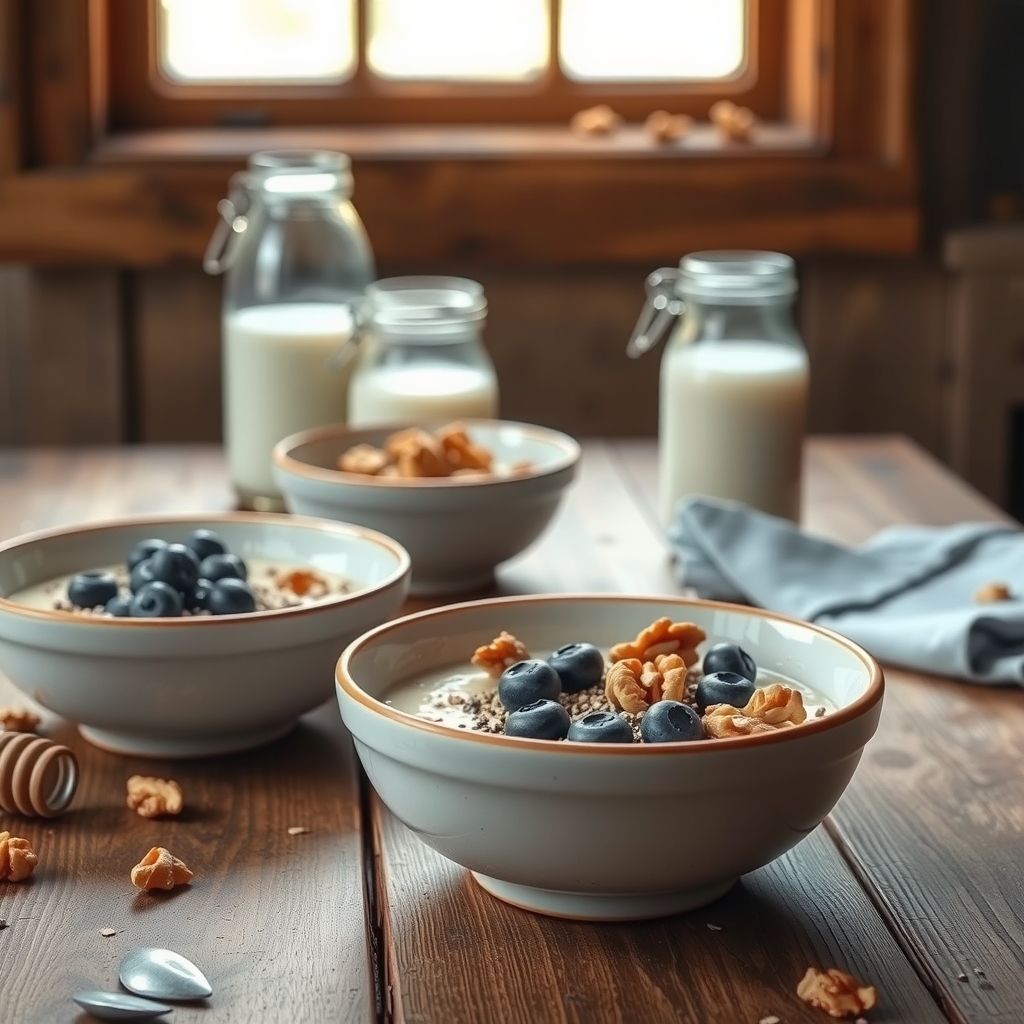
Whether you avoid eggs because of an allergy, a dietary preference, or simply because you ran out, mornings can feel limited when the standard scramble is off the table. This guide is for anyone who wants a satisfying, protein-focused start to the day using ingredients already sitting in the pantry, fridge, or freezer — no specialty powders or complicated techniques required.
You will find meals that come together in minutes without turning on the stove, smoothies built to hit 20 grams of protein using whole foods, savory plates that swap grains for vegetables and legumes, and low-carb, high-fat options that keep energy steady. There are naturally sweetened porridges and chia puddings with zero added sugar, batch-prep jars for busy weeks, and global-inspired dishes that bring variety beyond the usual rotation.
- Build balanced breakfasts without eggs, dairy, grains, or added sugar
- Hit protein targets using beans, tofu, seeds, yogurt, or fish
- Prep components once and eat all week
- Adapt every recipe to what is seasonal, on sale, or already open
If you have specific medical nutrition needs, check with a doctor or registered dietitian before making major changes.
5 No-Cook Breakfast Bowls Ready in Under 5 Minutes
Greek yogurt or unsweetened soy yogurt forms the quickest base — scoop three quarters of a cup into a bowl and you already have 15 to 20 grams of protein before adding anything else. Stir in a tablespoon of hemp hearts or chia seeds for extra staying power, then top with a handful of berries, a few pumpkin seeds, and a drizzle of nut butter. If the yogurt tastes too tart, mash half a ripe banana into it first; the natural sweetness balances the flavor without added sugar.
Cottage cheese works the same way and often packs even more protein per cup. Spoon it into a bowl, season with black pepper and a pinch of flaky salt, then layer cucumber ribbons, cherry tomato halves, and a spoonful of canned white beans rinsed and drained. A splash of olive oil and lemon juice ties it together. For a sweeter version, swap the vegetables for diced peach, toasted almond slivers, and a sprinkle of cinnamon.
Overnight oats technically need a few hours, but a "five-minute cheat" works when you use quick oats: combine half a cup oats, half a cup milk or soy milk, a tablespoon chia, and a dash of vanilla in a jar. Let it sit while you make coffee — the oats soften enough to eat. Stir in peanut butter and frozen wild blueberries that thaw into a jammy swirl.
Leftover quinoa or farro from dinner becomes a savory bowl in seconds. Toss cold grains with canned lentils, arugula, avocado cubes, and a tahini-lemon dressing thinned with water. The grain absorbs the dressing as you eat.
- Greek yogurt + hemp hearts + berries + nut butter
- Cottage cheese + white beans + cucumber + tomato + olive oil
- Quick oats + chia + soy milk + peanut butter + frozen berries
- Cold quinoa + lentils + arugula + avocado + tahini dressing
- Silken tofu cubes + edamame + shredded carrot + sesame-ginger drizzle
If a bowl feels too wet, add more seeds or nuts to absorb moisture. If it needs salt, a pinch of miso paste blended into the dressing adds depth without a shaker. Many people find these combinations keep them full until lunch, but check with a doctor if you have specific protein or potassium restrictions.
Dairy-Free & Egg-Free Smoothie Formulas With 20g+ Protein
Building a smoothie that delivers 20 grams of protein without dairy or eggs starts with a simple ratio: one cup liquid, one cup frozen fruit or vegetable, two tablespoons fat source, and a protein anchor. Unsweetened soy milk or pea-protein milk gives 7 to 8 grams per cup and blends neutrally. If you prefer nut or oat milk, add a scoop of unflavored pea or pumpkin seed protein powder, which contributes 15 to 20 grams per serving and dissolves without grittiness when blended for a full minute.
For the fat slot, two tablespoons of hemp hearts add 6 grams of protein plus omega-3s, while the same amount of almond butter adds 4 grams and creaminess. Chia seeds work too; soak them in the liquid for five minutes first so they gel and don’t clump. Frozen cauliflower rice or zucchini bulks the texture without flavor and keeps sugar low. A handful of spinach disappears visually but boosts minerals.
Blend liquid and greens first, then add frozen fruit, protein powder, fat source, and a pinch of salt. If the motor strains, pause and stir with a spatula rather than adding more liquid — this keeps the texture thick enough to eat with a spoon. Many people find a wide-mouth jar and immersion blender easier to clean than a full pitcher.
- Soy milk + frozen berries + hemp hearts + pea protein
- Pea milk + mango + pumpkin seed butter + chia (pre-soaked)
- Oat milk + cauliflower rice + almond butter + unflavored pumpkin seed protein
If separation happens overnight, shake hard or re-blend for ten seconds. Check with a doctor if you have kidney concerns before using high daily protein powders.
Grain-Free Savory Breakfast Plates Using Vegetables & Legumes
Build a satisfying savory plate by starting with a warm vegetable base. Sauté diced onion, bell pepper, and zucchini in a tablespoon of olive oil until softened, then stir in a cup of canned black beans or chickpeas (rinsed well) and a handful of baby spinach until wilted. Season generously with cumin, smoked paprika, garlic powder, and a pinch of salt. This combination delivers fiber and plant protein without any grains. If the beans taste flat, finish with a squeeze of fresh lemon juice or a splash of apple cider vinegar to brighten the flavors.
For a creamier element, mash half an avocado directly on the plate and stir it into the warm vegetables, or dollop a few spoonfuls of unsweetened coconut yogurt on the side. A sprinkle of nutritional yeast adds a cheesy, umami depth and a boost of B vitamins. If you tolerate dairy, a spoonful of cottage cheese or a crumble of feta works equally well. Many people find that adding a fermented element like sauerkraut or kimchi helps digestion and adds a tangy contrast to the earthy beans.
- Use a cast-iron skillet for even heat and easy cleanup.
- Pre-chop vegetables on Sunday; store in airtight containers for three-day speed.
- If beans cause bloating, rinse them until the foam disappears and add a strip of kombu seaweed while reheating (remove before eating).
- Swap spinach for kale or arugula; add them at the very end so they keep texture.
- Top with pumpkin seeds or hemp hearts for crunch and extra minerals.
When mornings are tight, reheat a batch of the bean-vegetable mix in the microwave for ninety seconds while you toast a slice of grain-free bread or slice cucumber ribbons for a fresh side. Check with a doctor if you have specific legume sensitivities or potassium restrictions.
Low-Carb High-Fat Breakfasts Without Eggs or Bread
Building a satisfying low-carb, high-fat breakfast without eggs or bread comes down to layering fats that keep you full and flavors that wake up the palate. Start with a base of creamy avocado — half a fruit sliced or smashed with salt, lemon, and a drizzle of olive oil. Add a generous spoonful of full-fat Greek yogurt, cottage cheese, or a thick coconut yogurt for tang and protein. Top with crushed macadamias, walnuts, or pili nuts for crunch and monounsaturated fats. A handful of olives, a few slices of smoked salmon, or a sprinkle of hemp hearts rounds out the plate with salt and texture.
If you prefer something warm, sauté a cup of spinach or kale in ghee or coconut oil until wilted, then stir in a tablespoon of cream cheese or tahini until it forms a rich sauce. Slide onto a plate and crown with pumpkin seeds and a dash of smoked paprika. Another quick route: blend a "keto latte" with unsweetened almond milk, a teaspoon of MCT oil or coconut butter, a pinch of cinnamon, and a scoop of unflavored collagen or pea protein; sip alongside a small cheese board of aged cheddar, blue cheese, and cucumber spears.
- Keep pre-portioned nut bags and single-serve olive packs in the pantry for zero-prep mornings.
- If dairy disagrees with you, swap yogurt for silken tofu blended with lemon and herbs, or use extra avocado and nut butter.
- When the meal feels too light, add a tablespoon of chia seeds soaked in water for five minutes; they expand and add fiber without spiking carbs.
- If you’re new to high-fat eating, increase portions gradually — some people find a sudden jump causes digestive discomfort.
Naturally Sweetened Porridges & Chia Puddings Zero Added Sugar
Overnight oats and chia puddings are the easiest way to get a sweet, filling breakfast without any added sugar. The trick is layering naturally sweet ingredients so the flavor builds while the grains or seeds soften. Start with a base of rolled oats or chia seeds, cover with unsweetened plant milk or dairy milk, and stir in a mashed ripe banana or a few chopped dates. Let the mixture sit in the fridge for at least four hours, or overnight. The starches break down and the fruit sugars disperse, creating a creamy texture that tastes like dessert but keeps blood sugar steadier than a syrupy packet.
For a warm porridge, simmer steel-cut oats, millet, or quinoa flakes in water or milk. Grate an apple or pear directly into the pot during the last five minutes; the fruit melts into the grains and releases enough sweetness that most people skip the honey entirely. A pinch of cinnamon, nutmeg, or cardamom amplifies the perception of sweetness without adding calories. If the porridge gets too thick, splash in extra liquid. If it turns out runny, stir in a tablespoon of ground flax or chia and let it sit off heat for two minutes.
Chia pudding ratios matter: three tablespoons of seeds to one cup of liquid yields a spoonable set. Whisk vigorously at the start and again after ten minutes to prevent clumps. Flavor variations:
- Mashed raspberries + cocoa nibs + vanilla extract
- Stewed rhubarb with ginger + toasted almonds
- Pumpkin puree + maple-spice blend (cinnamon, clove, allspice) + pecans
Top with fresh berries, a dollop of yogurt, or a spoonful of nut butter right before eating. Jars keep five days in the fridge, making them ideal for batch prep.
Batch-Prep Breakfast Jars for Grab-and-Go Mornings
Batch-prep jars turn chaotic mornings into something you can manage while still half asleep. The key is building layers that hold texture overnight: dense, moist ingredients at the bottom, drier toppings at the top. Start with a wide-mouth pint jar. Spoon in two tablespoons of chia seeds, then pour three-quarters cup of unsweetened soy milk or pea-protein milk and stir well; this base sets into a thick pudding that delivers around ten grams of protein before you add anything else. Next, add a half cup of cooked quinoa or steel-cut oats cooled to room temperature — hot grains create condensation that makes everything soggy. Layer a third cup of cottage cheese or plain soy yogurt for another ten to twelve grams of protein, then a handful of frozen berries; they thaw slowly and keep the jar cool. Seal and refrigerate up to four days.
- Chia + high-protein milk + quinoa + soy yogurt + berries
- Hemp hearts + oat milk + buckwheat groats + silken tofu blended smooth + diced mango
- Ground flax + almond milk + millet + kefir + sliced peach
If the pudding feels too stiff, stir in a splash more milk before eating. If fruit leaks color into the yogurt, that’s harmless — just less pretty. For nut-free schools, swap almond milk for oat or soy and skip the nut butter drizzle. Jars travel upright in a lunch bag with an ice pack; many people find they stay safe and palatable for a four-hour commute. If you have specific blood-sugar or allergy concerns, check with a doctor or dietitian before relying on any single formula daily.
Global-Inspired Egg-Free Breakfasts From Shakshuka Alternatives to Congee
Global flavors solve the "what else is there?" problem fast. A North African shakshuka base — tomatoes, peppers, onion, cumin, smoked paprika simmered until thick — works beautifully without eggs. Stir in a can of white beans or chickpeas for protein, finish with a spoonful of tahini and chopped parsley, and scoop with roasted sweet potato wedges or seed crackers. The sauce keeps four days refrigerated and freezes for a month.
For a Japanese-style savory bowl, warm leftover rice or quinoa with a splash of tamari, then top with quick-pickled cucumber (rice vinegar, pinch of salt, five minutes), steamed edamame, nori strips, sesame seeds, and a drizzle of tahini-thinned miso. Add fermented vegetables if you have them; they support digestion for many people.
Mexican chilaquiles skip the fried tortillas by using baked corn tortilla triangles tossed in simmered salsa verde until just softened. Mix in black beans, diced avocado, radish, and a dollop of coconut yogurt or cashew crema. The crunch-soft contrast feels indulgent without heaviness.
Indian besan chilla (chickpea flour crepes) come together in one bowl: whisk besan, water, turmeric, cumin, minced ginger, and chopped spinach into a pourable batter. Cook in a hot nonstick pan until set, flip once. Fill with spiced cauliflower-pea mash or herbed tofu scramble. Batter rests well overnight — stir before using.
Chinese congee scales easily. Simmer one part rice to eight parts water or broth with ginger slices until creamy, thirty to forty minutes. Stir in shredded mushrooms, bok choy, and white pepper. Top with scallions, toasted sesame oil, and crispy shallots. Leftovers thicken; thin with hot liquid when reheating.
Troubleshooting: if shakshuka sauce tastes flat, add lemon zest or a pinch of sumac at the end. Congee too thin? Mash a few grains against the pot. Chilla tearing? Batter likely too thin — whisk in a tablespoon more besan. Check with a doctor if you manage sodium or potassium closely.
Putting It Together
Start by picking two recipes from this article that fit your schedule and taste. Shop for those ingredients this weekend — canned beans, frozen berries, chia seeds, nuts, plant milk, and seasonal vegetables keep well and cover most bases. Spend twenty minutes on Sunday prepping one batch item: a jar of chia pudding, a container of roasted chickpeas, or a blended smoothie base frozen in portions. That single step removes the morning decision.
Monday through Wednesday, rotate your two chosen breakfasts. Keep it simple — no need to vary daily. Notice how you feel by mid-morning: energy, hunger, digestion. Adjust portion sizes or swap a topping if something feels off. Thursday and Friday, introduce a third recipe using leftovers or pantry staples you already opened. Weekend mornings allow more time; try a warm grain-free plate or a global-inspired bowl.
- Choose two recipes, shop once, prep one batch item Sunday
- Rotate those two Monday–Wednesday, observe how you feel
- Add a third option Thursday–Friday using open ingredients
- Use weekends for variety or leftovers
- Keep a small notebook or phone note for what worked
If a recipe flops — too bland, too runny, not filling — tweak one thing next time: more salt, less liquid, extra nuts. Many people find consistency easier than perfection. Check with a doctor if you have specific dietary needs or health conditions before making major changes.
More from the blog
- How to Pack Nutritious Work Lunches Without a Microwave, Fridge, or Cooking
- How to Cook for One Without Food Waste
- How to Build a Balanced Breakfast Bowl Using Oats, Yogurt, and Seasonal Fruit
From FitLife Solutions
Browse all our practical health and fitness guides at fitlifesolutions.site.
New practical health guides and articles on WhatsApp: follow our channel.
This article is for general information only and is not a substitute for professional medical advice. Talk to your doctor or another qualified health professional before changing your diet, exercise or health routine, especially if you have a medical condition or take medication.