You open the fridge, scan the shelves, close the door, and find yourself back there three minutes later. The hunger is not in your stomach; it is in the pause between tasks, the lull in a meeting, the hour before bed when your brain wants a dopamine hit instead of rest. This article is for anyone who uses food to fill time, soothe anxiety, or avoid a difficult task, and who wants a practical way to interrupt that loop without relying on willpower alone.
After reading, you will be able to:
- Distinguish physical hunger from the urge to eat driven by boredom, stress, or habit
- Build a five-second pause ritual that creates space for a conscious choice
- Stock and arrange your kitchen so the easiest option is a nourishing one
- Choose a pre-workout snack that supports performance instead of mindless grazing
- Navigate a restaurant menu with a simple framework that keeps your goals intact
You do not need a perfect plan. You need a reliable process you can use in the moments that matter most.
Decoding the Urge: Why You're Searching for Food When Not Hungry
The urge to eat when you are not physically hungry often feels automatic, but it usually follows a predictable sequence: a trigger appears, a craving spikes, and you reach for food before noticing the gap between them. Boredom is one of the most common triggers because it creates a vacuum of stimulation. Your brain, seeking dopamine or a break from monotony, identifies eating as an accessible, reliable activity. It is not a character flaw; it is a learned loop where food becomes entertainment, comfort, or a way to transition between tasks.
Start by naming the specific sensation you feel before opening the fridge. Is it a restless need to move? A foggy brain avoiding a difficult email? Loneliness masquerading as hunger? Many people find it helpful to run a quick internal check using the HALT framework: – Hungry: physical signs like a growling stomach or low energy – Angry or Anxious: tension in the jaw, racing thoughts – Lonely: a desire for connection or background noise – Tired: heavy eyelids, difficulty focusing
If the answer is not physical hunger, the craving will often fade if you insert a deliberate pause. Try drinking a glass of water, stepping outside for two minutes, or stretching your arms overhead. These actions disrupt the dopamine prediction error that drives the automatic reach. If the urge persists after ten minutes, eat something nourishing without guilt. The goal is not perfect restraint but building awareness so the choice becomes conscious rather than reflexive.
The 'Eat Out the Box' Trap: Replacing Processed Convenience with Real Nourishment
The phrase "eating out of the box" captures a specific modern trap: reaching for a package because it requires zero decisions. A sleeve of crackers, a frozen entrée, or a granola bar fills the silence of a dull afternoon with crunch and salt, but the satisfaction vanishes fast. These foods are engineered to bypass fullness signals — low fiber, high flavor intensity, easy to overeat before your brain catches up. The result is often a vague discomfort, not nourishment, and the boredom remains.
Swapping processed convenience for real food does not mean cooking from scratch every time. It means building a "real food convenience layer" so the easy choice is also a nourishing one. Wash and cut vegetables the moment you unpack groceries; store them at eye level in clear containers. Cook a double batch of grains or roasted vegetables on Sunday. Keep boiled eggs, individual nut packets, plain yogurt, and fruit where you see them first. When the urge hits, the path of least resistance leads to something your body can actually use.
- Pre-portion cheese cubes with whole-grain crackers instead of opening a family-size box.
- Blend a smoothie bag (greens, frozen fruit, seeds) and freeze; dump in liquid and blend in 30 seconds.
- Stock canned beans, tuna, and pre-washed greens for a five-minute bowl with olive oil and lemon.
If you slip and finish a box of something ultra-processed, treat it as data, not failure. Notice what preceded it — fatigue, a difficult task, screen time — and adjust the environment for next time. Many people find that simply removing the most tempting boxes from the house, or moving them to a high shelf in opaque containers, reduces mindless grazing without relying on willpower. If digestive issues or blood-sugar concerns arise, check with a doctor or registered dietitian before making major changes.
Building a Pause Practice: Micro-Habits That Break the Boredom-Eating Cycle
The urge to eat from boredom often moves faster than thought. A micro-habit inserts a deliberate gap between the impulse and the action, giving your brain a chance to catch up. Start with the "Three-Breath Reset." When you notice yourself drifting toward the kitchen, stop where you are. Plant your feet, exhale fully through your mouth, then inhale slowly through your nose for a count of four. Hold for two, exhale for six. Repeat three times. This physiological signal shifts you out of autopilot without requiring willpower.
Next, add a physical "pattern interrupt" that changes your sensory input. Keep a glass water bottle or a textured stress stone on the counter — not in a drawer. Pick it up, feel the temperature or weight, and name three things you see in the room. This grounds you in the present moment and disrupts the dopamine-seeking loop.
If the urge persists after the pause, use a pre-decided "redirect menu" posted inside a cabinet door. List five non-food actions that take under five minutes: stretch your arms overhead, text a friend, water a plant, write one sentence in a journal, or step outside for fresh air. Choose one and do it immediately. The goal is not to never eat but to make the choice conscious.
When you slip — and you will — treat it as data, not failure. Note the time, the trigger, and which micro-habit you skipped. Many people find that reviewing these notes weekly reveals patterns they can adjust, such as moving the fruit bowl to eye level or setting a calendar reminder for the Three-Breath Reset during known low-energy hours.
Designing Your Kitchen Environment for Intentional Choices
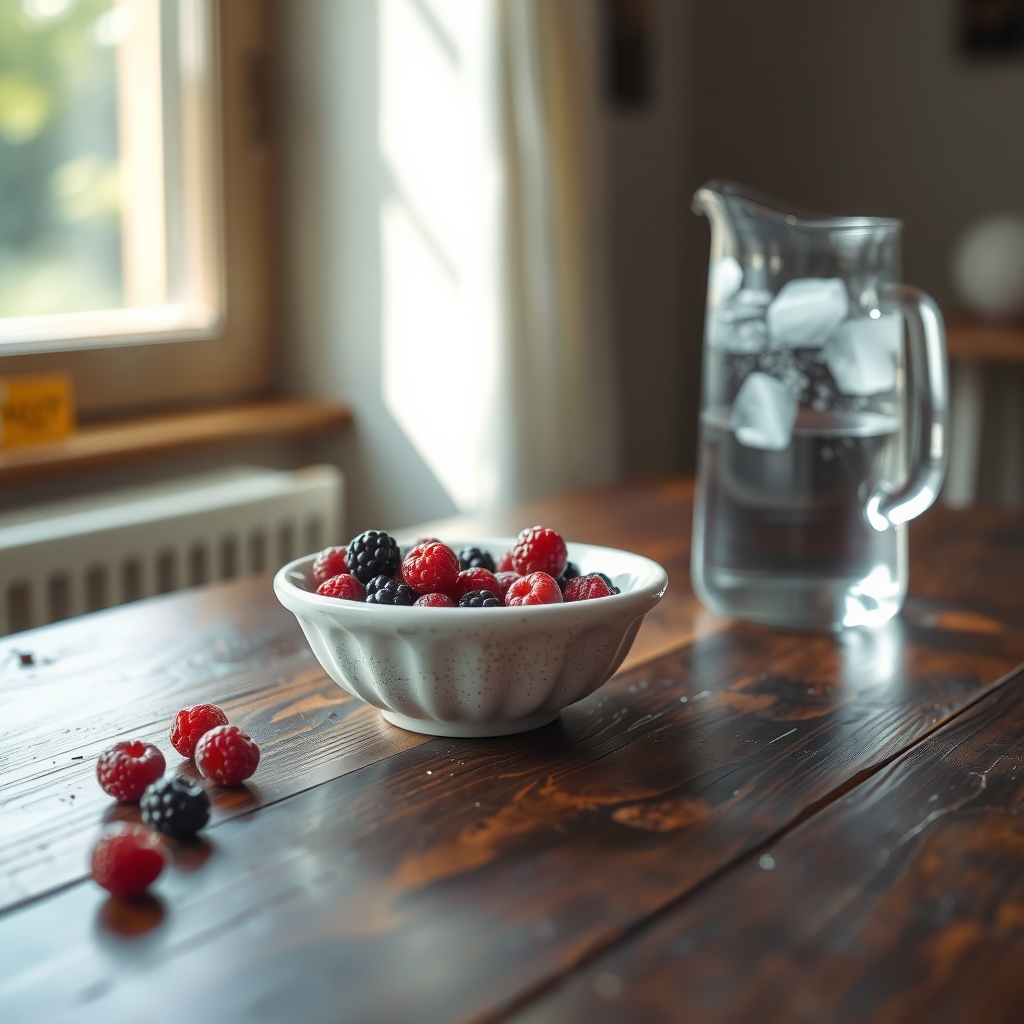
The layout of your kitchen shapes decisions before you even realize you are making them. Start by editing what lives on the counter. Move the cookie jar, cereal boxes, and snack bags into a high cabinet or opaque container; place a bowl of washed fruit, a jar of raw nuts, or pre-cut vegetables at eye level instead. When the first thing you see requires zero prep, it becomes the default reach.
Inside the fridge, use clear bins to group ready-to-eat components: boiled eggs, hummus, cheese sticks, roasted chickpeas, sliced cucumber. Label one bin "grab first" so the choice is visible when you open the door tired or distracted. Keep a pitcher of water with lemon or cucumber front and center; thirst often masquerades as hunger.
Create a small "pause station" near the fridge — a notepad and pen or a magnetic whiteboard. Before you take anything, jot the time and a one-word note: bored, stressed, hungry, procrastinating. The ten-second act builds awareness without judgment.
- Store trigger foods in the least accessible spot: top shelf, back of pantry, or a container that requires a step stool.
- Pre-portion nuts, trail mix, or popcorn into single-serve bags so you decide the amount once, not every handful.
- Keep a "meal starter" shelf with canned beans, tuna, whole-grain tortillas, and frozen veg so a real meal is as fast as a boxed one.
- Rotate seasonal produce weekly; variety reduces the pull of novelty snacks.
If you share the kitchen, agree on a "communal treat drawer" separate from daily fuel. You still enjoy favorites, but they live in a deliberate place, not the path of least resistance.
If you want this in more depth, our book Freezer Recipes: Healthy Make-Ahead Meals for Busy Weeks covers it step by step.
Strategic Pre-Workout Nutrition: Fueling Performance Instead of Filling Time
Eating before a workout often becomes a default activity when you have a gap in your schedule, not because your body needs fuel. If you finished lunch two hours ago and feel restless at 4 p.m., a banana or protein bar can feel productive, but it may just be a way to occupy your hands. Before you eat, ask: when did I last eat, and does my stomach feel hollow or tight? If the answer is "recently" and "neither," you are likely solving boredom, not hunger.
For sessions under 60 minutes at moderate intensity, many people perform well with nothing extra if they ate a balanced meal within the last three to four hours. If that window is longer, or the work is hard intervals or heavy lifting, a small carb-focused snack 30 to 60 minutes beforehand can help maintain output. Think half a bagel with a thin smear of peanut butter, a small applesauce pouch, or a handful of pretzels with a few ounces of water. Keep fat and fiber low to avoid gut discomfort.
Hydration often masquerades as hunger. Drink 8 to 12 ounces of water first, wait ten minutes, then reassess. If you still feel low energy, eat the planned snack. If the urge fades, you were likely thirsty or bored.
- Time your last real meal: aim for three to four hours pre-workout.
- Choose simple carbs, low fat, low fiber if you need a top-up.
- Drink water first; pause before you chew.
- Skip the snack entirely if you ate recently and feel fine.
If you have blood sugar concerns or digestive issues, check with a doctor or dietitian to tailor timing and portions.
Mastering Restaurant Menus: A Framework for Confident Dining Out
Dining out doesn't have to derail your intention to eat mindfully. Before you arrive, take two minutes to look at the menu online. Pick one or two dishes that look satisfying and generally align with how you want to feel afterward. This prevents the rushed, hungry scramble at the table where the loudest craving usually wins.
When you sit down, order a glass of water first. Thirst often masquerades as hunger, and sipping water gives your nervous system a moment to settle. Scan the menu for keywords that signal preparation methods: grilled, roasted, steamed, baked, or raw. These typically use less added fat and sodium than crispy, breaded, smothered, or creamy options. Ask for sauces and dressings on the side so you control the amount.
Use a simple plate framework: aim for half vegetables, a quarter protein, and a quarter starch. If the entrée arrives with a mountain of fries and a sprinkle of greens, ask to double the vegetable side and halve the starch. Many restaurants accommodate this without charge.
- Put your fork down between bites and check in: am I still enjoying this, or just finishing it because it's there?
- Box up half the meal before you start if portions are large; this turns one dinner into two.
- Share a dessert or order a coffee if you want to linger without overeating.
If you overdo it, the next meal is simply a fresh chance to choose differently. No compensation needed.
Creating Your Personalized Decision Matrix for Every Eating Occasion
A decision matrix turns vague intentions into a repeatable process you can use in any setting. Start by drawing a simple grid on paper or in a notes app with four columns: Situation, Physical Cue, Emotional Cue, and Go-To Action. Fill in the rows for the eating occasions that trip you up most often — mid-afternoon at your desk, late-night scrolling, the drive-thru after a long shift, the appetizer basket at a restaurant.
For each row, define the physical cue honestly: stomach growling, energy dip, mouth watering at a smell. Then name the emotional cue: boredom, anxiety, celebration, social pressure. Your Go-To Action must be specific and doable in under two minutes. Examples:
- Desk slump + boredom → stand, drink a full glass of water, set a timer for ten minutes before deciding if you need a snack.
- Late-night TV + anxiety → brush teeth, log the feeling in one sentence, choose a non-food wind-down like stretching or a podcast.
- Drive-thru urge + fatigue → pull over, eat the pre-portioned nuts and fruit you keep in the glove box, then reassess.
- Bread basket + social pressure → place one piece on your plate, push the basket away, order a vegetable-based starter.
When the matrix fails — and it will — treat the slip as data, not defeat. Note which cue was misidentified or which action felt unrealistic. Adjust that single row next week. Many people find that reviewing the matrix every Sunday keeps it aligned with changing schedules and stress levels. If you have a medical condition that affects hunger cues or blood sugar, check with your doctor before relying on self-guided rules.
Putting It Together
Start by picking just one meal or snack window where boredom eating shows up most often. For many people, that’s the hour after dinner or the mid-afternoon slump at a desk. Keep a small notebook or a note on your phone for seven days. Each time you reach for food, jot down the time, what you’re feeling, and what you chose. You’re not grading yourself; you’re collecting data.
- Day 1–2: Observe only. No rules, just notes.
- Day 3: Add the 90-second pause before that target window. Drink a glass of water, stretch, or step outside.
- Day 4–5: Swap one default snack for a pre-portioned alternative you actually like — nuts, yogurt, fruit with peanut butter.
- Day 6: Use the decision matrix once for a real choice: hungry, bored, tired, or something else?
- Day 7: Review your notes. Look for patterns, not perfection.
If a day goes sideways, note what triggered it and move on. The goal is awareness, not a flawless week. Adjust one thing for week two based on what you learned. If you have a medical condition or take medication that affects appetite or blood sugar, check with your doctor before changing eating patterns.
More from the blog
- How to Stop Nighttime Snacking When You're Not Hungry
- How to Cook for One Without Food Waste
- How to Organize Your Fridge and Pantry to Reduce Food Waste
From FitLife Solutions
Our book Freezer Recipes: Healthy Make-Ahead Meals for Busy Weeks goes further, as a digital eBook (PDF and EPUB) you can read on any device.
Browse all our practical health and fitness guides at fitlifesolutions.site.
New practical health guides and articles on WhatsApp: follow our channel.
This article is for general information only and is not a substitute for professional medical advice. Talk to your doctor or another qualified health professional before changing your diet, exercise or health routine, especially if you have a medical condition or take medication.